


Hey there! I'm a supplier of polyacrylamide for industrial wastewater treatment. Today, I wanna chat about a hot topic: Can polyacrylamide be used in the treatment of industrial wastewater with high hardness?
First off, let's understand what high - hardness industrial wastewater is. High - hardness wastewater typically contains a large amount of calcium, magnesium, and other metal ions. These ions can cause all sorts of problems in industrial processes, like scaling in pipes and equipment, which reduces efficiency and can even lead to breakdowns. So, treating this kind of wastewater is super important.
Now, polyacrylamide (PAM) is a well - known polymer that has been widely used in wastewater treatment for a long time. It comes in different types, such as anionic, cationic, and Non - ionic Polyacrylamide. Each type has its own unique properties and applications.
The main function of polyacrylamide in wastewater treatment is flocculation. It can bind small suspended particles in the wastewater together, forming larger flocs. These flocs are easier to settle or filter out, which helps to clarify the water. But when it comes to high - hardness wastewater, there are some special considerations.
One of the concerns is the interaction between polyacrylamide and metal ions in the high - hardness wastewater. Metal ions like calcium and magnesium can react with the functional groups of polyacrylamide. For anionic polyacrylamide, the negatively charged functional groups can form complexes with positively charged metal ions. This might change the flocculation performance of the polyacrylamide. Sometimes, it can enhance the flocculation effect because the metal ions can act as cross - linking agents, promoting the formation of larger and stronger flocs. However, in some cases, excessive metal ions can cause the polyacrylamide to precipitate prematurely or reduce its solubility, which is not good for the treatment process.
Cationic polyacrylamide, on the other hand, has positively charged functional groups. In high - hardness wastewater, it may have less of a problem with metal ion complexation compared to anionic polyacrylamide. But it still needs to be carefully evaluated because the high concentration of other substances in the wastewater can also affect its performance.
Non - ionic Polyacrylamide is relatively less reactive with metal ions. It can be a good option in high - hardness wastewater treatment when the main goal is to achieve gentle flocculation without being overly affected by the metal ion content. It can still effectively bind suspended particles and help with the clarification of the water.
In addition to the type of polyacrylamide, the dosage is also crucial. In high - hardness wastewater, the optimal dosage of polyacrylamide may be different from that in normal wastewater. Too little polyacrylamide won't form effective flocs, while too much can lead to increased costs and may even cause secondary pollution. So, it's important to conduct small - scale tests to determine the right dosage for a specific high - hardness wastewater.
Another factor to consider is the pH value of the wastewater. The performance of polyacrylamide is highly pH - dependent. In high - hardness wastewater, the presence of metal ions can also affect the pH. For example, some metal hydroxides may precipitate at certain pH values, which can in turn influence the flocculation process. Therefore, adjusting the pH to an appropriate range is necessary to ensure the best performance of polyacrylamide.
Let's take a look at some real - world applications. In the papermaking industry, Polyacrylamide for Papermaking is often used to treat the wastewater. Papermaking wastewater can have high hardness due to the use of various chemicals and raw materials. Polyacrylamide helps to remove the suspended fibers and other impurities in the wastewater. By carefully selecting the type and dosage of polyacrylamide, the treatment efficiency can be significantly improved, and the quality of the recycled water can meet the requirements for reuse in the papermaking process.

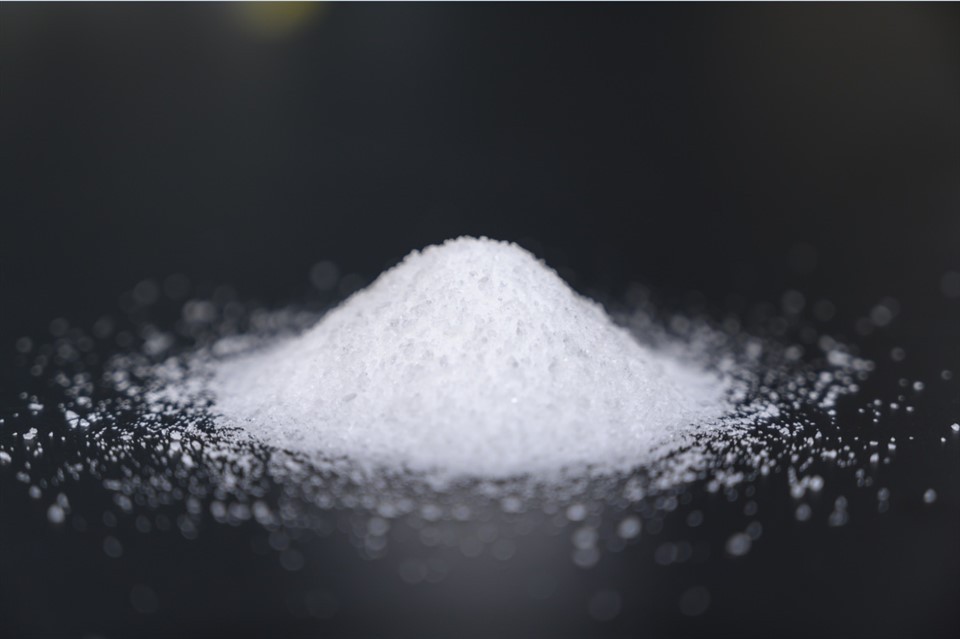
In the oil field, Polyacrylamide for Oil Field Displacing Agent is used not only for oil displacement but also for wastewater treatment. Oil field wastewater usually has high hardness and complex compositions. Polyacrylamide can be used to separate the oil from the water and remove the suspended solids. However, due to the high - hardness nature of the wastewater, continuous research and optimization are needed to ensure the best treatment results.
So, to answer the question "Can polyacrylamide be used in the treatment of industrial wastewater with high hardness?", the answer is yes, but with some caveats. It requires a comprehensive understanding of the wastewater characteristics, careful selection of the type of polyacrylamide, and precise control of the dosage and other treatment conditions.
If you're dealing with high - hardness industrial wastewater and are interested in using polyacrylamide for treatment, I'd love to have a chat with you. We can discuss your specific situation, conduct some tests, and find the most suitable polyacrylamide solution for you. Whether it's for papermaking, oil field, or other industries, we've got the expertise and products to help you achieve efficient and cost - effective wastewater treatment.
References:
- "Wastewater Treatment Technology" - A comprehensive book on various wastewater treatment methods and the role of polymers like polyacrylamide.
- Industry research reports on the application of polyacrylamide in high - hardness wastewater treatment in different sectors such as papermaking and oil fields.


