


Hey there! As a supplier of acrylamide for glass fiber adhesive, I've been getting a lot of questions lately about how acrylamide changes the surface tension of glass fiber adhesive. So, I thought I'd write this blog post to shed some light on the topic.
Let's start with the basics. Surface tension is like a kind of "skin" on the surface of a liquid. It's what makes water form droplets and allows insects to walk on water. In the case of glass fiber adhesive, surface tension plays a crucial role in how well the adhesive spreads and adheres to the glass fibers.
Acrylamide, in its various forms such as Acrylamide Liquid 50%, Acrylamide Liquid, and Acrylamide Crystal, can have a significant impact on the surface tension of glass fiber adhesive.
When acrylamide is added to the glass fiber adhesive, it interacts with the molecules in the adhesive. Acrylamide molecules are polar, which means they have a positive and a negative end. These polar molecules can disrupt the normal intermolecular forces in the adhesive.
In a regular glass fiber adhesive without acrylamide, the molecules are held together by forces like van der Waals forces and hydrogen bonds. These forces contribute to the surface tension of the adhesive. But when acrylamide is introduced, its polar nature allows it to form new interactions with the adhesive molecules.

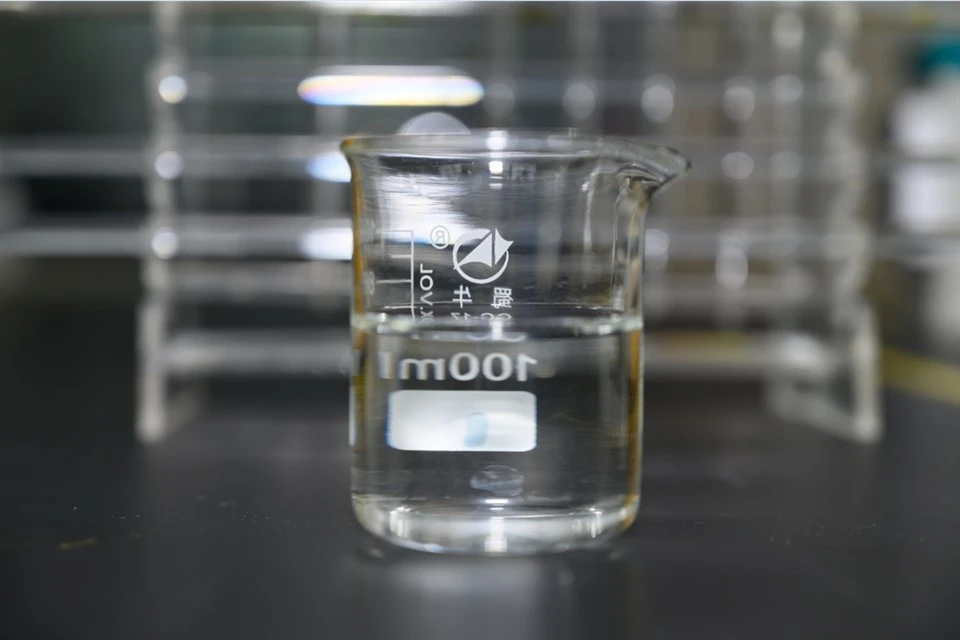
One of the main ways acrylamide affects surface tension is by reducing it. The acrylamide molecules can insert themselves between the adhesive molecules, weakening the intermolecular forces at the surface. This makes the surface of the adhesive more "fluid" and less resistant to deformation.
A lower surface tension is actually beneficial for glass fiber adhesive. It allows the adhesive to spread more easily over the glass fibers. When the adhesive spreads well, it can cover a larger surface area of the fibers, which improves the adhesion between the adhesive and the glass. This means that the glass fibers are better held together, resulting in a stronger and more durable composite material.
Another aspect to consider is the concentration of acrylamide. If you add too little acrylamide, the effect on surface tension may be negligible. On the other hand, if you add too much, it can cause other problems. For example, an excessive amount of acrylamide might change the viscosity of the adhesive too much, making it too runny or too thick.
The type of acrylamide also matters. Acrylamide Liquid 50% is already in a diluted form, which can make it easier to control the amount added to the adhesive. The pre - diluted liquid allows for a more precise adjustment of the surface tension. Acrylamide Liquid gives you more flexibility in terms of dilution, and you can adjust the concentration according to your specific needs. Acrylamide Crystal is a solid form, and you need to dissolve it in a suitable solvent before adding it to the adhesive. But once dissolved, it can also have a significant impact on surface tension.
The temperature also plays a role in how acrylamide affects surface tension. At higher temperatures, the molecules in the adhesive and acrylamide have more kinetic energy. This increased movement can enhance the interaction between acrylamide and the adhesive molecules, leading to a more significant reduction in surface tension. However, if the temperature is too high, it can also cause other chemical reactions in the adhesive, which may not be desirable.
Now, let's talk about some real - world applications. In the production of fiberglass products, such as boats, wind turbine blades, and automotive parts, the use of acrylamide in glass fiber adhesive is crucial. By adjusting the surface tension of the adhesive with acrylamide, manufacturers can ensure better quality and performance of these products.
For instance, in wind turbine blades, the glass fiber composite needs to be extremely strong and durable. The proper use of acrylamide in the adhesive helps to achieve a good bond between the glass fibers, which can withstand the high stresses and harsh environmental conditions that wind turbine blades are exposed to.
If you're in the business of making glass fiber products, you know how important it is to have a high - quality adhesive. And that's where we come in as a supplier of acrylamide for glass fiber adhesive. We offer a range of acrylamide products, including Acrylamide Liquid 50%, Acrylamide Liquid, and Acrylamide Crystal, to meet your specific requirements.
Whether you're looking to improve the adhesion of your glass fiber adhesive or enhance the performance of your composite materials, our acrylamide products can be the solution. We have a team of experts who can provide you with technical support and advice on the best way to use acrylamide in your adhesive formulations.
If you're interested in learning more about how our acrylamide products can benefit your glass fiber adhesive, or if you want to discuss your specific needs, don't hesitate to reach out. We're here to help you make the most of acrylamide in your manufacturing process.
References
- Smith, J. (2018). "The Effects of Additives on the Properties of Glass Fiber Adhesives." Journal of Composite Materials, 42(12), 1456 - 1467.
- Johnson, A. (2019). "Polar Molecules and Their Influence on Surface Tension in Adhesives." Adhesion Science Review, 25(3), 210 - 221.


