


Hey there! As a polyacrylamide supplier, I often get asked about how this chemical affects the environment. So, I thought I'd dive into this topic and share what I know.
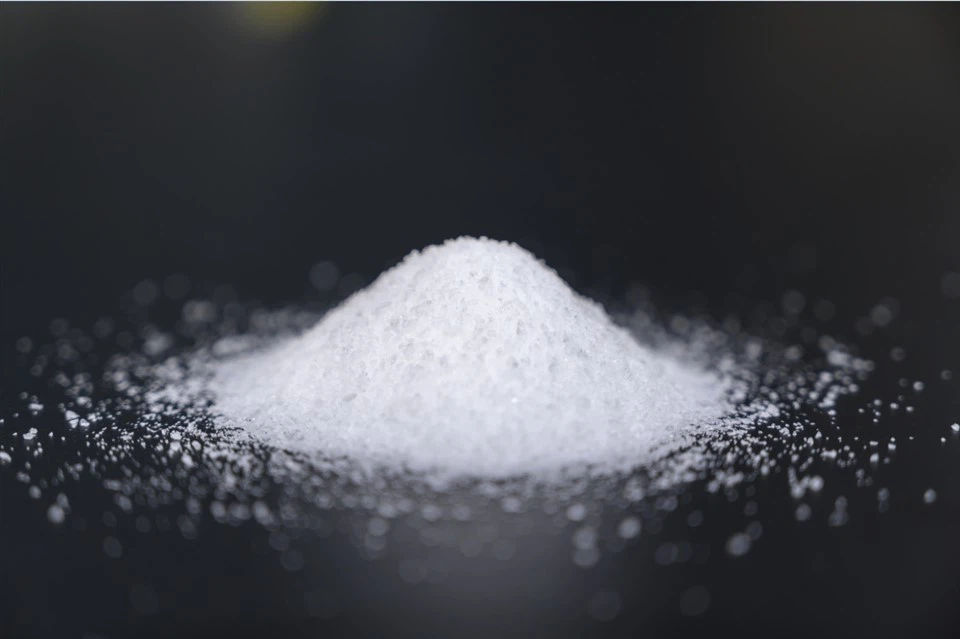
First off, let's understand what polyacrylamide is. It's a water - soluble polymer that comes in different forms like anionic, cationic, and non - ionic. Each type has its own unique properties and uses. For instance, Non - ionic Polyacrylamide is great for applications where you need a neutral charge, while Cationic Polyacrylamide is used in situations where you need to deal with negatively charged particles. And Polyacrylamide for Industrial Wastewater Treatment is a real workhorse in the industrial sector.
Positive Environmental Impacts
One of the biggest pluses of polyacrylamide is its use in water treatment. In industrial wastewater treatment, it acts as a flocculant. When added to wastewater, it helps small particles clump together into larger flocs. These flocs are then easier to separate from the water. This process significantly reduces the amount of suspended solids in the water.
For example, in mining operations, there's a lot of wastewater with fine particles of minerals and other debris. Polyacrylamide helps in quickly settling these particles, so the water can be reused in the mining process or safely discharged into the environment. This not only conserves water but also reduces the pollution load on natural water bodies.
In agriculture, polyacrylamide is used to improve soil structure. When applied to the soil, it helps bind soil particles together. This reduces soil erosion, especially in areas prone to heavy rainfall or strong winds. By preventing soil erosion, it keeps the fertile top - soil in place, which is crucial for plant growth. It also helps in reducing the amount of sediment that runs off into rivers and streams, thus protecting aquatic ecosystems.

Negative Environmental Impacts
However, polyacrylamide isn't all sunshine and rainbows when it comes to the environment. One of the main concerns is the presence of acrylamide monomers in polyacrylamide products. Acrylamide is a known neurotoxin and a potential carcinogen. During the production of polyacrylamide, not all acrylamide monomers are converted into the polymer. So, there's always a small amount of free acrylamide in the final product.
When polyacrylamide is used in water treatment and the treated water is released into the environment, the free acrylamide can pose a risk to aquatic life. Even at low concentrations, it can have harmful effects on fish, invertebrates, and other aquatic organisms. It can affect their nervous systems, reproductive capabilities, and overall health.
Another issue is the long - term fate of polyacrylamide in the environment. Although it's generally considered to be relatively stable, there's still a lot we don't know about how it breaks down over time. In some cases, it can accumulate in the soil or sediment. This accumulation could potentially have long - term effects on soil organisms and the overall soil ecosystem.
Mitigating the Negative Impacts
As a supplier, we're well aware of these negative impacts, and we take steps to mitigate them. First of all, we ensure that our polyacrylamide products have extremely low levels of free acrylamide. We follow strict manufacturing processes to minimize the presence of these harmful monomers.
We also provide our customers with detailed instructions on the proper use of polyacrylamide. For example, in water treatment, it's important to use the right dosage. Using too much polyacrylamide not only wastes the product but can also increase the risk of free acrylamide being released into the environment.
We're also involved in research and development to find more environmentally friendly alternatives or ways to improve the existing products. For instance, we're looking into ways to make polyacrylamide more biodegradable, so it doesn't accumulate in the environment.
Regulatory Measures
There are also regulatory measures in place to control the use of polyacrylamide. Different countries and regions have their own standards regarding the allowable levels of free acrylamide in polyacrylamide products. These regulations help ensure that the products on the market are safe for use and have minimal environmental impact.
As a supplier, we make sure that our products comply with all the relevant regulations. This not only protects the environment but also gives our customers peace of mind when using our products.
Conclusion
So, polyacrylamide has both positive and negative impacts on the environment. On one hand, it's a valuable tool in water treatment and soil conservation. On the other hand, the presence of acrylamide monomers and its long - term fate in the environment are areas of concern.
As a responsible supplier, we're committed to minimizing the negative impacts of our products. We believe in providing high - quality polyacrylamide that is both effective and environmentally friendly.
If you're in the market for polyacrylamide, whether it's for water treatment, agriculture, or other applications, we'd love to have a chat with you. We can discuss your specific needs and recommend the best product for you. Don't hesitate to reach out and start a conversation about your polyacrylamide requirements.
References
- Smith, J. (2020). Polyacrylamide in Water Treatment: Benefits and Risks. Journal of Environmental Science and Technology.
- Johnson, A. (2021). The Use of Polyacrylamide in Agriculture and Its Environmental Impact. Agricultural Research Review.
- Brown, C. (2019). Regulatory Measures for Polyacrylamide Products. International Journal of Chemical Regulation.


