


In the papermaking industry, the retention of fines is a crucial factor that significantly impacts the quality and efficiency of the papermaking process. Fines, which include small fibers, fillers, and other particulate materials, tend to be lost during the papermaking process, leading to increased production costs and environmental concerns. Polyacrylamide, a versatile polymer, has emerged as a key solution for improving the retention of fines in papermaking. As a leading supplier of Polyacrylamide for Papermaking, I am excited to share insights into how polyacrylamide enhances the retention of fines and revolutionizes the papermaking industry.
Understanding the Role of Fines in Papermaking
Fines play a vital role in papermaking, contributing to the paper's strength, smoothness, opacity, and printability. However, their small size and high surface area make them prone to being washed away during the papermaking process, resulting in poor retention and increased water pollution. Effective retention of fines is essential for maximizing the utilization of raw materials, reducing production costs, and improving the overall quality of the paper.
Mechanisms of Polyacrylamide in Improving Fines Retention
Polyacrylamide is a water-soluble polymer that can be customized to have different molecular weights and charge densities, making it suitable for various papermaking applications. The following are the primary mechanisms by which polyacrylamide improves the retention of fines in papermaking:

Flocculation
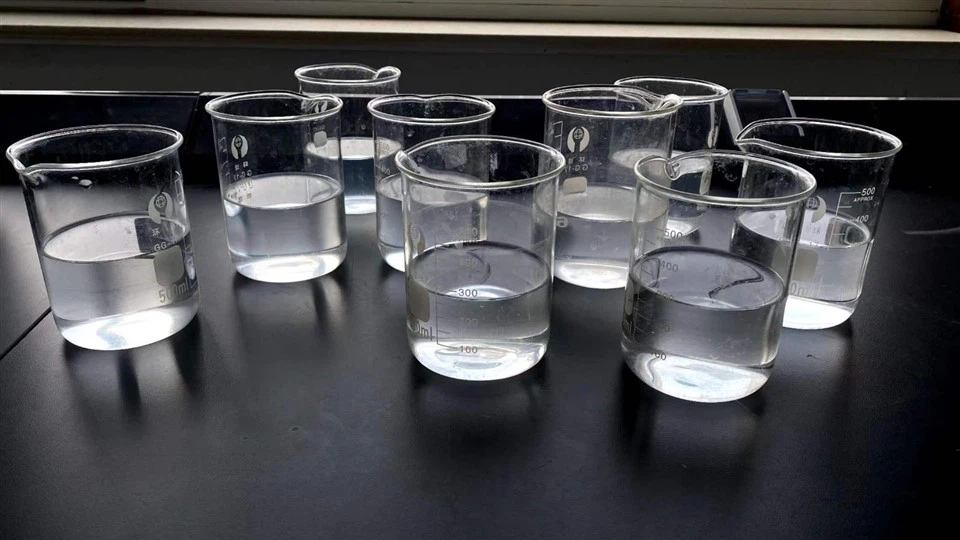
One of the main ways polyacrylamide enhances fines retention is through flocculation. Polyacrylamide molecules have long chains with charged groups that can adsorb onto the surface of fines and fibers. When polyacrylamide is added to the papermaking furnish, it bridges the gaps between individual fines and fibers, forming larger flocs. These flocs are more easily retained on the paper machine wire, reducing the loss of fines in the white water.
Charge Neutralization
In addition to flocculation, polyacrylamide can also neutralize the surface charges of fines and fibers. Many fines and fillers in the papermaking furnish carry negative charges, which can cause them to repel each other and remain dispersed in the water. Polyacrylamide with the appropriate charge density can neutralize these negative charges, reducing the electrostatic repulsion between particles and promoting their aggregation. This charge neutralization effect further enhances the formation of flocs and improves fines retention.
Entanglement
The long chains of polyacrylamide can also entangle with the fibers and fines in the papermaking furnish, creating a three-dimensional network structure. This network structure helps to trap the fines within the fiber matrix, preventing them from being washed away during the papermaking process. The entanglement effect is particularly effective for retaining very fine particles that are difficult to capture by other means.
Factors Affecting the Performance of Polyacrylamide in Fines Retention
The effectiveness of polyacrylamide in improving fines retention depends on several factors, including:
Molecular Weight
The molecular weight of polyacrylamide plays a crucial role in its flocculation and retention performance. Higher molecular weight polyacrylamide generally forms larger and stronger flocs, which are more easily retained on the paper machine wire. However, very high molecular weight polyacrylamide may also cause excessive flocculation, leading to poor paper formation and uneven distribution of fines. Therefore, the appropriate molecular weight of polyacrylamide needs to be selected based on the specific papermaking conditions and requirements.
Charge Density
The charge density of polyacrylamide refers to the number of charged groups per unit length of the polymer chain. Polyacrylamide can be cationic, anionic, or non-ionic, depending on the type of charged groups it contains. Cationic polyacrylamide is commonly used in papermaking to neutralize the negative charges on fines and fibers and promote flocculation. The charge density of cationic polyacrylamide needs to be carefully adjusted to achieve the optimal balance between charge neutralization and flocculation.
Dosage
The dosage of polyacrylamide is another important factor that affects its performance in fines retention. Too low a dosage may not provide sufficient flocculation and retention, while too high a dosage may cause excessive flocculation, poor paper formation, and increased production costs. The optimal dosage of polyacrylamide needs to be determined through laboratory testing and on-site trials, taking into account the characteristics of the papermaking furnish, the type of paper being produced, and the operating conditions of the paper machine.
pH and Temperature
The pH and temperature of the papermaking furnish can also influence the performance of polyacrylamide. Polyacrylamide is sensitive to changes in pH and temperature, and its flocculation and retention performance may vary under different conditions. For example, cationic polyacrylamide is more effective at lower pH values, while anionic polyacrylamide may perform better at higher pH values. The temperature of the papermaking furnish can also affect the solubility and reactivity of polyacrylamide, so it is important to maintain the appropriate temperature range during the papermaking process.
Benefits of Using Polyacrylamide for Fines Retention in Papermaking
The use of polyacrylamide for improving fines retention in papermaking offers several significant benefits, including:
Improved Paper Quality
By enhancing the retention of fines, polyacrylamide helps to improve the strength, smoothness, opacity, and printability of the paper. The increased fines content in the paper also contributes to better formation and reduced porosity, resulting in a more uniform and high-quality product.
Reduced Production Costs
Effective fines retention reduces the loss of raw materials, such as fibers and fillers, in the white water. This not only saves on raw material costs but also reduces the load on the wastewater treatment system, resulting in lower operating costs. Additionally, improved fines retention can increase the production speed of the paper machine, further improving the overall efficiency of the papermaking process.
Environmental Sustainability
The use of polyacrylamide for fines retention helps to reduce the environmental impact of papermaking. By minimizing the loss of fines in the white water, polyacrylamide reduces the amount of suspended solids and pollutants discharged into the environment, contributing to cleaner water and a more sustainable papermaking industry.
Applications of Polyacrylamide in Papermaking
Polyacrylamide is widely used in various papermaking applications, including:
Fine Paper Production
In the production of fine papers, such as printing and writing papers, polyacrylamide is used to improve the retention of fines and fillers, resulting in a smoother surface, better printability, and higher brightness.
Packaging Paper Production
For packaging papers, such as corrugated board and linerboard, polyacrylamide helps to enhance the strength and stiffness of the paper by improving the retention of fibers and fines. This results in a more durable and reliable packaging material.
Tissue Paper Production
In tissue paper production, polyacrylamide is used to improve the softness, absorbency, and strength of the tissue by enhancing the retention of fines and fibers. This results in a high-quality tissue product that meets the demanding requirements of consumers.
Our Polyacrylamide Products for Papermaking
As a leading supplier of Polyacrylamide for Papermaking, we offer a wide range of high-quality polyacrylamide products that are specifically designed to meet the diverse needs of the papermaking industry. Our products include Polyacrylamide for Sand Washing, Polyacrylamide for Industrial Wastewater Treatment, and Polyacrylamide Powder. Our polyacrylamide products are available in different molecular weights and charge densities, allowing us to provide customized solutions for various papermaking applications.
Contact Us for Polyacrylamide Procurement
If you are interested in learning more about our polyacrylamide products for papermaking or would like to discuss your specific requirements, please feel free to contact us. Our team of experts is dedicated to providing you with the best solutions and support to help you improve the retention of fines in your papermaking process and achieve your production goals.
References
- Hubbe, M. A., Rojas, O. J., & Venditti, R. A. (2008). The flocculation of cellulosic suspensions. Progress in Polymer Science, 33(8), 815-863.
- Gregory, J. (2005). Colloidal aspects of papermaking. Advances in Colloid and Interface Science, 118(1-3), 173-197.
- Xiao, Y., & Pelton, R. H. (2006). Cationic polyacrylamide flocculants: Synthesis, characterization, and flocculation performance. Progress in Polymer Science, 31(10), 945-962.


