


Hey there! As a supplier of Polyacrylamide for Papermaking, I've seen firsthand how this amazing chemical can work wonders in the paper industry. One of the most fascinating aspects is how polyacrylamide can improve the strength properties of paper under wet conditions. Let's dive right in and explore this topic.
Understanding the Problem of Wet - Strength in Paper
First off, we need to understand why wet - strength is such a big deal in the paper world. Paper is made from cellulose fibers. When these fibers get wet, hydrogen bonds between them start to break. Hydrogen bonds are what give paper its strength in the first place. Once they're gone, the paper becomes weak and mushy. This is a major issue in many applications. For example, think about tissues that need to hold up when they get wet, or packaging materials that might be exposed to moisture during transportation.

How Polyacrylamide Comes to the Rescue
So, how does polyacrylamide step in and save the day? Well, polyacrylamide is a polymer with a long chain - like structure. It has a bunch of functional groups that can interact with the cellulose fibers in paper.
There are different types of polyacrylamide, but for improving wet - strength, Cationic Polyacrylamide is often the go - to choice. Cationic polyacrylamide has a positive charge. Cellulose fibers in paper usually have a negative charge. Opposites attract, right? So, the cationic polyacrylamide can bind strongly to the cellulose fibers.
When polyacrylamide binds to the fibers, it forms a sort of network. This network helps to hold the fibers together even when the paper is wet. It's like adding a safety net to the structure of the paper. The polymer chains can bridge the gaps between the fibers, preventing them from easily separating when water tries to break the hydrogen bonds.
Mechanisms of Strength Improvement
Let's get a bit more technical here. There are a few key mechanisms through which polyacrylamide improves wet - strength.
Cross - linking
Polyacrylamide can form cross - links between the cellulose fibers. Cross - linking is like creating a web of connections. These cross - links are much stronger than the hydrogen bonds alone. They can withstand the disruptive effects of water. When water tries to break the hydrogen bonds, the cross - links keep the fibers in place, maintaining the integrity of the paper structure.
Adsorption and Retention
The adsorption of polyacrylamide on the fiber surface is crucial. It not only helps in binding the fibers together but also improves the retention of fine particles in the paper. Fine particles, like fillers and small fibers, can easily be washed away when the paper gets wet. Polyacrylamide adsorbs these fine particles and holds them within the paper matrix. This increases the overall density and strength of the paper.
Hydrophobic Interactions
Some polyacrylamide molecules have hydrophobic (water - hating) regions. These hydrophobic regions can cluster together, creating a sort of barrier against water. This reduces the amount of water that can penetrate the paper and break the hydrogen bonds between the fibers. As a result, the paper retains more of its strength under wet conditions.
Benefits in Different Paper Applications
The use of polyacrylamide to improve wet - strength has a wide range of benefits in various paper applications.
Tissue Papers
Tissue papers, such as facial tissues and toilet papers, need to be soft and absorbent. But they also need to hold up when they get wet. Polyacrylamide can give these tissues the necessary wet - strength without sacrificing their softness. You don't want your tissue to fall apart when you're using it to wipe your nose or clean up a spill.
Packaging Papers
Packaging papers are often exposed to moisture during storage and transportation. If the paper doesn't have good wet - strength, it can tear or collapse, damaging the products inside. By adding polyacrylamide, the packaging papers can maintain their structural integrity even in humid environments.
Specialty Papers
Specialty papers, like filter papers and banknotes, also require high wet - strength. Filter papers need to hold up while filtering liquids, and banknotes need to withstand handling and possible exposure to moisture. Polyacrylamide can ensure that these papers perform well under wet conditions.
Our Polyacrylamide Products
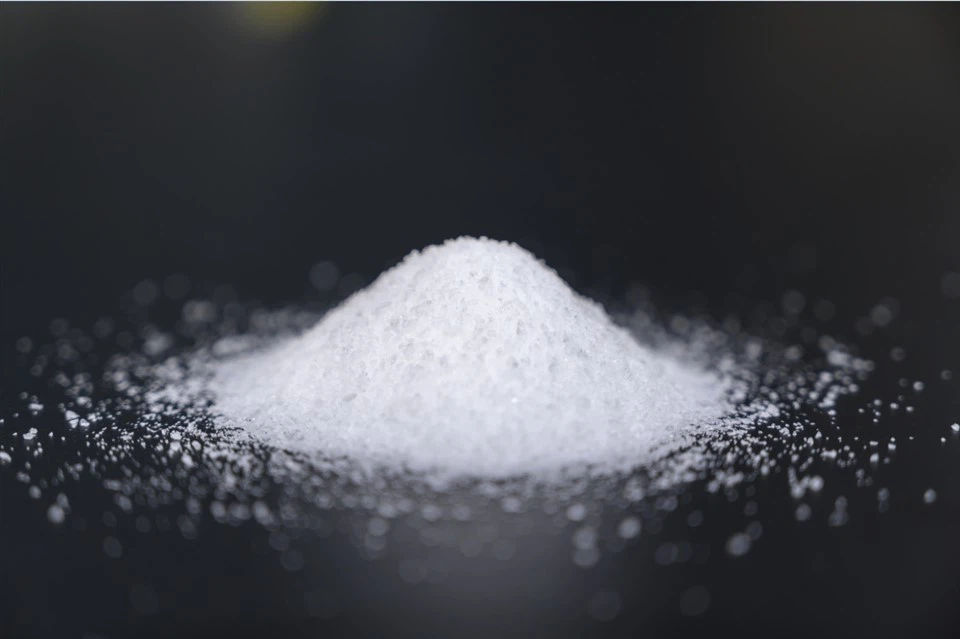
As a supplier, we offer high - quality Polyacrylamide Powder that is specifically designed for papermaking. Our products are carefully formulated to provide the best wet - strength improvement. We have a range of cationic polyacrylamide products with different charge densities and molecular weights. This allows our customers to choose the right product for their specific paper - making needs.
We also have Polyacrylamide for Sand Washing, which shows the versatility of our polyacrylamide products. Although it's mainly used in sand - washing applications, the basic principles of how polyacrylamide works are similar across different industries.
How to Use Polyacrylamide in Papermaking
Using polyacrylamide in papermaking is not too complicated. First, you need to dissolve the polyacrylamide powder in water to form a solution. The concentration of the solution depends on the type of paper you're making and the desired level of wet - strength.
The solution is then added to the paper pulp at the appropriate stage of the papermaking process. It's important to mix it well so that the polyacrylamide can evenly distribute among the cellulose fibers. Once the polyacrylamide is added, the pulp can be further processed to form the paper.
Contact Us for Purchase and Consultation
If you're in the paper - making industry and looking to improve the wet - strength of your paper products, we're here to help. Our team of experts can provide you with detailed information about our polyacrylamide products, including technical specifications, usage guidelines, and pricing.
Whether you're a small - scale paper mill or a large - scale manufacturer, we can tailor our solutions to meet your needs. Don't hesitate to reach out to us for a consultation. We're eager to work with you to take your paper products to the next level in terms of wet - strength and overall quality.
References
- Hubbe, M. A., Rojas, O. J., Venditti, R. A., Baroutian, S., & Tan, L. S. (2008). The chemistry of additives used to modify the wet strength of paper: a review. BioResources, 3(2), 996 - 1066.
- Pelton, R. H. (2008). Colloidal aspects of wet - strength resins and additives. Journal of Pulp and Paper Science, 34(10), 373 - 380.


