


Hey there! As a supplier of Polyacrylamide for Industrial Wastewater Treatment, I've been getting a lot of questions lately about how polyacrylamide performs in treating industrial wastewater with low turbidity. So, I thought I'd take a moment to share some insights and experiences on this topic.
First off, let's talk about what low-turbidity industrial wastewater is. Turbidity refers to the cloudiness or haziness of a fluid caused by large numbers of individual particles that are generally invisible to the naked eye. In industrial settings, low-turbidity wastewater typically contains fewer suspended solids compared to high-turbidity wastewater. This could be from processes like precision manufacturing, electronics production, or some chemical refining operations where the water used has relatively low levels of contaminants.
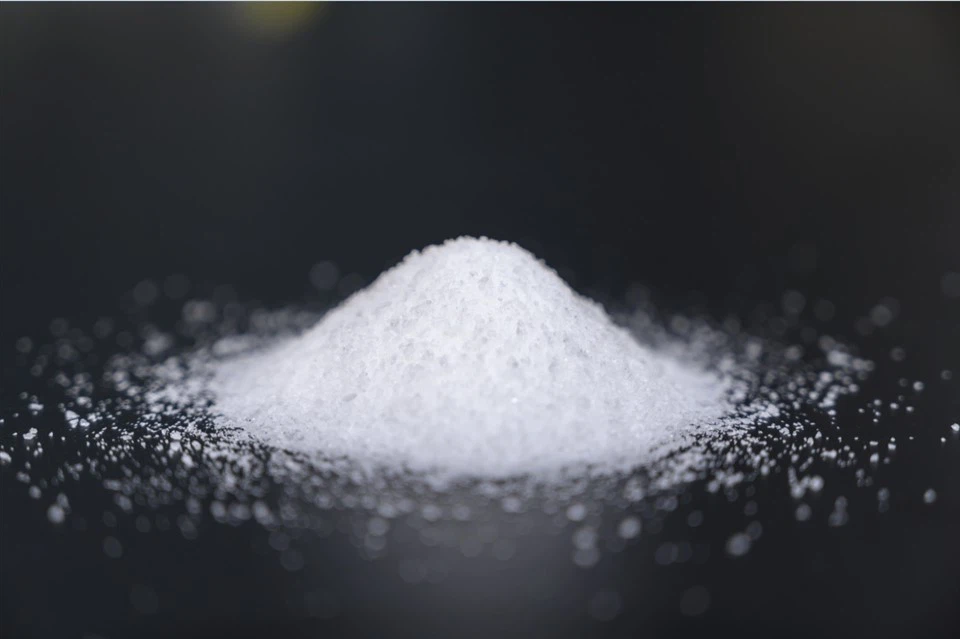
Now, polyacrylamide is a versatile polymer that comes in different forms, such as Polyacrylamide Powder. It's widely used in wastewater treatment due to its ability to flocculate, or clump together, suspended particles. But how does it work in low-turbidity situations?
The Mechanism of Polyacrylamide in Low-Turbidity Wastewater
Polyacrylamide works through a process called flocculation. It has long chains of molecules that can adsorb onto the surface of suspended particles in the wastewater. When these chains come into contact with multiple particles, they form bridges between them, causing the particles to aggregate into larger flocs. These larger flocs are then easier to separate from the water through sedimentation or filtration.
In low-turbidity wastewater, the challenge is that there are fewer particles available for the polyacrylamide to work on. However, polyacrylamide can still be effective. It can help to capture the small number of remaining particles and bring them together into larger, more easily removable flocs.
Advantages of Using Polyacrylamide in Low-Turbidity Wastewater
Enhanced Particle Removal
Even with a low concentration of suspended solids, polyacrylamide can improve the efficiency of particle removal. By forming flocs, it makes it easier for the particles to settle out of the water or be filtered. This can lead to a significant reduction in the turbidity of the treated water, making it clearer and more suitable for reuse or discharge.
Cost-Effectiveness
In many cases, using polyacrylamide in low-turbidity wastewater treatment can be cost-effective. Since the amount of contaminants is relatively low, a smaller dosage of polyacrylamide may be sufficient to achieve the desired level of treatment. This means lower chemical costs compared to using more intensive treatment methods.
Versatility
Polyacrylamide can be tailored to different types of low-turbidity wastewater. There are different types of polyacrylamide, such as anionic, cationic, and non-ionic, each with specific properties that make them suitable for different wastewater characteristics. For example, anionic polyacrylamide is often used for treating wastewater with negatively charged particles, while cationic polyacrylamide is better for positively charged particles.
Challenges and Considerations
Dosage Optimization
One of the main challenges in using polyacrylamide for low-turbidity wastewater is determining the right dosage. Since there are fewer particles, using too much polyacrylamide can lead to over-flocculation, where the flocs become too large and may break apart, or the treated water may become sticky. On the other hand, using too little polyacrylamide may not achieve the desired level of particle removal. It's important to conduct jar tests or other laboratory experiments to determine the optimal dosage for a specific wastewater.
Compatibility with Other Chemicals
In some industrial wastewater treatment processes, other chemicals may be used in conjunction with polyacrylamide. It's important to ensure that these chemicals are compatible with polyacrylamide. For example, some chemicals may react with polyacrylamide and reduce its effectiveness or cause unwanted side effects.

Real-World Applications
I've seen firsthand how polyacrylamide can make a difference in treating low-turbidity industrial wastewater. For instance, in a precision manufacturing plant, the wastewater had a relatively low turbidity but still contained small amounts of metal particles and other contaminants. By using the right type and dosage of polyacrylamide, we were able to significantly reduce the turbidity of the water and meet the discharge standards.
Another example is in an electronics production facility. The wastewater from the cleaning processes had low levels of organic and inorganic contaminants. Polyacrylamide was used to flocculate the remaining particles, and the treated water was then reused in the production process, saving the company a significant amount of water and reducing their environmental impact.
Comparing with Other Treatment Methods
There are other methods available for treating low-turbidity industrial wastewater, such as membrane filtration and activated carbon adsorption. While these methods can be effective, they often have higher capital and operating costs. Polyacrylamide, on the other hand, is a relatively inexpensive and easy-to-use option.
Membrane filtration requires expensive equipment and regular maintenance, and it may not be suitable for all types of contaminants. Activated carbon adsorption can be effective for removing organic contaminants, but it may not be as efficient for removing suspended particles. Polyacrylamide can complement these methods or be used as a standalone treatment in some cases.
Conclusion
In conclusion, polyacrylamide can be a highly effective solution for treating industrial wastewater with low turbidity. Its ability to flocculate particles, enhance particle removal, and its cost-effectiveness make it a popular choice in many industrial settings. However, it's important to optimize the dosage and ensure compatibility with other chemicals to achieve the best results.
If you're dealing with low-turbidity industrial wastewater and are looking for a reliable treatment solution, I'd be more than happy to discuss how our Polyacrylamide for Industrial Wastewater Treatment can meet your needs. We also offer Polyacrylamide Powder and Polyacrylamide for Municipal Sewage for different applications. Don't hesitate to reach out and start a conversation about your specific requirements. Let's work together to find the best solution for your wastewater treatment challenges.
References
- "Wastewater Treatment Technology: Principles and Design" by Metcalf & Eddy.
- "Handbook of Industrial Water Treatment" by Water Quality Association.
- Research papers on polyacrylamide applications in wastewater treatment from various scientific journals.


