


Yo, I'm a supplier of polyacrylamide for oil field displacing agents. Over the years, I've seen firsthand the potential of this stuff in the oil industry. But let me tell you, large - scale application of polyacrylamide for oil field displacing agents ain't all sunshine and rainbows. There are some real challenges that we need to tackle head - on.
1. Technical Challenges
Compatibility with Reservoir Conditions
One of the biggest headaches is making sure polyacrylamide plays nice with the reservoir conditions. Every oil reservoir is like a unique snowflake. The temperature, salinity, and pH levels can vary widely from one place to another.
In high - temperature reservoirs, polyacrylamide can start to break down. The long polymer chains that give it its thickening and displacing properties start to degrade. This means it loses its effectiveness in pushing oil through the porous rock. And when it comes to high - salinity environments, the salt ions can interfere with the polymer's ability to form stable solutions. The polyacrylamide may start to precipitate out of the solution, clogging up the pores in the reservoir and reducing the flow of oil.
For instance, in some deep - sea oil fields, the reservoir temperature can reach over 100 degrees Celsius. Our polyacrylamide products need to be engineered to withstand these extreme conditions. We've been doing a lot of R & D to develop heat - resistant and salt - tolerant polyacrylamide. But it's a slow and expensive process.
Injection and Distribution
Getting the polyacrylamide evenly distributed throughout the reservoir is another tough nut to crack. When we inject it into the ground, it doesn't always spread out the way we want it to. Sometimes, it can form channels or fingers, bypassing large areas of the reservoir where there's still plenty of oil.
This uneven distribution means that we're not using the polyacrylamide as efficiently as we could be. We end up wasting a lot of the product, and we're not recovering as much oil as we should. To solve this problem, we need to develop better injection techniques and control systems. We're looking into things like using smart polymers that can change their properties based on the local conditions in the reservoir. But again, this is a complex and costly area of research.
2. Environmental Challenges
Biodegradability
Polyacrylamide is a synthetic polymer, and it's not very biodegradable. When it's used in oil field applications, there's a risk that it could end up in the environment. If it gets into water sources, it could have a negative impact on aquatic life.
We're aware of this issue, and we're working on developing more environmentally friendly polyacrylamide products. For example, we're looking at adding biodegradable components to the polymer structure. But this is a delicate balance because we don't want to sacrifice the performance of the polyacrylamide as an oil field displacing agent.
Waste Management
Another environmental challenge is dealing with the waste generated during the production and use of polyacrylamide. The manufacturing process can produce a lot of chemical waste, and we need to make sure that this waste is disposed of properly.
In the oil field, when the polyacrylamide is used up, we're left with a mixture of oil, water, and polymer. Separating these components and treating the waste water is a complex and energy - intensive process. We're constantly looking for ways to improve our waste management practices to reduce our environmental footprint.
3. Economic Challenges
Cost of Production
Producing polyacrylamide for oil field displacing agents is expensive. The raw materials are costly, and the manufacturing process requires a lot of energy and specialized equipment. As a supplier, we're always trying to find ways to reduce our production costs without sacrificing the quality of our products.
We're looking into things like sourcing raw materials from more cost - effective suppliers and optimizing our manufacturing processes. But the market for raw materials is volatile, and it's not always easy to predict price fluctuations. This makes it difficult to plan our production and set competitive prices for our customers.
Market Competition
The market for polyacrylamide for oil field displacing agents is highly competitive. There are a lot of suppliers out there, both big and small. To stand out from the crowd, we need to offer high - quality products at competitive prices.
We also need to provide excellent customer service and technical support. Our customers rely on us to help them solve their oil recovery problems, and we need to be able to offer customized solutions. But competing on price and quality is a constant battle, and it's getting tougher as more and more players enter the market.
4. Regulatory Challenges
Compliance with Standards
There are a lot of regulations governing the use of polyacrylamide in the oil industry. These regulations cover things like product quality, environmental impact, and health and safety. We need to make sure that our products meet all of these standards.
Complying with these regulations can be a real headache. We need to conduct regular tests and inspections to prove that our polyacrylamide products are safe and effective. Any non - compliance can result in fines and damage to our reputation.
International Variations
The regulations can vary from one country to another. If we want to sell our products globally, we need to navigate this complex web of international regulations. For example, some countries may have stricter environmental standards than others. We need to be able to adapt our products and manufacturing processes to meet these different requirements.
Despite all these challenges, I'm still optimistic about the future of polyacrylamide for oil field displacing agents. The potential benefits in terms of increased oil recovery are huge. And we're making progress in addressing these challenges.
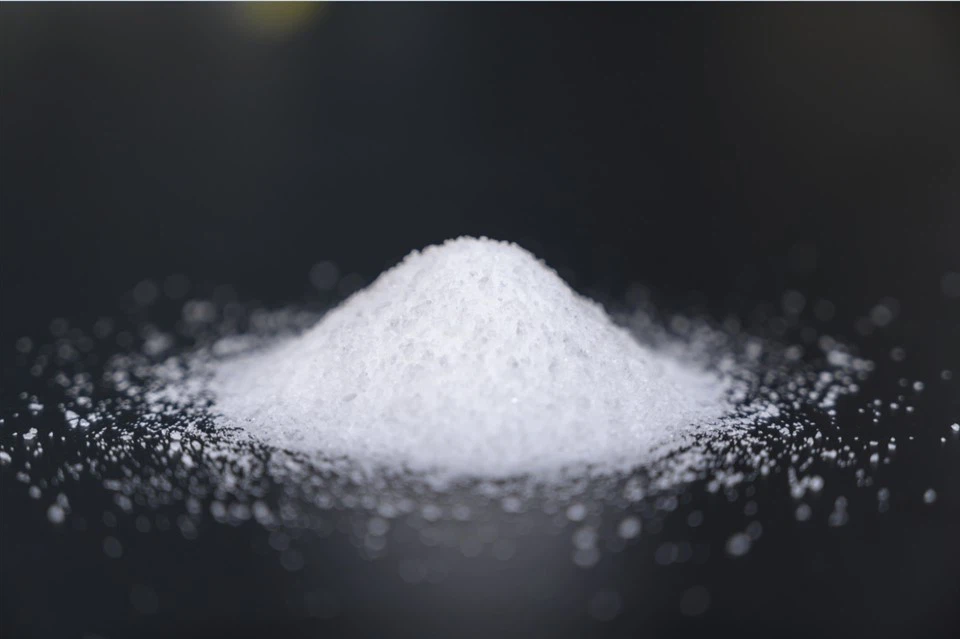
If you're in the oil industry and you're interested in using polyacrylamide for oil field displacing agents, we'd love to talk to you. We've got a range of products that are designed to meet different reservoir conditions. Whether you're dealing with high - temperature, high - salinity reservoirs or you need a product that's more environmentally friendly, we can help. You can also check out some of our other related products like Polyacrylamide for Dyeing Wastewater, Cationic Polyacrylamide, and Polyacrylamide Powder.
So, if you've got any questions or you're ready to start a procurement discussion, don't hesitate to reach out. Let's work together to overcome these challenges and get the most out of your oil fields.
References
- Smith, J. (2018). "Advances in Polyacrylamide Applications in the Oil Industry". Journal of Petroleum Science.
- Johnson, A. (2019). "Environmental Impacts of Synthetic Polymers in Oil Recovery". Environmental Science Review.
- Brown, C. (2020). "Cost - Benefit Analysis of Polyacrylamide Use in Oil Fields". Economic Journal of the Energy Sector.


