


Hey there! As a supplier of Acrylamide Liquid, I've seen my fair share of the product in different states. One of the things I often get asked about is the signs of degradation of Acrylamide Liquid. So, I thought I'd share some insights on this topic.

First off, let's talk a bit about what acrylamide is. Acrylamide is a versatile chemical compound that has a wide range of applications. You can find it being used in various industries, like in the production of Acrylamide for Medicines Pesticides, where it plays a crucial role in formulating effective medications and pesticides. It's also used in the creation of Acrylamide Crystal, which has its own set of uses, and in the production of Acrylamide for Dyes, Paints, giving those colors and coatings their desired properties.
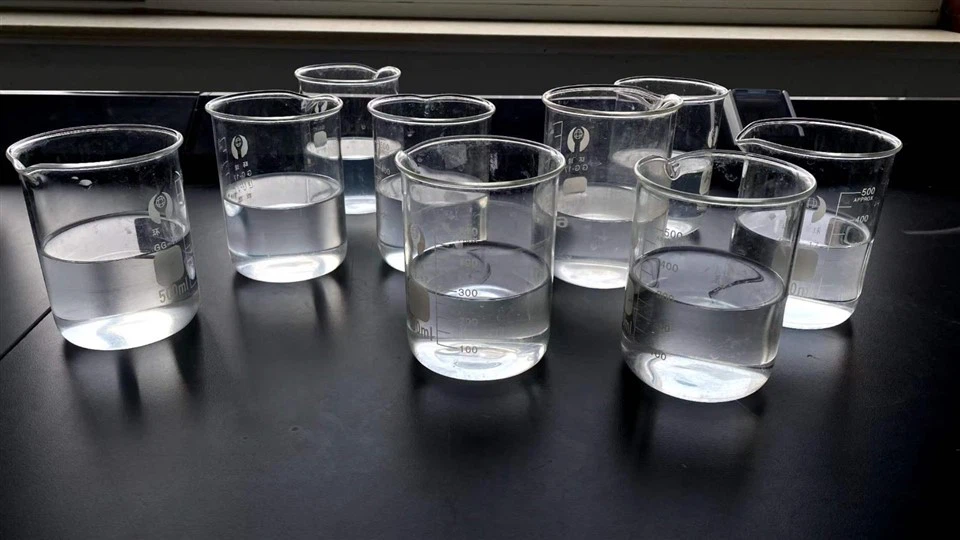
Now, onto the signs of degradation. One of the most obvious signs is a change in appearance. Fresh acrylamide liquid is usually clear and colorless. But when it starts to degrade, you might notice a yellowish or brownish tint. This discoloration is a big red flag. It could be due to oxidation or the presence of impurities that have reacted with the acrylamide over time. If you see your acrylamide liquid looking anything other than clear and colorless, it's time to take a closer look.
Another sign is the formation of precipitates. As acrylamide degrades, it can start to break down into different components. Some of these components might not be soluble in the liquid, and they'll start to settle at the bottom of the container. You might see small particles or a cloudy layer forming. This is a clear indication that the chemical structure of the acrylamide is changing, and it's no longer in its pure, usable form.
The smell can also give you a clue. Fresh acrylamide liquid has a very mild, almost unnoticeable odor. But when it degrades, it can develop a strong, unpleasant smell. This is because the breakdown products often have different chemical properties and can emit odors that are quite distinct from the original acrylamide. If you detect a strange smell coming from your acrylamide liquid, it's likely that it's starting to go bad.
Viscosity changes are also important to watch out for. Acrylamide liquid has a certain consistency when it's fresh. But as it degrades, the viscosity can either increase or decrease. An increase in viscosity might make the liquid thicker and harder to pour, while a decrease could make it thinner and more runny than normal. These changes in viscosity can affect how the acrylamide behaves in any process where it's being used, and it can lead to inconsistent results.
So, what causes acrylamide liquid to degrade? Well, there are a few factors. Exposure to heat is a big one. High temperatures can speed up the chemical reactions that lead to degradation. If the acrylamide liquid is stored in a place where it's exposed to direct sunlight or in a hot environment, it's more likely to break down.
Light can also play a role. Ultraviolet light, in particular, can cause the acrylamide to react and degrade. That's why it's important to store acrylamide liquid in opaque containers to protect it from light.
Contact with certain metals or other chemical substances can also trigger degradation. Some metals can act as catalysts for chemical reactions, causing the acrylamide to break down more quickly. And if the acrylamide comes into contact with incompatible chemicals, it can lead to unwanted reactions and degradation.
Now, why is it so important to pay attention to these signs? Well, using degraded acrylamide liquid can have serious consequences. In the pharmaceutical industry, for example, if degraded acrylamide is used in the production of medicines, it could affect the efficacy and safety of the drugs. The same goes for pesticides. If the acrylamide in a pesticide formulation has degraded, it might not work as effectively in controlling pests, and it could even have unintended environmental impacts.
In the dyes and paints industry, degraded acrylamide can lead to inconsistent color and quality. The paint might not adhere properly, or the dye might not give the desired color intensity. So, it's crucial to make sure that the acrylamide you're using is in good condition.
As a supplier, I always recommend proper storage and handling to prevent degradation. Store acrylamide liquid in a cool, dark place, away from direct sunlight and heat sources. Make sure the containers are tightly sealed to prevent exposure to air and moisture. And always check the expiration date and the appearance of the product before using it.
If you're in the market for high - quality acrylamide liquid, I'd love to have a chat with you. Whether you're using it for medicines, pesticides, dyes, paints, or any other application, we've got the expertise and the products to meet your needs. Don't hesitate to reach out if you have any questions or if you're interested in starting a purchase. We're here to help you get the best acrylamide liquid for your business.
References:
- General knowledge of acrylamide chemistry and industrial applications.
- Industry reports on the storage and handling of acrylamide products.


