


What is the impact of polyacrylamide on the color of municipal sewage?

As a supplier of polyacrylamide for municipal sewage, I've witnessed firsthand the significant role this chemical plays in wastewater treatment. One of the key aspects that often comes under scrutiny is its impact on the color of municipal sewage. In this blog, I'll delve into the science behind polyacrylamide and how it affects the color of the wastewater we handle every day.
Understanding Polyacrylamide
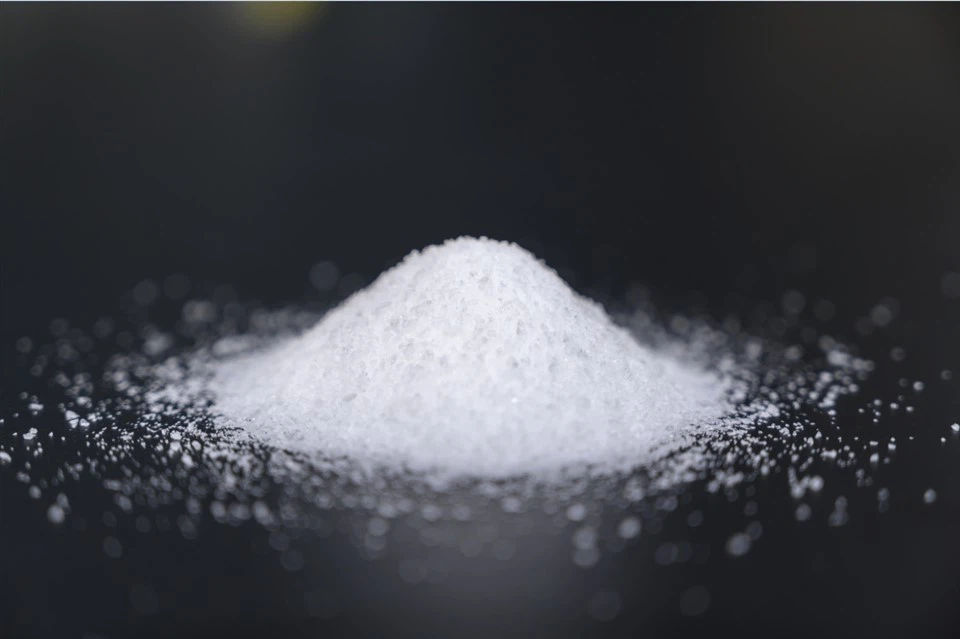
Polyacrylamide is a versatile polymer that comes in various forms, including Polyacrylamide Powder. It is widely used in municipal sewage treatment due to its excellent flocculation properties. Flocculation is the process of aggregating small particles in the sewage into larger clumps, which can then be more easily removed.
There are different types of polyacrylamide, such as anionic, cationic, and non - ionic. Among them, Cationic Polyacrylamide is particularly useful in municipal sewage treatment. Cationic polyacrylamide has a positive charge, which allows it to effectively neutralize the negatively charged particles in the sewage, promoting flocculation.
Color in Municipal Sewage
The color of municipal sewage can vary widely depending on its sources. It can range from a light brownish - yellow to a dark, murky color. The color is mainly due to the presence of organic matter, such as decaying plant material, human waste, and industrial pollutants. In addition, the presence of heavy metals and dyes from industrial discharges can also contribute to the color of the sewage.
How Polyacrylamide Affects the Color of Municipal Sewage
Flocculation and Sedimentation
The primary way polyacrylamide impacts the color of municipal sewage is through the process of flocculation. When polyacrylamide is added to the sewage, it binds to the suspended particles, causing them to form larger flocs. These flocs are heavier and settle to the bottom of the treatment tank more quickly. As a result, many of the colored particles are removed from the water column, leading to a reduction in the color of the sewage.
For example, in a sewage treatment plant, when cationic polyacrylamide is added to the influent, it can effectively remove the negatively charged organic matter and heavy metal complexes that contribute to the color. The flocs formed by the polyacrylamide trap these colored substances, and as they settle, the supernatant becomes clearer and less colored.
Adsorption
Polyacrylamide also has some adsorption properties. It can adsorb certain colored substances directly onto its polymer chains. This is especially true for some dyes and pigments that may be present in the sewage. For instance, Polyacrylamide for Dyeing Wastewater is specifically designed to deal with the high - color wastewater from the dyeing industry. It can adsorb the dyes and reduce the color intensity of the wastewater.
Oxidation and Reduction Reactions
In some cases, polyacrylamide can participate in oxidation and reduction reactions in the sewage. Although polyacrylamide itself is relatively stable, it can interact with other chemicals in the sewage treatment process. For example, when combined with oxidizing agents, it can help break down some of the colored organic compounds, further reducing the color of the sewage.
Case Studies
Let's take a look at a real - world example. A municipal sewage treatment plant in a medium - sized city was facing problems with high - color sewage due to industrial discharges. The sewage had a dark, reddish - brown color, mainly due to the presence of dyes from a nearby textile factory.
The plant decided to use cationic polyacrylamide in its treatment process. After adding the polyacrylamide to the influent, they noticed a significant change in the color of the sewage. The flocculation process was enhanced, and the colored particles were quickly removed. Within a few hours, the color of the supernatant in the sedimentation tank had changed from a dark red - brown to a light yellowish color.
Factors Affecting the Effectiveness of Polyacrylamide in Color Removal
Dosage
The dosage of polyacrylamide is crucial for its effectiveness in color removal. If the dosage is too low, there may not be enough polyacrylamide to bind to all the suspended particles, resulting in incomplete flocculation and limited color removal. On the other hand, if the dosage is too high, it can lead to over - flocculation, where the flocs become too large and may break apart, reducing the efficiency of the treatment process.
pH of the Sewage
The pH of the sewage also affects the performance of polyacrylamide. Different types of polyacrylamide work best at different pH ranges. For example, cationic polyacrylamide generally performs better in a slightly acidic to neutral pH range. If the pH of the sewage is too high or too low, it can affect the charge of the polyacrylamide and the suspended particles, reducing the effectiveness of flocculation and color removal.
Temperature
Temperature can also have an impact on the performance of polyacrylamide. In general, higher temperatures can increase the reaction rate between polyacrylamide and the suspended particles, promoting flocculation. However, extremely high temperatures can also cause the polyacrylamide to degrade, reducing its effectiveness.
Conclusion
Polyacrylamide has a significant impact on the color of municipal sewage. Through the processes of flocculation, adsorption, and participation in chemical reactions, it can effectively remove the colored particles from the sewage, leading to a reduction in its color. However, the effectiveness of polyacrylamide in color removal depends on several factors, such as dosage, pH, and temperature.
As a supplier of polyacrylamide for municipal sewage, we are committed to providing high - quality products and technical support to ensure the best results in sewage treatment. If you are involved in municipal sewage treatment and are looking for a reliable polyacrylamide supplier, we would be more than happy to discuss your specific needs and provide you with the most suitable solutions. Contact us to start a conversation about how our polyacrylamide products can help you achieve better color removal and overall sewage treatment efficiency.
References
- Metcalf & Eddy. (2003). Wastewater Engineering: Treatment and Reuse. McGraw - Hill.
- Water Environment Federation. (2018). Manual of Practice No. 8: Wastewater Treatment Plant Design. Water Environment Federation.
- Gregory, J. (2006). Coagulation and Flocculation: Theory and Practice. IWA Publishing.


