


In the realm of industrial wastewater treatment, the management of dyeing wastewater with high suspended solids presents a significant challenge. Dyeing processes generate large volumes of wastewater containing various pollutants, including dyes, pigments, and suspended particles. These suspended solids not only affect the clarity and aesthetic quality of the water but also pose environmental risks if not properly treated. Polyacrylamide (PAM), a versatile polymer, has emerged as a crucial agent in the treatment of such wastewater. As a leading supplier of Polyacrylamide for Dyeing Wastewater, I will delve into the impact of polyacrylamide on the treatment of dyeing wastewater with high suspended solids.
Understanding Dyeing Wastewater with High Suspended Solids
Dyeing wastewater is characterized by its complex composition and high levels of suspended solids. The dyes used in the textile industry are often synthetic and contain a variety of chemical substances, such as azo dyes, anthraquinone dyes, and reactive dyes. These dyes are highly soluble in water and can cause significant coloration and pollution. In addition to dyes, dyeing wastewater also contains other pollutants, such as salts, acids, alkalis, and heavy metals. The high levels of suspended solids in dyeing wastewater are mainly due to the presence of undissolved dyes, pigments, fibers, and other solid particles. These suspended solids can cause clogging of pipes and filters, reduce the efficiency of treatment processes, and increase the cost of wastewater treatment.
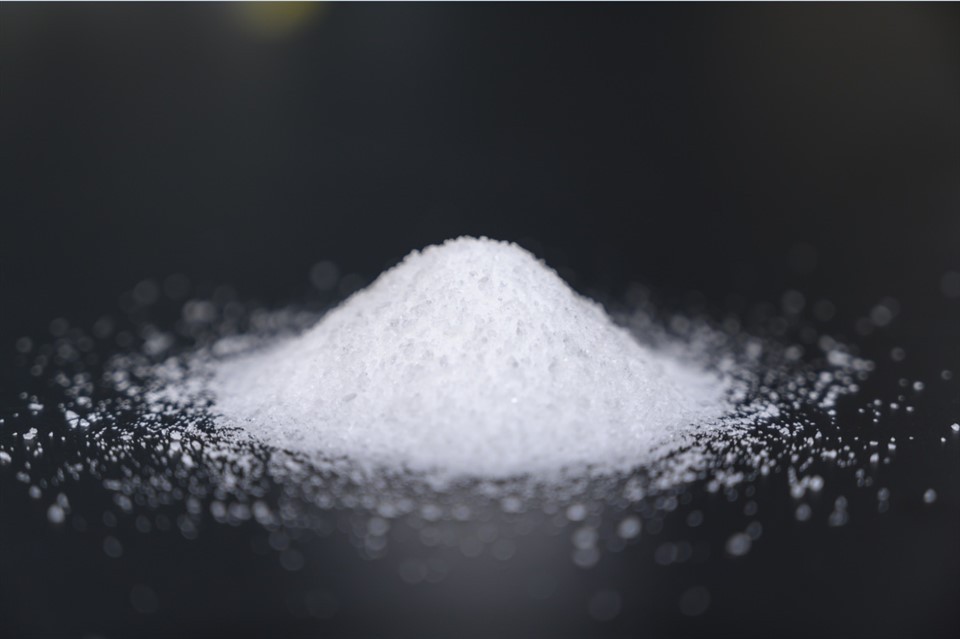

The Role of Polyacrylamide in Wastewater Treatment
Polyacrylamide is a water-soluble polymer that is widely used in various industries, including water treatment, papermaking, oilfield, and mining. In wastewater treatment, polyacrylamide is mainly used as a flocculant and coagulant aid. Flocculation is a process in which small particles are aggregated into larger flocs, which can then be easily separated from the water by sedimentation, filtration, or flotation. Coagulation is a process in which chemical agents are added to the water to neutralize the charges on the particles and promote their aggregation. Polyacrylamide can enhance the flocculation and coagulation processes by bridging the particles together and forming larger and stronger flocs.
Impact of Polyacrylamide on the Treatment of Dyeing Wastewater with High Suspended Solids
1. Improved Flocculation Efficiency
One of the main advantages of using polyacrylamide in the treatment of dyeing wastewater with high suspended solids is its ability to improve the flocculation efficiency. Polyacrylamide can adsorb on the surface of the suspended particles and form bridges between them, resulting in the formation of larger and stronger flocs. These flocs settle more quickly and are easier to separate from the water, which reduces the turbidity and color of the wastewater. In addition, polyacrylamide can also reduce the amount of coagulant required in the treatment process, which can save costs and reduce the environmental impact.
2. Enhanced Sedimentation and Filtration
Polyacrylamide can also enhance the sedimentation and filtration processes in the treatment of dyeing wastewater with high suspended solids. The larger and stronger flocs formed by polyacrylamide settle more quickly and are less likely to be re-suspended in the water. This improves the efficiency of sedimentation tanks and reduces the residence time required for sedimentation. In addition, polyacrylamide can also improve the filtration performance by reducing the clogging of filters and increasing the permeability of the filter media.
3. Removal of Dyes and Other Pollutants
Polyacrylamide can also help to remove dyes and other pollutants from dyeing wastewater. The flocs formed by polyacrylamide can adsorb the dyes and other pollutants on their surface and remove them from the water during the sedimentation and filtration processes. In addition, polyacrylamide can also react with the dyes and other pollutants in the wastewater and form insoluble complexes, which can be easily removed from the water.
4. Cost-Effectiveness
Using polyacrylamide in the treatment of dyeing wastewater with high suspended solids can be cost-effective. The improved flocculation efficiency and enhanced sedimentation and filtration processes can reduce the amount of coagulant and other chemicals required in the treatment process, which can save costs. In addition, the reduced clogging of pipes and filters can also reduce the maintenance and replacement costs of the treatment equipment.
Types of Polyacrylamide for Dyeing Wastewater Treatment
There are several types of polyacrylamide available for dyeing wastewater treatment, including anionic polyacrylamide, cationic polyacrylamide, and non-ionic polyacrylamide. The choice of polyacrylamide type depends on the characteristics of the wastewater, such as the pH, the concentration of suspended solids, and the type of dyes and other pollutants.
1. Anionic Polyacrylamide
Anionic polyacrylamide is suitable for the treatment of dyeing wastewater with high pH and low to medium levels of suspended solids. Anionic polyacrylamide can adsorb on the surface of the negatively charged suspended particles and form bridges between them, resulting in the formation of larger and stronger flocs. Anionic polyacrylamide is also effective in removing anionic dyes and other pollutants from the wastewater.
2. Cationic Polyacrylamide
Cationic polyacrylamide is suitable for the treatment of dyeing wastewater with low pH and high levels of suspended solids. Cationic polyacrylamide can adsorb on the surface of the positively charged suspended particles and form bridges between them, resulting in the formation of larger and stronger flocs. Cationic polyacrylamide is also effective in removing cationic dyes and other pollutants from the wastewater.
3. Non-ionic Polyacrylamide
Non-ionic polyacrylamide is suitable for the treatment of dyeing wastewater with neutral pH and low levels of suspended solids. Non-ionic polyacrylamide can adsorb on the surface of the suspended particles and form bridges between them, resulting in the formation of larger and stronger flocs. Non-ionic polyacrylamide is also effective in removing non-ionic dyes and other pollutants from the wastewater.
Other Applications of Polyacrylamide
Apart from its use in dyeing wastewater treatment, polyacrylamide has a wide range of other applications. For example, Polyacrylamide for Papermaking is used to improve the strength and quality of paper. In the papermaking process, polyacrylamide can help in fiber retention, drainage improvement, and formation enhancement. It also reduces the loss of fine fibers and fillers, leading to more efficient production.
Polyacrylamide Powder is a convenient form of polyacrylamide that can be easily dissolved in water and used in various applications. It is widely used in water treatment plants, industrial processes, and environmental protection projects.
In the oilfield industry, Polyacrylamide for Oil Field Displacing Agent is used to enhance oil recovery. Polyacrylamide can increase the viscosity of the displacing fluid, improve the sweep efficiency, and reduce the mobility ratio, thereby increasing the amount of oil recovered from the reservoir.
Conclusion
In conclusion, polyacrylamide plays a crucial role in the treatment of dyeing wastewater with high suspended solids. Its ability to improve flocculation efficiency, enhance sedimentation and filtration, remove dyes and other pollutants, and provide cost-effectiveness makes it an ideal choice for this challenging application. As a supplier of Polyacrylamide for Dyeing Wastewater, we are committed to providing high-quality products and excellent technical support to our customers. If you are facing challenges in treating dyeing wastewater with high suspended solids, we invite you to contact us for further discussion and to explore how our polyacrylamide products can meet your specific needs. We look forward to the opportunity to work with you and contribute to a cleaner and more sustainable environment.
References
- Liu, Y., & Li, X. (2018). Application of polyacrylamide in dyeing wastewater treatment. Environmental Science and Pollution Research, 25(27), 26689-26697.
- Wang, Y., & Zhang, H. (2019). Study on the flocculation performance of polyacrylamide in dyeing wastewater treatment. Journal of Water Resources and Protection, 11(03), 277-286.
- Zhang, L., & Chen, S. (2020). Effect of polyacrylamide on the treatment of dyeing wastewater with high suspended solids. Water Science and Technology, 81(03), 649-659.


