


What is the Optimal Dosage of Polyacrylamide Emulsion in Wastewater Treatment?
As a supplier of Polyacrylamide Emulsion, I've witnessed firsthand the critical role this product plays in wastewater treatment. Polyacrylamide Emulsion is a high - performance polymer widely used in various industries for its excellent flocculation and sedimentation properties. However, determining the optimal dosage of Polyacrylamide Emulsion in wastewater treatment is a complex yet crucial task.
The Importance of Polyacrylamide Emulsion in Wastewater Treatment
Wastewater treatment is essential for protecting the environment and public health. Industrial and municipal wastewaters often contain a variety of contaminants, including suspended solids, organic matter, and heavy metals. Polyacrylamide Emulsion helps in the removal of these contaminants by facilitating the aggregation of fine particles into larger flocs, which can then be easily separated from the water through sedimentation or filtration processes.
The use of Polyacrylamide Emulsion can significantly improve the efficiency of wastewater treatment. It reduces the turbidity of the water, decreases the chemical oxygen demand (COD), and enhances the overall quality of the treated water. In industries such as mining, papermaking, and food processing, the proper use of Polyacrylamide Emulsion can also lead to cost savings by reducing the consumption of other treatment chemicals and minimizing the volume of sludge generated.
Factors Affecting the Optimal Dosage
Several factors influence the optimal dosage of Polyacrylamide Emulsion in wastewater treatment. These factors need to be carefully considered to ensure effective treatment and cost - efficiency.
-
Wastewater Characteristics
The nature of the wastewater is a primary factor. Different sources of wastewater have varying compositions, including the type and concentration of suspended solids, pH level, temperature, and the presence of other chemicals. For example, wastewater from a mining operation may have a high concentration of heavy metals and large amounts of fine - grained solids, while wastewater from a food processing plant may contain a significant amount of organic matter. The optimal dosage of Polyacrylamide Emulsion will vary depending on these characteristics. -
Polyacrylamide Emulsion Properties
The properties of the Polyacrylamide Emulsion itself, such as its molecular weight, charge density, and degree of hydrolysis, also affect the dosage. Higher molecular weight polymers generally require lower dosages to achieve the same level of flocculation, as they can form larger and stronger flocs. Similarly, the charge density of the polymer needs to be matched with the charge of the suspended particles in the wastewater. If the charge is not properly balanced, the flocculation process may be ineffective, and higher dosages may be required. -
Treatment Process
The type of wastewater treatment process being used also impacts the optimal dosage. For instance, in a sedimentation tank, the dosage may need to be adjusted to ensure that the flocs settle quickly and completely. In a filtration system, the dosage should be optimized to prevent clogging of the filters. Additionally, the mixing conditions during the treatment process, such as the intensity and duration of mixing, can affect the performance of the Polyacrylamide Emulsion and thus the required dosage.
Methods for Determining the Optimal Dosage
To determine the optimal dosage of Polyacrylamide Emulsion, several methods can be employed.

-
Jar Testing
Jar testing is a commonly used laboratory method. It involves taking a series of wastewater samples and adding different dosages of Polyacrylamide Emulsion to each sample. The samples are then mixed under controlled conditions and allowed to settle. The effectiveness of the flocculation is evaluated by measuring parameters such as turbidity, sedimentation rate, and sludge volume. The dosage that produces the best results, such as the lowest turbidity and the fastest sedimentation rate, is considered the optimal dosage. -
Pilot - Scale Testing
Pilot - scale testing is conducted on a larger scale than jar testing. It involves setting up a small - scale wastewater treatment system that mimics the actual treatment process. This method provides more accurate results as it takes into account the real - world conditions, such as the flow rate, mixing intensity, and residence time in the treatment system. By adjusting the dosage of Polyacrylamide Emulsion in the pilot - scale system and monitoring the treatment performance, the optimal dosage can be determined more precisely. -
Mathematical Modeling
Mathematical modeling can also be used to predict the optimal dosage of Polyacrylamide Emulsion. These models take into account the wastewater characteristics, polymer properties, and treatment process parameters. By inputting the relevant data into the model, it can calculate the expected performance of the Polyacrylamide Emulsion at different dosages and recommend the optimal dosage. However, mathematical models require accurate data and may need to be calibrated based on experimental results.
Case Studies
Let's look at some real - world case studies to illustrate the importance of determining the optimal dosage.
In a mining operation, the wastewater contained a high concentration of fine - grained minerals and heavy metals. Initially, a high dosage of Polyacrylamide Emulsion was used, but the treatment results were not satisfactory, and the cost of the polymer was high. After conducting jar testing and pilot - scale testing, the optimal dosage was determined. By reducing the dosage to the optimal level, the flocculation efficiency improved significantly, the sedimentation rate increased, and the cost of the polymer was reduced by 30%.
In a papermaking plant, the wastewater had a high organic content and a relatively low pH. The initial dosage of Polyacrylamide Emulsion was not effective in removing the suspended solids. After adjusting the pH of the wastewater and optimizing the dosage of the polymer, the turbidity of the treated water decreased by 80%, and the quality of the treated water met the discharge standards.
The Role of Our Polyacrylamide Emulsion in Wastewater Treatment
Our company offers a wide range of Polyacrylamide Emulsion products suitable for different wastewater treatment applications. Our products are carefully formulated to have the right molecular weight, charge density, and other properties to ensure optimal performance.
For alumina red mud sedimentation, our Polyacrylamide for Alumina Red Mud Sedimentation is specifically designed to handle the unique characteristics of red mud wastewater. It can quickly form large and dense flocs, facilitating the sedimentation process and reducing the volume of the sludge.
In industrial wastewater treatment, our Polyacrylamide for Industrial Wastewater Treatment is effective in removing various contaminants, including suspended solids, organic matter, and heavy metals. It can be used in different treatment processes, such as sedimentation, flotation, and filtration.
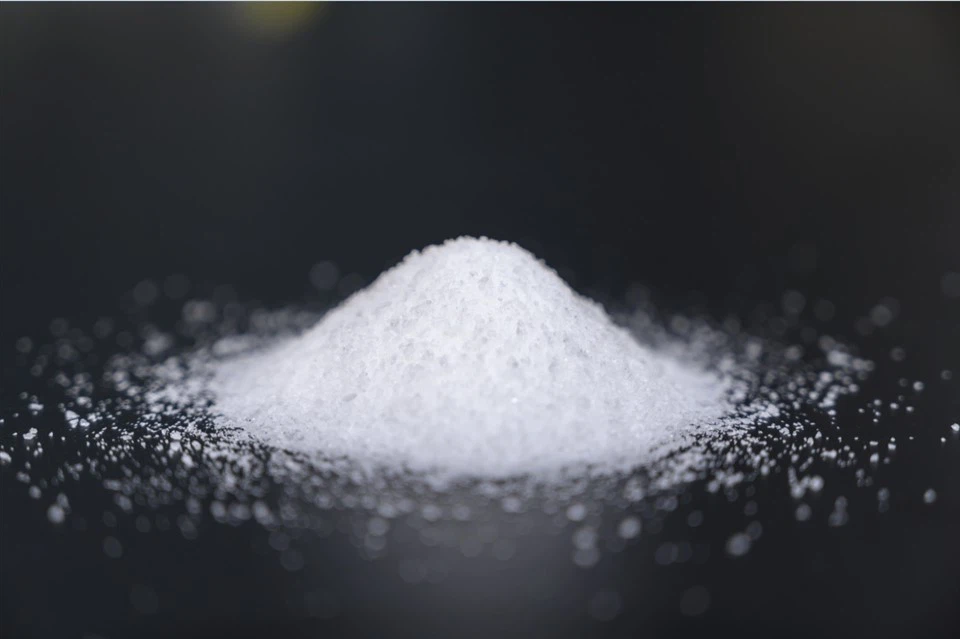
We also offer Polyacrylamide Powder for customers who prefer a different form of the product. Our powder products have excellent solubility and can be easily mixed with wastewater.
Conclusion
Determining the optimal dosage of Polyacrylamide Emulsion in wastewater treatment is a complex but essential task. It requires a thorough understanding of the wastewater characteristics, polymer properties, and treatment process. By using appropriate methods such as jar testing, pilot - scale testing, and mathematical modeling, the optimal dosage can be accurately determined, leading to effective treatment, cost savings, and environmental protection.
As a leading supplier of Polyacrylamide Emulsion, we are committed to providing high - quality products and technical support to our customers. If you are involved in wastewater treatment and are looking for the right Polyacrylamide Emulsion product and dosage solution, we invite you to contact us for further discussion and procurement. Our team of experts will be happy to assist you in finding the most suitable product and optimizing the treatment process.
References
- Environmental Protection Agency. (2018). Wastewater Treatment Technologies.
- Gregory, J., & Barany, F. (2006). Coagulation and Flocculation in Water and Wastewater Treatment. Spon Press.
- Letterman, R. D. (2005). Water Quality and Treatment: A Handbook of Community Water Supplies. McGraw - Hill.


