


As a supplier of Cationic Polyacrylamide, I often get asked whether it can be used in combination with other polymers. Well, the short answer is yes! But there's a lot more to it than that, so let's dive in and explore this topic in more detail.
First off, let's quickly go over what Cationic Polyacrylamide is. It's a type of polymer that's widely used in various industries, especially in water treatment and papermaking. It has a positive charge, which makes it super effective at attracting and binding with negatively charged particles. This property is what makes it so useful for flocculation, sedimentation, and dewatering processes.
Now, let's talk about why you might want to use Cationic Polyacrylamide in combination with other polymers. One of the main reasons is to enhance the overall performance of the treatment process. Different polymers have different properties, and by combining them, you can take advantage of the best features of each. For example, you might combine Cationic Polyacrylamide with an anionic polymer. Anionic polymers have a negative charge, and when used together with Cationic Polyacrylamide, they can create a more complex and effective flocculation structure. This can lead to better sedimentation rates and clearer water. You can learn more about Anionic Polyacrylamide on our website.
In the papermaking industry, using Cationic Polyacrylamide in combination with other polymers can also have significant benefits. Papermaking involves a complex process of forming a paper sheet from a suspension of fibers. Cationic Polyacrylamide can help with retention and drainage, but by combining it with other polymers, you can improve the strength and quality of the paper. For instance, some polymers can enhance the bonding between the fibers, while others can improve the surface properties of the paper. Check out our Polyacrylamide for Papermaking page for more information.
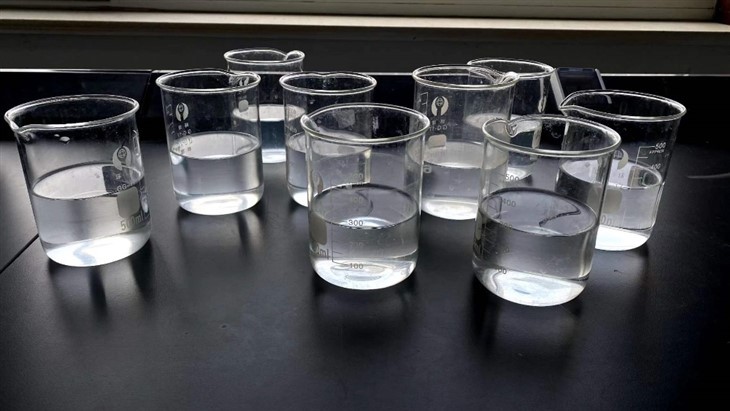

Another area where combining polymers can be useful is in industrial wastewater treatment. Industrial wastewater often contains a variety of contaminants, and using a single polymer might not be enough to treat it effectively. By using Cationic Polyacrylamide in combination with other polymers, you can target different types of contaminants. For example, some polymers are better at removing heavy metals, while others are more effective at removing organic matter. This can lead to a more comprehensive and efficient treatment process. You can find more details about Polyacrylamide for Industrial Wastewater Treatment on our site.
However, it's important to note that combining polymers isn't always a straightforward process. There are several factors that you need to consider. First of all, the compatibility of the polymers is crucial. Not all polymers will work well together, and using incompatible polymers can actually reduce the effectiveness of the treatment process. You need to make sure that the polymers you're using have similar chemical properties and won't react negatively with each other.
The dosage of each polymer is also important. Using too much or too little of a polymer can have a significant impact on the results. You need to find the right balance to achieve the best performance. This often requires some trial and error, as the optimal dosage can vary depending on the specific application and the characteristics of the wastewater or the process you're treating.
The order of addition of the polymers can also make a difference. In some cases, adding one polymer before the other can lead to better results. For example, in a flocculation process, adding the Cationic Polyacrylamide first and then the anionic polymer might create a more stable floc structure. But again, this can vary depending on the specific situation.
When it comes to combining Cationic Polyacrylamide with other polymers, it's always a good idea to do some testing first. You can conduct small-scale experiments in a laboratory to see how different combinations of polymers work. This can help you determine the best combination, dosage, and order of addition for your specific application.
In conclusion, Cationic Polyacrylamide can definitely be used in combination with other polymers, and there are many potential benefits to doing so. Whether you're in the papermaking industry, industrial wastewater treatment, or other fields, combining polymers can enhance the performance of your treatment processes and lead to better results. But it's important to approach it with care and do your research to ensure that you're using the right polymers in the right way.
If you're interested in learning more about using Cationic Polyacrylamide in combination with other polymers or have any questions about our products, feel free to reach out to us. We're here to help you find the best solutions for your specific needs. Contact us to start a procurement discussion and see how we can assist you in achieving your treatment goals.
References
- "Polymer Science and Technology" by Morton M. Denn
- "Water Treatment Handbook" by Water Treatment Society


