


Can Cationic Polyacrylamide be used in the electroplating industry?
Hey there! I'm a supplier of cationic polyacrylamide, and I often get asked if our product can be used in the electroplating industry. Well, let's dig into this topic and find out.
First off, let's understand what cationic polyacrylamide is. It's a type of polymer that has a positive charge. This positive charge gives it some unique properties that make it useful in various applications. We also have other types of polyacrylamide in our product range, like Polyacrylamide for Oil Field Displacing Agent, Polyacrylamide Emulsion, and Anionic Polyacrylamide.
Now, let's talk about the electroplating industry. Electroplating is a process where a thin layer of metal is deposited onto an object using an electric current. This process is used in a wide range of industries, from automotive to jewelry, to improve the appearance, durability, and corrosion resistance of the objects.
One of the main challenges in the electroplating industry is dealing with the wastewater generated during the process. This wastewater contains various contaminants, such as heavy metals, organic compounds, and suspended solids. If not properly treated, this wastewater can have a significant impact on the environment.
This is where cationic polyacrylamide comes in. Due to its positive charge, cationic polyacrylamide can effectively flocculate and coagulate the negatively charged suspended solids and colloids in the electroplating wastewater. When added to the wastewater, it forms large flocs that can easily settle out or be filtered, removing the contaminants from the water.
Let's take a closer look at how it works. The positively charged groups on the cationic polyacrylamide molecules attract the negatively charged particles in the wastewater. This attraction causes the particles to come together and form larger aggregates. These aggregates are then easier to separate from the water, either by sedimentation or filtration.
In addition to its flocculation properties, cationic polyacrylamide can also help in the dewatering of sludge generated during the wastewater treatment process. The sludge in electroplating wastewater often contains a high amount of water, and dewatering it is crucial for reducing its volume and making it easier to handle and dispose of. Cationic polyacrylamide can improve the dewatering efficiency by binding the water molecules and reducing the water content in the sludge.
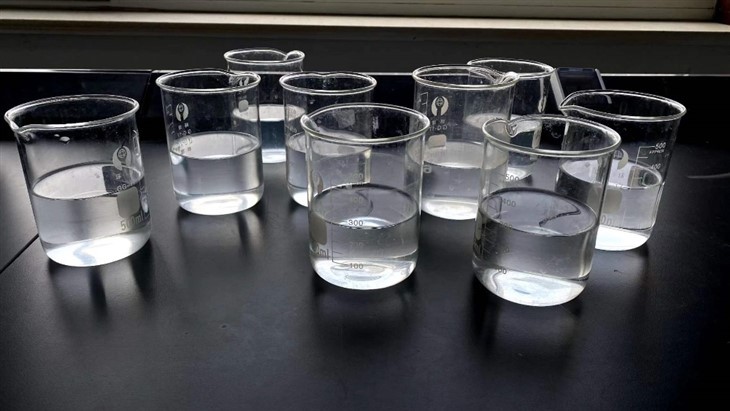
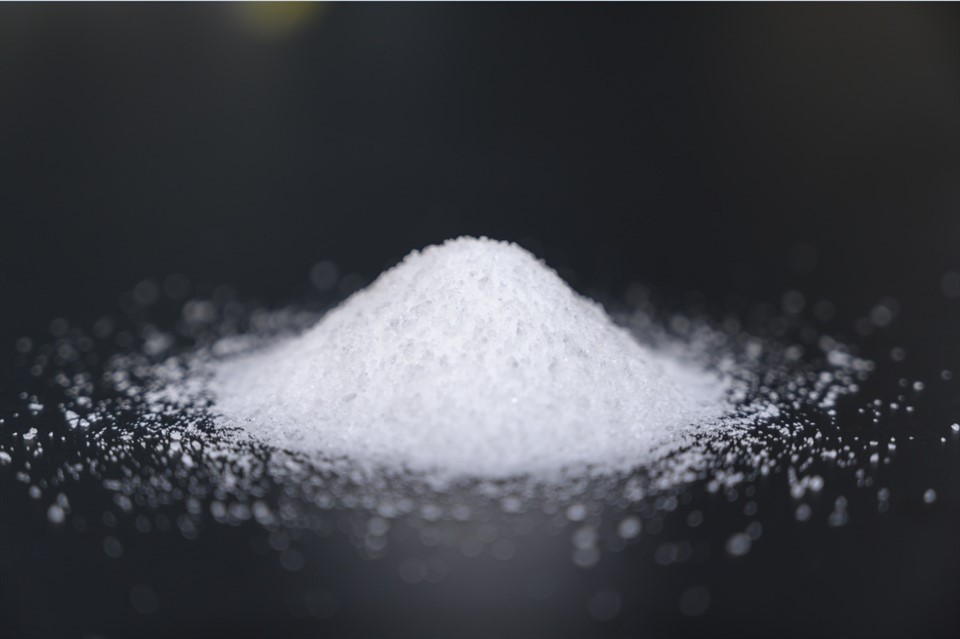
However, using cationic polyacrylamide in the electroplating industry isn't without its considerations. The dosage of the polymer needs to be carefully controlled. If too little is added, the flocculation and dewatering effects may not be sufficient. On the other hand, if too much is added, it can lead to increased costs and may even cause problems in the treatment process, such as excessive foaming.
The pH of the wastewater also plays an important role. Cationic polyacrylamide works best within a certain pH range. In the electroplating industry, the pH of the wastewater can vary depending on the specific electroplating process and the chemicals used. So, it's necessary to adjust the pH of the wastewater to the optimal range for the cationic polyacrylamide to work effectively.
Another factor to consider is the compatibility of cationic polyacrylamide with other chemicals used in the electroplating process. Some chemicals may react with the polymer and reduce its effectiveness. Therefore, it's important to test the compatibility of the cationic polyacrylamide with the existing chemicals in the electroplating system before large - scale use.
In my experience as a supplier, I've seen many electroplating companies successfully use cationic polyacrylamide in their wastewater treatment processes. They've noticed a significant improvement in the quality of the treated water and a reduction in the volume of sludge. This not only helps them meet the environmental regulations but also saves them money in the long run.
If you're in the electroplating industry and are looking for an effective solution for wastewater treatment and sludge dewatering, cationic polyacrylamide could be the answer. Our company offers high - quality cationic polyacrylamide products that are specifically formulated to meet the needs of the electroplating industry.
We understand that every electroplating process is unique, and we're more than willing to work with you to find the best solution for your specific situation. Whether it's determining the right dosage, adjusting the pH, or ensuring compatibility with other chemicals, our team of experts is here to assist you.
So, if you're interested in learning more about how our cationic polyacrylamide can benefit your electroplating operations, don't hesitate to reach out. We're looking forward to having a discussion with you and helping you find the perfect solution for your wastewater treatment needs.
References:
- "Wastewater Treatment in the Electroplating Industry" - A comprehensive study on electroplating wastewater treatment methods and technologies.
- "Polyacrylamide Applications in Industrial Wastewater Treatment" - Research on the use of polyacrylamide polymers in different industrial wastewater treatment processes.


