


Acrylamide is a chemical compound that has drawn significant attention in the food safety realm due to its potential health risks. As an acrylamide supplier, I've witnessed firsthand the growing concerns and questions surrounding acrylamide, especially in relation to cooking methods. In this blog, we'll explore how different cooking methods can affect acrylamide formation and what it means for both consumers and industries.
Understanding Acrylamide
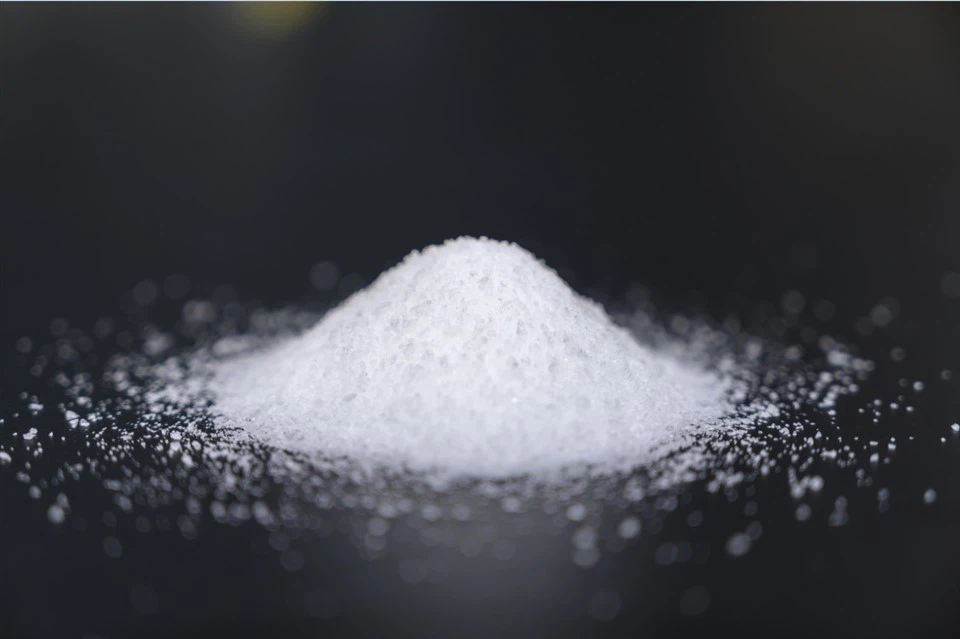
Acrylamide is a white, odorless, crystalline solid that is soluble in water. It is widely used in various industrial applications, such as in the production of polymers for water treatment, paper manufacturing, and textile processing. In the context of food, acrylamide is formed through the Maillard reaction, a chemical reaction between amino acids and reducing sugars that occurs when foods are cooked at high temperatures. This reaction is responsible for the browning and flavor development in many cooked foods, but it also leads to the formation of acrylamide.
Cooking Methods and Acrylamide Formation
Frying
Frying is one of the most common cooking methods that can lead to high levels of acrylamide formation. When foods are fried, they are exposed to high temperatures for an extended period, which promotes the Maillard reaction. Potatoes are particularly susceptible to acrylamide formation when fried, as they are rich in both reducing sugars and asparagine, an amino acid that plays a key role in acrylamide formation. French fries and potato chips are notorious for their high acrylamide content, with levels often exceeding the recommended limits set by food safety authorities.
Baking
Baking is another cooking method that can result in acrylamide formation. Similar to frying, baking involves high temperatures, which can trigger the Maillard reaction. Bread, cookies, and other baked goods can contain significant amounts of acrylamide, especially if they are baked at high temperatures for a long time. The acrylamide content in baked goods can also be influenced by the type of flour used, as well as the addition of sugar and other ingredients.
Roasting
Roasting is a dry-heat cooking method that is commonly used for meats, vegetables, and nuts. While roasting can enhance the flavor and texture of foods, it can also lead to acrylamide formation. Vegetables such as carrots, beets, and sweet potatoes are particularly prone to acrylamide formation when roasted, as they contain high levels of reducing sugars. The acrylamide content in roasted foods can be affected by factors such as the roasting temperature, time, and the size and shape of the food.

Boiling and Steaming
Boiling and steaming are cooking methods that involve the use of water or steam to cook foods. These methods are generally considered to be safer in terms of acrylamide formation, as they do not involve high temperatures or the Maillard reaction. However, it's important to note that boiling and steaming can still lead to the formation of acrylamide if the water used contains high levels of acrylamide precursors, such as asparagine and reducing sugars.
Factors Affecting Acrylamide Formation
In addition to cooking methods, several other factors can affect acrylamide formation in foods. These include:
- Food Composition: The type of food and its composition play a significant role in acrylamide formation. Foods that are rich in reducing sugars and asparagine, such as potatoes, cereals, and coffee, are more likely to form acrylamide when cooked at high temperatures.
- Cooking Temperature and Time: The higher the cooking temperature and the longer the cooking time, the more acrylamide is likely to be formed. It's important to follow recommended cooking times and temperatures to minimize acrylamide formation.
- pH: The pH of the food can also affect acrylamide formation. Foods with a lower pH are less likely to form acrylamide, as the Maillard reaction is inhibited at acidic conditions.
- Storage Conditions: The storage conditions of foods can also influence acrylamide formation. Potatoes, for example, should be stored at temperatures above 8°C to prevent the accumulation of reducing sugars, which can increase acrylamide formation during cooking.
Implications for Consumers and Industries
The presence of acrylamide in foods has raised concerns among consumers and food safety authorities. While the health effects of acrylamide are still being studied, it is classified as a probable human carcinogen by the International Agency for Research on Cancer (IARC). As a result, many countries have set limits on the acrylamide content in foods and have recommended measures to reduce acrylamide formation during food processing and cooking.
For consumers, it's important to be aware of the cooking methods that can lead to acrylamide formation and to take steps to minimize their exposure. This can include choosing cooking methods that involve lower temperatures, such as boiling and steaming, and avoiding overcooking foods. It's also a good idea to vary your diet and include a variety of foods to reduce your overall exposure to acrylamide.
For industries, reducing acrylamide formation in foods is a major challenge. Food manufacturers are constantly looking for ways to reduce acrylamide levels in their products while maintaining the taste, texture, and quality of their foods. This can involve using alternative ingredients, adjusting cooking processes, and implementing quality control measures to monitor acrylamide levels.
Our Acrylamide Products
As an acrylamide supplier, we offer a range of high-quality acrylamide products to meet the needs of various industries. Our products include Acrylamide Liquid, Acrylamide for Medicines Pesticides, and Acrylamide 98%. We are committed to providing our customers with safe and reliable products that meet the highest quality standards.
Contact Us for Procurement
If you are interested in purchasing our acrylamide products or have any questions about acrylamide formation in foods, please feel free to contact us. We have a team of experts who can provide you with detailed information and guidance on our products and services. We look forward to working with you and helping you meet your acrylamide needs.
References
- European Food Safety Authority (EFSA). (2015). Scientific Opinion on acrylamide in food. EFSA Journal, 13(12), 4205.
- International Agency for Research on Cancer (IARC). (1994). Monographs on the evaluation of carcinogenic risks to humans: Some industrial chemicals. Volume 60. IARC, Lyon, France.
- U.S. Food and Drug Administration (FDA). (2017). Acrylamide in foods: Guidance for industry. FDA, Silver Spring, MD.


