


Hey there! As a supplier of Polyacrylamide Powder, I often get asked about how this amazing stuff works in oil - water separation. So, let's dive right in and break it down.
The Basics of Oil - Water Separation
First off, oil - water separation is a crucial process in many industries, like oil and gas, wastewater treatment, and even food processing. In these industries, you've got mixtures of oil and water that need to be separated. Why? Well, for environmental reasons, to recover valuable oil, or to ensure that the water can be reused safely.
But separating oil and water isn't always easy. Oil and water don't mix well, but they can form emulsions where tiny droplets of oil are suspended in water or vice versa. These emulsions can be really stable, and that's where Polyacrylamide Powder comes in.
What is Polyacrylamide Powder?
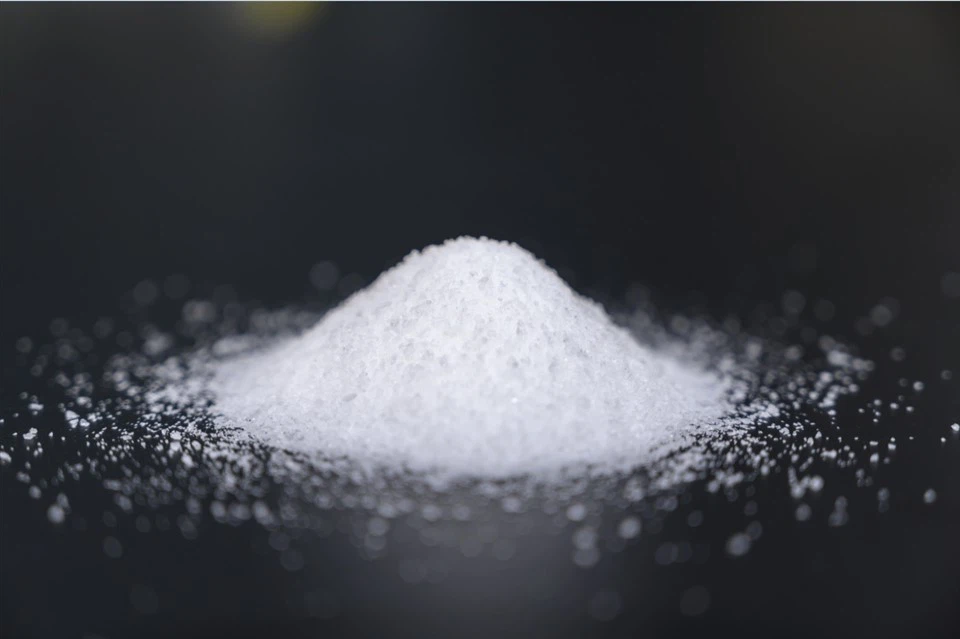
Polyacrylamide is a synthetic polymer made up of acrylamide monomers. It comes in different forms, like the powder we supply. There are also other types such as Polyacrylamide Emulsion and Cationic Polyacrylamide. The powder form is popular because it's easy to store, transport, and handle.
The key feature of polyacrylamide is its ability to form long chains. These chains can interact with other substances in different ways, which is super important for oil - water separation.
How Polyacrylamide Powder Works in Oil - Water Separation
Flocculation
One of the main ways polyacrylamide powder works is through flocculation. When you add polyacrylamide powder to an oil - water mixture, the long polymer chains start to spread out in the solution. These chains can attract and bind to the oil droplets and other suspended particles in the water.
As the polymer chains connect with multiple oil droplets and particles, they form larger aggregates called flocs. These flocs are much heavier than individual oil droplets or particles, so they start to settle down more quickly. This process is called sedimentation.
For example, in an oil - contaminated wastewater treatment plant, adding polyacrylamide powder can cause the oil droplets to clump together. These larger flocs then sink to the bottom of the tank, making it easier to separate the oil from the water.
Charge Neutralization
Another important mechanism is charge neutralization. Many oil droplets and suspended particles in water carry an electric charge. Polyacrylamide can have different charges depending on its type. For instance, Cationic Polyacrylamide has a positive charge.
When you add a charged polyacrylamide to the oil - water mixture, it can neutralize the charge on the oil droplets and particles. This reduces the electrostatic repulsion between them, allowing them to come closer together and form flocs.
Imagine you have two magnets with the same pole facing each other. They repel each other. But if you neutralize the magnetic field, they can stick together. Similarly, charge neutralization helps the oil droplets and particles in water to aggregate.
Bridging
Polyacrylamide chains can also act as bridges between different oil droplets and particles. The long chains can attach to multiple particles at different points. This creates a network that holds the particles together and forms larger flocs.
For example, in a mineral processing plant where oil - water separation is part of the process, polyacrylamide can bridge between the oil - coated minerals and other impurities. This helps in separating the valuable minerals from the oil - water mixture. You can learn more about this in our Polyacrylamide for Mineral Separation page.
Factors Affecting the Performance of Polyacrylamide Powder in Oil - Water Separation
Dosage
The amount of polyacrylamide powder you add is crucial. If you add too little, it won't be able to form enough flocs, and the separation won't be effective. On the other hand, if you add too much, it can lead to over - flocculation. This can make the flocs too large and fragile, and they might break apart easily.
pH
The pH of the oil - water mixture also affects the performance of polyacrylamide. Different types of polyacrylamide work best at different pH levels. For example, some anionic polyacrylamides work better in alkaline conditions, while cationic ones might be more effective in acidic conditions.
Temperature
Temperature can influence the solubility and reactivity of polyacrylamide. In general, higher temperatures can increase the rate of reaction, but if it's too hot, it can also degrade the polymer chains. So, it's important to find the right temperature range for optimal performance.
Advantages of Using Polyacrylamide Powder in Oil - Water Separation
High Efficiency
Polyacrylamide powder can significantly improve the efficiency of oil - water separation. It can reduce the time needed for sedimentation and increase the clarity of the separated water.
Cost - Effective
Compared to some other separation methods, using polyacrylamide powder is relatively cost - effective. You don't need large amounts of it to achieve good results, and it can be easily incorporated into existing separation processes.
Environmentally Friendly
Polyacrylamide is biodegradable under certain conditions. This means that it won't cause long - term environmental pollution. It also helps in reducing the amount of oil and other contaminants in the water, which is great for the environment.
Applications of Polyacrylamide Powder in Oil - Water Separation
Oil and Gas Industry
In the oil and gas industry, polyacrylamide powder is used in oilfield wastewater treatment. It helps in separating the oil from the produced water, which can then be reused or disposed of safely.
Wastewater Treatment Plants
Wastewater treatment plants often receive oil - contaminated water from various sources. Polyacrylamide powder can be used to remove the oil and other suspended solids, making the water suitable for further treatment or discharge.
Food Processing Industry
In the food processing industry, oil - water separation is important for recycling cooking oil and treating wastewater. Polyacrylamide powder can help in separating the oil from the water, reducing waste and improving the efficiency of the process.

Contact Us for Your Polyacrylamide Powder Needs
If you're interested in using polyacrylamide powder for oil - water separation in your industry, we'd love to hear from you. We're a reliable supplier of high - quality polyacrylamide powder, and we can provide you with the right product based on your specific needs. Whether you need help with dosage calculation, understanding the best type of polyacrylamide for your application, or anything else related to oil - water separation, our team of experts is here to assist you. Just reach out to us, and let's start a discussion about how we can solve your oil - water separation challenges together.
References
- Gregory, J. (2006). Coagulation and flocculation: theory and practice. Water research, 40(1), 3-18.
- Sharma, S., & Bhattacharya, K. (2017). Application of polyacrylamide and its derivatives in water treatment. Journal of water process engineering, 15, 174-186.
- Wei, Y., & Li, X. (2019). Research progress on the application of polyacrylamide in oilfield wastewater treatment. Journal of Environmental Chemical Engineering, 7(3), 103032.


