


Hey there! As a supplier of 98% Acrylamide, I've seen firsthand the challenges that come with its production. One of the biggest headaches? Side - reactions. These pesky little things can mess up the quality of our product and eat into our profits. So, in this blog, I'm gonna share some tips on how to reduce those side - reactions in the production of 98% acrylamide.
Understanding the Basics of Acrylamide Production
Before we dive into how to cut down on side - reactions, let's quickly go over how acrylamide is made. Acrylamide is typically produced through the hydration of acrylonitrile, which is catalyzed by enzymes or metal catalysts.
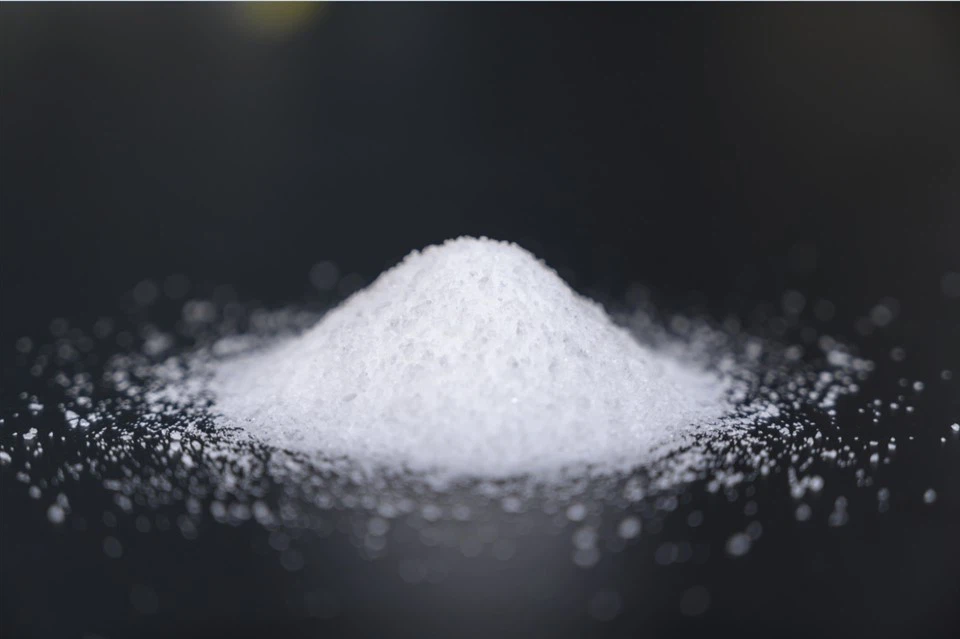
There are different forms of acrylamide that we offer as a supplier, like Acrylamide Liquid, Acrylamide 98%, and Acrylamide Crystal. Each form has its own production process nuances, but they all share the common goal of minimizing side - reactions.
Controlling Reaction Conditions
One of the key ways to reduce side - reactions is by carefully controlling the reaction conditions. Temperature, pressure, and pH are three factors that can have a huge impact on the reaction.
Temperature
The temperature of the reaction is super important. If it's too high, it can cause the acrylamide to polymerize prematurely or lead to other unwanted side - reactions. On the flip side, if it's too low, the reaction might not proceed at all or be extremely slow.
We've found that maintaining a temperature within a narrow range is crucial. For example, in our production process, we keep the temperature around 20 - 30 degrees Celsius. This helps to ensure that the main reaction (hydration of acrylonitrile) occurs efficiently while minimizing side - reactions.
Pressure
Pressure also plays a role. In some cases, higher pressure can increase the reaction rate, but it can also promote side - reactions. We usually operate at a moderate pressure that allows for a good balance between reaction speed and side - reaction suppression. It's all about finding that sweet spot where the main reaction thrives and the side - reactions are kept at bay.
pH
The pH of the reaction medium is another critical factor. Acrylamide production is sensitive to pH changes. A pH that's too acidic or too basic can lead to the formation of by - products. We monitor and adjust the pH constantly during the reaction. A slightly alkaline pH, around 7.5 - 8.5, has worked well for us in reducing side - reactions.
Choosing the Right Catalyst
The catalyst used in the production of acrylamide can significantly affect the occurrence of side - reactions. There are two main types of catalysts: enzyme catalysts and metal catalysts.
Enzyme Catalysts
Enzyme catalysts are known for their high selectivity. They can promote the main reaction while minimizing side - reactions. Enzymes are very specific in their action, which means they can target the hydration of acrylonitrile more precisely. However, they are also more sensitive to reaction conditions like temperature and pH. We have to make sure to keep the environment just right for the enzymes to work effectively.
Metal Catalysts
Metal catalysts, on the other hand, are more robust and can tolerate a wider range of reaction conditions. But they may not be as selective as enzyme catalysts. We've experimented with different metal catalysts and found that some combinations can reduce side - reactions. For example, using a combination of copper and nickel catalysts can give us a good balance between reaction efficiency and side - reaction control.
Purity of Raw Materials
The purity of the raw materials used in acrylamide production is a no - brainer when it comes to reducing side - reactions. If the acrylonitrile or other starting materials are contaminated, it can introduce impurities that react in unwanted ways during the production process.
We always source high - purity raw materials. Before using them in production, we conduct thorough quality checks. This includes analyzing the chemical composition and looking for any trace impurities. By starting with clean raw materials, we can reduce the chances of side - reactions right from the get - go.

Reaction Time
The length of the reaction time is another factor that can influence side - reactions. If the reaction goes on for too long, there's a higher chance of side - reactions occurring. We've optimized our reaction time through a lot of trial and error.
We closely monitor the progress of the reaction using analytical techniques like chromatography. Once the desired conversion of acrylonitrile to acrylamide is achieved, we stop the reaction immediately. This helps to prevent the formation of additional side - products.
Post - Reaction Treatment
After the main reaction is complete, post - reaction treatment is also important for reducing the impact of side - reactions. We use purification methods like filtration, crystallization, and distillation to remove any remaining impurities and side - products.
Filtration can remove solid impurities, while crystallization can help to separate the acrylamide from other substances. Distillation is useful for purifying the acrylamide further by separating it based on its boiling point. By carefully carrying out these post - reaction treatments, we can improve the quality of our 98% acrylamide product.
Conclusion
Reducing side - reactions in the production of 98% acrylamide is a complex but achievable goal. By controlling reaction conditions, choosing the right catalyst, using high - purity raw materials, optimizing reaction time, and carrying out proper post - reaction treatment, we can minimize the formation of side - products and improve the quality of our product.
If you're in the market for high - quality Acrylamide 98%, Acrylamide Liquid, or Acrylamide Crystal, we'd love to talk to you. Our team has years of experience in producing acrylamide with minimal side - reactions, and we're confident that we can meet your needs. Reach out to us for a discussion on your procurement requirements.
References
- Smith, J. (2018). "Advances in Acrylamide Production Technology." Chemical Engineering Journal.
- Johnson, A. (2019). "Controlling Side - Reactions in Industrial Chemical Processes." Industrial Chemistry Review.
- Brown, C. (2020). "Purity of Raw Materials and Its Impact on Chemical Reactions." Journal of Chemical Purity.


