


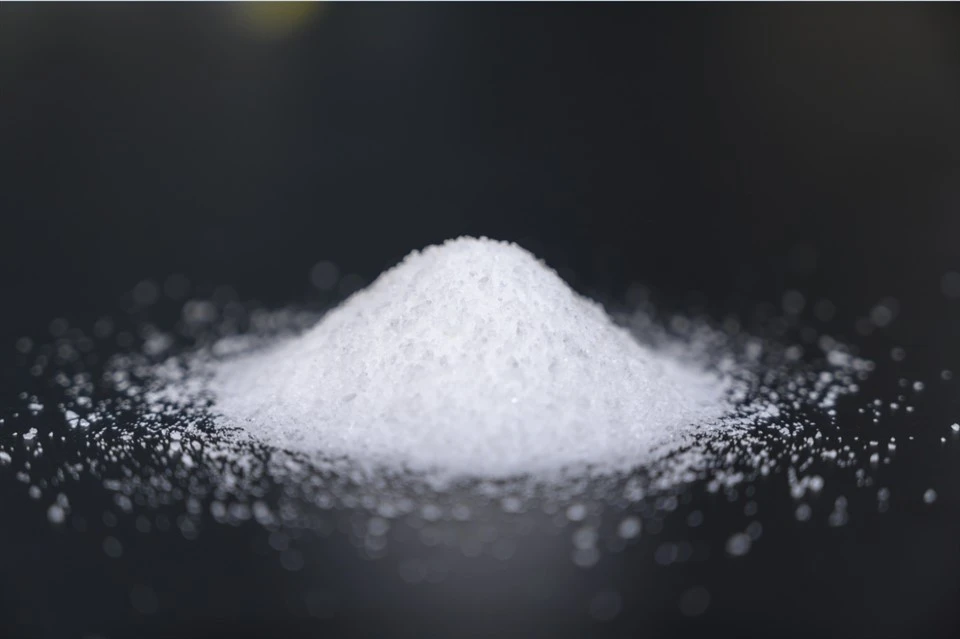
As a supplier of Non - ionic Polyacrylamide, I have witnessed firsthand the widespread applications and unique properties of this polymer. Non - ionic Polyacrylamide (NPAM) is a high - molecular - weight polymer known for its excellent flocculation, thickening, and rheological control capabilities. It is commonly used in various industries such as water treatment, papermaking, and mining. However, when it comes to using NPAM in combination with other polymers, there are several compatibility issues that need to be carefully considered.
Chemical Structure and Compatibility Fundamentals
The compatibility of Non - ionic Polyacrylamide with other polymers is largely determined by their chemical structures. NPAM is a non - ionic polymer, which means it has no charged groups in its molecular chain under normal conditions. This non - ionic nature gives it certain advantages, such as good stability in a wide range of pH values.
When mixing NPAM with other polymers, the first thing to consider is the charge characteristics of the other polymers. For example, anionic polymers have negatively charged groups on their molecular chains, while cationic polymers have positively charged groups. If NPAM is mixed with an anionic polymer, there may be relatively less electrostatic interaction because of the non - ionic nature of NPAM. However, if the anionic polymer has a strong hydrophobic part, it may lead to phase separation due to differences in solubility and hydrophobic - hydrophilic balance.
On the other hand, when NPAM is combined with a cationic polymer, electrostatic attraction may occur. This can lead to the formation of complexes between the two polymers. In some cases, this complex formation can be beneficial, such as in enhancing the flocculation effect. But if the complexation is too strong, it may result in the precipitation of the polymer mixture, reducing the effectiveness of both polymers.
Compatibility in Water Treatment Applications
In water treatment, Non - ionic Polyacrylamide is often used in combination with other polymers to improve the treatment efficiency. For instance, in the treatment of municipal sewage, NPAM can be used together with other flocculants. You can learn more about Polyacrylamide for Municipal Sewage.
When treating municipal sewage, NPAM may be combined with anionic polyacrylamide. The anionic polyacrylamide can effectively remove negatively charged suspended solids, while NPAM can further improve the flocculation and sedimentation process. However, the dosage ratio of the two polymers needs to be carefully adjusted. If the anionic polyacrylamide content is too high, it may cause excessive electrostatic repulsion between the flocs and the NPAM, reducing the overall flocculation effect.
In the treatment of alumina red mud sedimentation, NPAM can also be used in combination with other polymers. Polyacrylamide for Alumina Red Mud Sedimentation provides more details on this application. The red mud contains a large amount of fine particles and colloids. NPAM can help in the aggregation of these particles. But when combined with other polymers, such as those used to adjust the pH or surface properties of the red mud, compatibility issues may arise. For example, if a polymer that changes the surface charge of the red mud particles is added, it may affect the adsorption and flocculation behavior of NPAM.
Compatibility in Mineral Separation
In mineral separation, Non - ionic Polyacrylamide is widely used to improve the efficiency of solid - liquid separation. It can be used in combination with other polymers in Polyacrylamide for Mineral Separation.
When NPAM is used with other polymers in mineral separation, the particle size and surface properties of the minerals play a crucial role. For example, in the separation of fine - grained minerals, NPAM may be combined with a polymer that can increase the viscosity of the slurry. However, if the viscosity - increasing polymer has a different solubility or molecular weight distribution from NPAM, it may cause problems such as uneven mixing or the formation of flocs with different strengths.
In some cases, the presence of other chemicals in the mineral separation process, such as collectors and depressants, can also affect the compatibility of NPAM with other polymers. These chemicals may interact with the polymers, changing their chemical and physical properties. For example, a collector may adsorb on the surface of the minerals and prevent the effective adsorption of NPAM, reducing its flocculation ability.
Compatibility in Papermaking
In the papermaking industry, Non - ionic Polyacrylamide is used as a retention and drainage aid. It can be used in combination with other polymers such as starch and polyvinyl alcohol.
When NPAM is mixed with starch, the compatibility depends on the type and degree of modification of the starch. Native starch has a different molecular structure from NPAM. If the starch is not properly modified, it may not be well - miscible with NPAM, leading to poor retention and drainage performance. However, if the starch is modified to have similar solubility and charge characteristics as NPAM, they can work together effectively to improve the paper - making process.
Polyvinyl alcohol is another polymer that may be used in combination with NPAM in papermaking. The compatibility between them is affected by factors such as the degree of hydrolysis of polyvinyl alcohol. A highly hydrolyzed polyvinyl alcohol may have different hydrophilicity compared to NPAM, which can cause phase separation or uneven distribution in the paper - making system.
Factors Affecting Compatibility
Several factors can affect the compatibility of Non - ionic Polyacrylamide with other polymers. Temperature is one of the important factors. An increase in temperature can change the solubility and molecular motion of polymers. For some polymer mixtures, an increase in temperature may improve the compatibility by increasing the diffusion rate of the polymer molecules. However, for others, it may cause thermal degradation or phase separation.
The pH value of the solution also plays a significant role. Although NPAM is relatively stable in a wide range of pH values, some other polymers may be sensitive to pH. For example, anionic polymers may have different degrees of ionization at different pH values, which can affect their interaction with NPAM.
The concentration of the polymers is another factor. At low concentrations, the polymers may be more likely to mix uniformly. But as the concentration increases, the probability of polymer - polymer interaction increases, which may lead to the formation of aggregates or phase separation.
Testing and Evaluation of Compatibility
To ensure the proper use of Non - ionic Polyacrylamide in combination with other polymers, it is necessary to conduct compatibility tests. These tests can include visual inspection of the polymer mixture to check for phase separation, measurement of the viscosity of the mixture to evaluate the degree of interaction, and analysis of the flocculation performance using techniques such as jar tests.
In jar tests, different ratios of NPAM and other polymers are added to the sample solution, and the flocculation process is observed. The size and strength of the flocs, as well as the settling rate, can provide information about the compatibility and effectiveness of the polymer mixture.
Conclusion
In conclusion, the compatibility of Non - ionic Polyacrylamide with other polymers is a complex issue that depends on many factors such as chemical structure, application environment, and process conditions. As a supplier of Non - ionic Polyacrylamide, I understand the importance of providing customers with accurate information and technical support to ensure the proper use of our products in combination with other polymers.
If you are interested in using Non - ionic Polyacrylamide in your industry and need to know more about its compatibility with other polymers, or if you want to discuss purchasing and application details, please feel free to contact us. We are committed to providing high - quality products and professional solutions to meet your specific needs.
References
- Gregory, J. (1993). Coagulation and flocculation: a review. Water Research, 27(8), 1205 - 1218.
- Zhou, S., & Pelton, R. H. (2000). Compatibility of polyacrylamide with other polymers in aqueous solutions. Polymer International, 49(11), 1331 - 1336.
- Liu, Y., & Dai, S. (2015). Application of polyacrylamide in water treatment. Journal of Environmental Sciences, 37, 1 - 10.


