


Hey there! I'm a supplier of Polyacrylamide for Mineral Separation, and today I want to chat about the effects of polyacrylamide on the separation of iron ore. Iron ore separation is a crucial process in the mining industry, and polyacrylamide plays a significant role in making it more efficient.
How Polyacrylamide Works in Iron Ore Separation
First off, let's understand the basics. Polyacrylamide is a water - soluble polymer that comes in different types, such as anionic, cationic, and non - ionic. In iron ore separation, anionic polyacrylamide is the most commonly used type.
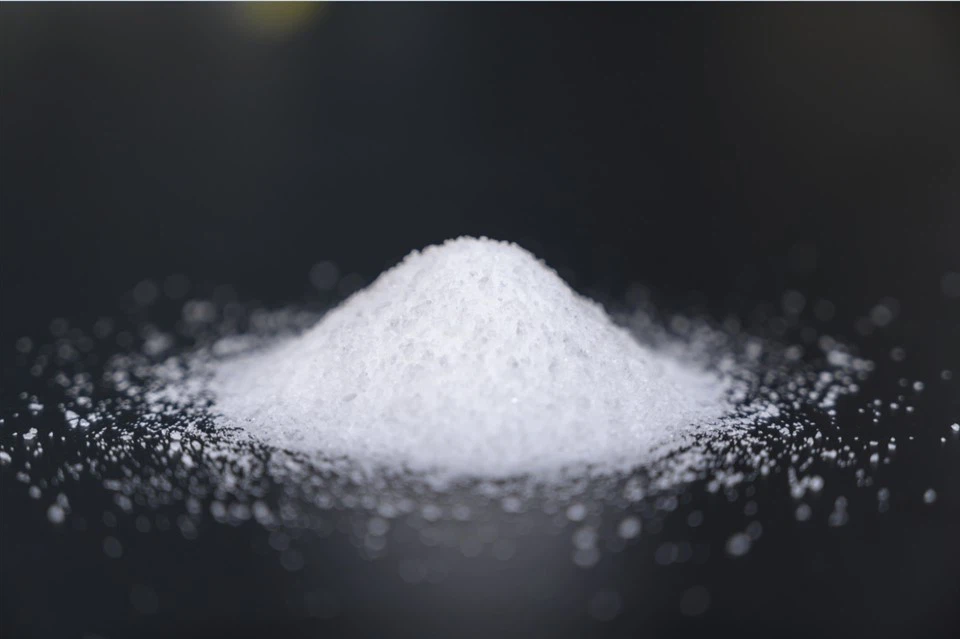
One of the main effects of polyacrylamide is its ability to act as a flocculant. When added to the iron ore slurry, polyacrylamide molecules adsorb onto the surface of the iron ore particles. The long - chain polymer structure of polyacrylamide then bridges these particles together, forming larger flocs. These flocs settle much faster than individual particles, which is super important in the sedimentation process.
In the sedimentation tanks of iron ore processing plants, the rapid settling of flocs allows for quicker separation of the solid iron ore from the liquid phase. This means that the processing time can be significantly reduced, and the throughput of the plant can be increased. For example, without polyacrylamide, the settling time of iron ore particles might be several hours, but with the addition of the right amount of polyacrylamide, it can be reduced to just a few minutes.
Improving the Quality of Iron Ore Concentrate
Another great effect of polyacrylamide is its contribution to improving the quality of the iron ore concentrate. During the flocculation process, polyacrylamide not only helps in the settling of iron ore particles but also helps in removing impurities.
The flocs formed by polyacrylamide can entrap fine - grained gangue minerals and other impurities. As these flocs settle, the impurities are removed along with them, leaving behind a purer iron ore concentrate. This is crucial because a higher - quality iron ore concentrate fetches a better price in the market.
Moreover, polyacrylamide can also help in reducing the moisture content of the iron ore concentrate. When the flocs settle, the water between the particles is squeezed out more effectively. This means that the final iron ore product has a lower moisture content, which is beneficial for transportation and further processing.
Impact on the Filtration Process
Filtration is another important step in iron ore separation. Polyacrylamide can have a positive impact on this process as well. When the flocs formed by polyacrylamide reach the filter, they form a more porous and permeable filter cake.
This porous filter cake allows water to pass through more easily, reducing the filtration time and energy consumption. In addition, the use of polyacrylamide can prevent the clogging of the filter medium. Fine particles that would otherwise block the pores of the filter are incorporated into the flocs, so the filter can operate more efficiently for a longer period.
Cost - effectiveness
From a cost - perspective, using polyacrylamide in iron ore separation can be very beneficial. Although there is an upfront cost for purchasing Polyacrylamide Powder, the savings in terms of increased throughput, reduced energy consumption, and improved product quality can more than offset this cost.
For instance, the reduced settling and filtration times mean that less energy is required to operate the pumps and other equipment in the processing plant. Also, the higher - quality iron ore concentrate can bring in more revenue. So, in the long run, the use of polyacrylamide is a cost - effective solution for iron ore separation.
Considerations in Using Polyacrylamide
However, it's not all sunshine and rainbows. There are some things to consider when using polyacrylamide in iron ore separation. The dosage of polyacrylamide is crucial. If too little is added, the flocculation effect will be poor, and the settling and filtration processes will not be optimized. On the other hand, if too much is added, it can lead to over - flocculation, which may cause the flocs to break apart and reduce the efficiency of the separation process.
The type of polyacrylamide also matters. As mentioned earlier, anionic polyacrylamide is commonly used in iron ore separation, but the specific anionic degree and molecular weight need to be carefully selected according to the characteristics of the iron ore, such as its particle size distribution, mineral composition, and the pH of the slurry.
Other Applications of Polyacrylamide
Polyacrylamide has other applications too. Besides being used in mineral separation, it is also widely used as an Oil Field Displacing Agent. In the oil industry, polyacrylamide can improve the efficiency of oil recovery by reducing the mobility of the displacing fluid and increasing the sweep efficiency.
Conclusion
In conclusion, polyacrylamide has a wide range of positive effects on the separation of iron ore. It speeds up the sedimentation and filtration processes, improves the quality of the iron ore concentrate, and is cost - effective in the long run. However, proper dosage and selection of the right type of polyacrylamide are essential for achieving the best results.
If you're involved in the iron ore separation industry and are looking for a reliable polyacrylamide supplier, I'd love to have a chat with you. Whether you need advice on the right type of polyacrylamide for your specific needs or want to discuss a potential purchase, don't hesitate to reach out. Let's work together to make your iron ore separation process more efficient and profitable!
References
- Smith, J. (2018). "Polymer Applications in Mineral Processing". Mining Journal Publications.
- Brown, A. (2020). "Advances in Flocculation Technology for Iron Ore Separation". Journal of Mineral Science.


