


As a supplier of Anionic Polyacrylamide, I understand the importance of proper transportation to ensure the quality and effectiveness of our product. Anionic Polyacrylamide is a versatile polymer widely used in various industries, including water treatment, papermaking, and mining. In this blog post, I will discuss the key transportation precautions for Anionic Polyacrylamide to help you maintain its integrity during transit.
Packaging Considerations
The first step in ensuring safe transportation of Anionic Polyacrylamide is proper packaging. We typically offer our product in two main forms: powder and emulsion. Each form requires specific packaging to protect it from external factors.
Powder Packaging
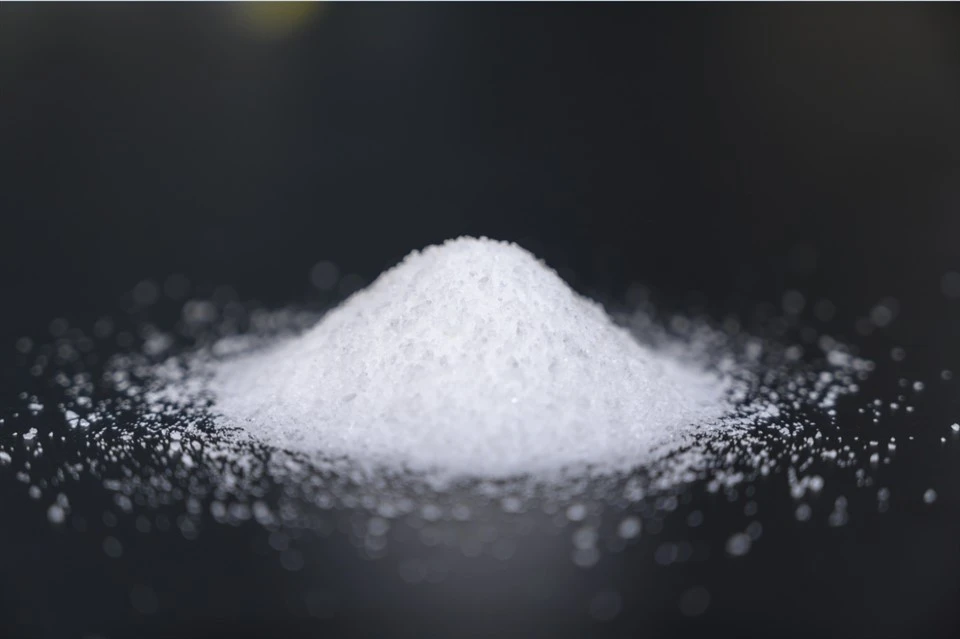
Anionic Polyacrylamide powder is usually packed in multi-layered plastic bags or drums. The inner layer is often made of a high-density polyethylene (HDPE) liner, which provides a barrier against moisture and oxygen. The outer layer can be a woven polypropylene bag or a steel drum, depending on the quantity and customer requirements.
When handling powder packaging, it is essential to ensure that the bags or drums are tightly sealed to prevent any leakage. Any exposure to moisture can cause the powder to clump, reducing its solubility and effectiveness. Additionally, the packaging should be labeled clearly with the product name, grade, quantity, and handling instructions.
Emulsion Packaging
Anionic Polyacrylamide emulsions are typically stored in plastic or steel containers. These containers are designed to withstand the pressure and temperature changes during transportation. The emulsion should be stored in a cool, dry place to prevent any separation or degradation.
Similar to powder packaging, emulsion containers should be tightly sealed to prevent any leakage. The containers should also be labeled with the product name, grade, quantity, and handling instructions. It is important to note that emulsions are more sensitive to temperature changes than powders, so extra care should be taken during transportation in extreme weather conditions.

Transportation Conditions
Once the Anionic Polyacrylamide is properly packaged, the next step is to ensure suitable transportation conditions. The following factors should be considered:
Temperature
Anionic Polyacrylamide is sensitive to temperature changes. High temperatures can cause the polymer to degrade, reducing its effectiveness. Therefore, it is recommended to transport the product in a temperature-controlled environment, especially during hot summer months.
If temperature control is not possible, it is important to avoid exposing the product to direct sunlight or extreme heat sources. The product should be stored in a shaded area and protected from any heat-generating equipment.
Humidity
Moisture is another factor that can affect the quality of Anionic Polyacrylamide. High humidity can cause the powder to clump and the emulsion to separate. Therefore, it is important to keep the product dry during transportation.
If the transportation route passes through areas with high humidity, it is recommended to use moisture-resistant packaging and ensure that the storage area is well-ventilated. Additionally, the product should be inspected regularly for any signs of moisture damage.
Vibration and Shock
During transportation, the product may be subjected to vibration and shock. Excessive vibration and shock can cause the packaging to break or the product to degrade. Therefore, it is important to use appropriate cushioning materials to protect the product from damage.
The transportation vehicle should also be driven carefully to avoid sudden stops, starts, or turns. If possible, the product should be secured to prevent any movement during transit.
Handling Precautions
In addition to proper packaging and transportation conditions, it is important to follow certain handling precautions to ensure the safety of the product and the personnel involved in the transportation process.
Loading and Unloading
When loading and unloading Anionic Polyacrylamide, it is important to use appropriate equipment and techniques. The product should be handled gently to avoid any damage to the packaging or the product itself.
If the product is in powder form, it should be loaded and unloaded using a vacuum system or a conveyor belt to prevent any dust generation. If the product is in emulsion form, it should be loaded and unloaded using a pump or a gravity-fed system.
Storage at Intermediate Stops
If the transportation route includes intermediate stops, it is important to store the product in a suitable location. The storage area should be clean, dry, and well-ventilated. The product should be stored away from any sources of heat, moisture, or chemicals.
During the intermediate stops, the product should be inspected regularly for any signs of damage or degradation. If any issues are detected, appropriate measures should be taken immediately to prevent further damage.
Regulatory Compliance
When transporting Anionic Polyacrylamide, it is important to comply with all relevant regulations and standards. This includes regulations related to packaging, labeling, transportation, and handling of hazardous materials.
In some countries, Anionic Polyacrylamide may be classified as a hazardous material, depending on its concentration and application. Therefore, it is important to check the local regulations and obtain any necessary permits or licenses before transporting the product.
Conclusion
Proper transportation of Anionic Polyacrylamide is crucial to ensure its quality and effectiveness. By following the packaging, transportation, and handling precautions outlined in this blog post, you can minimize the risk of damage and degradation during transit.
If you are interested in purchasing Anionic Polyacrylamide for your specific application, such as Polyacrylamide for Municipal Sewage or Polyacrylamide for Mineral Separation, please feel free to contact us for more information. We also offer Cationic Polyacrylamide for other applications. Our team of experts is ready to assist you in finding the right product and providing you with the best service.
References
- "Anionic Polyacrylamide: Properties, Applications, and Safety Considerations." Chemical Engineering Journal.
- "Transportation Regulations for Hazardous Materials." International Maritime Organization.
- "Best Practices for Packaging and Transportation of Polymers." Polymer Science and Technology.


