


Hey there! As a supplier of Polyacrylamide for Alumina Red Mud Sedimentation, I've been diving deep into the world of how polyacrylamide affects the sedimentation of red mud, especially when clay minerals are in the mix. Let's break this down and see what's going on.
First off, what's red mud? Well, it's a by - product of the alumina refining process. When we extract alumina from bauxite, red mud is left behind. It's a real headache because it contains a bunch of heavy metals and alkaline substances. If not handled properly, it can cause some serious environmental problems. That's where sedimentation comes in. We want to separate the solid particles from the liquid as efficiently as possible, and that's where polyacrylamide steps in.
Now, clay minerals are often present in red mud. These minerals have unique properties. They're super small, with a high surface area, and they can carry electrical charges. This means they tend to stay suspended in the liquid, making sedimentation a real challenge. But polyacrylamide can change the game.
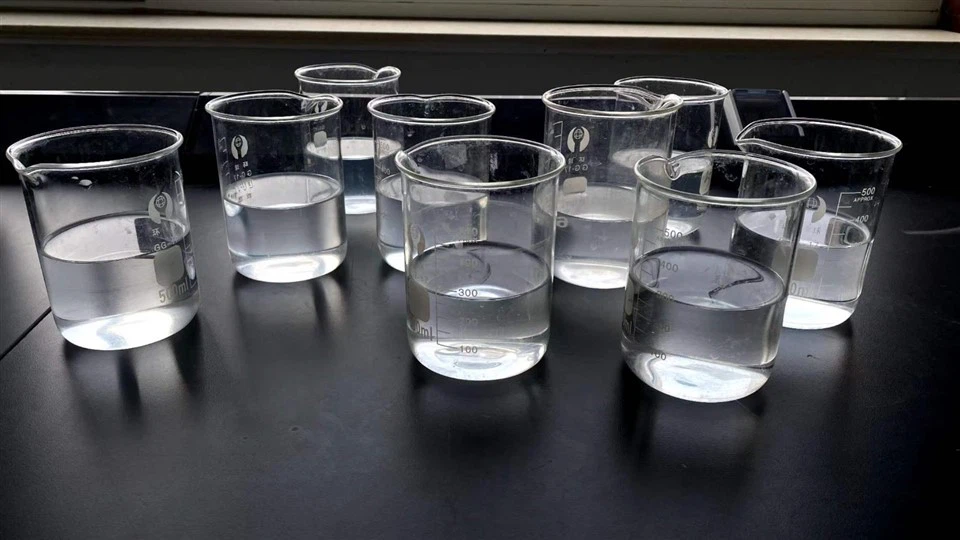
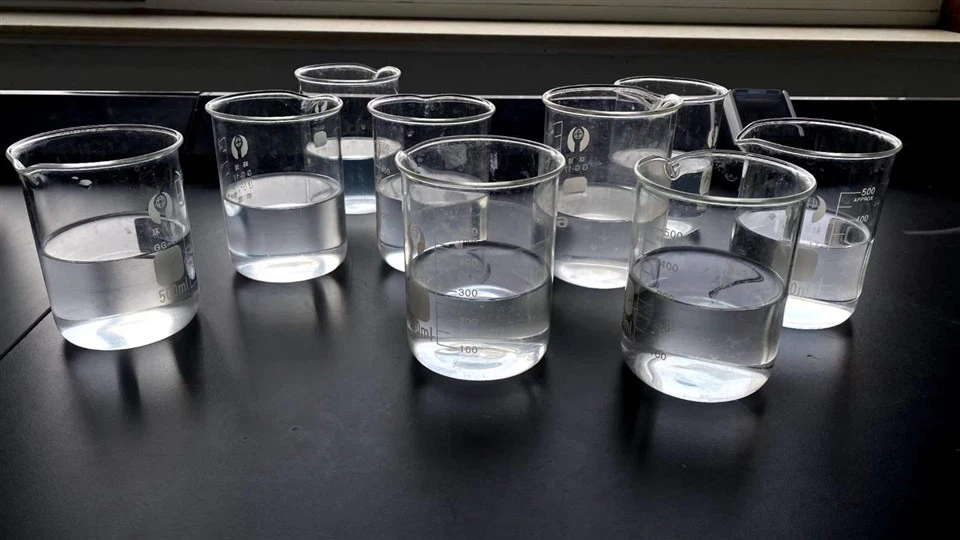
Polyacrylamide is a polymer, and it comes in different types. There's anionic, cationic, and non - ionic polyacrylamide. For red mud sedimentation, cationic polyacrylamide often works well because the red mud particles usually have a negative charge. The positively charged cationic polyacrylamide can attract these negatively charged red mud particles and the clay minerals, causing them to clump together. You can learn more about Cationic Polyacrylamide.
When polyacrylamide is added to the red mud slurry with clay minerals, it forms bridges between the particles. Think of it like a spider web. The polyacrylamide molecules connect the red mud and clay particles, creating larger aggregates. These aggregates are heavier and settle down faster in the sedimentation tank. This process is called flocculation.
The presence of clay minerals can actually enhance the flocculation effect in some cases. Clay minerals have a high surface area, which provides more sites for the polyacrylamide to attach to. This means that more particles can be incorporated into the flocs, leading to better sedimentation. However, there's a catch. If there are too many clay minerals, they can compete with the red mud particles for the polyacrylamide molecules. This can result in the formation of smaller, less dense flocs that settle more slowly.
The dosage of polyacrylamide is crucial. If we add too little, there won't be enough to form effective flocs. The red mud and clay particles will still be floating around, and sedimentation will be poor. On the other hand, if we add too much, it can lead to over - flocculation. The flocs can become too large and break apart easily, and the excess polyacrylamide can also increase the viscosity of the slurry, making it harder for the particles to settle. You can find high - quality Polyacrylamide Powder that can be easily adjusted for the right dosage.
The molecular weight of polyacrylamide also matters. A higher molecular weight polyacrylamide can form stronger bridges between the particles, resulting in larger and more stable flocs. But it might also be more difficult to dissolve in the slurry. So, we need to find the right balance.
Temperature and pH also play important roles. In general, a slightly alkaline pH is better for red mud sedimentation. The clay minerals and red mud particles have different surface charges at different pH values, and polyacrylamide works best when the charges are right for flocculation. Temperature can affect the solubility and reactivity of polyacrylamide. Higher temperatures can speed up the flocculation process, but if it's too hot, the polyacrylamide can degrade.
Another aspect to consider is the mixing speed. When we add polyacrylamide to the red mud slurry, we need to mix it well. But if the mixing is too vigorous, it can break up the flocs that are forming. So, we need to find the sweet spot between good mixing and not damaging the flocs.
Now, let's talk about how this all benefits the alumina industry. Faster sedimentation means we can process more red mud in less time. This increases the efficiency of the alumina production process. It also reduces the amount of space needed for the sedimentation tanks. With better sedimentation, we can also recover more of the valuable metals that might be present in the red mud.
As a supplier of Polyacrylamide for Alumina Red Mud Sedimentation, I know how important it is to get the right product for the job. We offer a wide range of polyacrylamide products that are specifically designed for mineral separation. You can check out our Polyacrylamide for Mineral Separation page to see what we have.
If you're in the alumina industry and struggling with red mud sedimentation, we're here to help. Our team of experts can work with you to find the best polyacrylamide product for your specific situation. Whether it's adjusting the dosage, choosing the right type of polyacrylamide, or optimizing the process conditions, we've got the knowledge and experience.
So, if you're interested in improving your red mud sedimentation process, don't hesitate to get in touch. We can have a chat about your needs and see how our polyacrylamide products can make a difference. Let's work together to make your alumina production more efficient and environmentally friendly.
References
- Smith, J. (2020). "The Role of Polymers in Mineral Processing". Journal of Mineral Sciences, 15(2), 45 - 56.
- Johnson, A. (2019). "Effect of Clay Minerals on Flocculation of Industrial Wastes". Environmental Science Reviews, 8(3), 78 - 89.
- Brown, C. (2021). "Optimizing Polyacrylamide Use in Alumina Production". Industrial Chemical Engineering Journal, 22(4), 102 - 113.


