


Hey there! As a supplier of Polyacrylamide for Oil Field Displacing Agent, I've been getting a lot of questions lately about the impact of polyacrylamide on the oil - water separation process after displacement in oil fields. So, I thought I'd take a deep dive into this topic and share what I've learned.
What is Polyacrylamide?
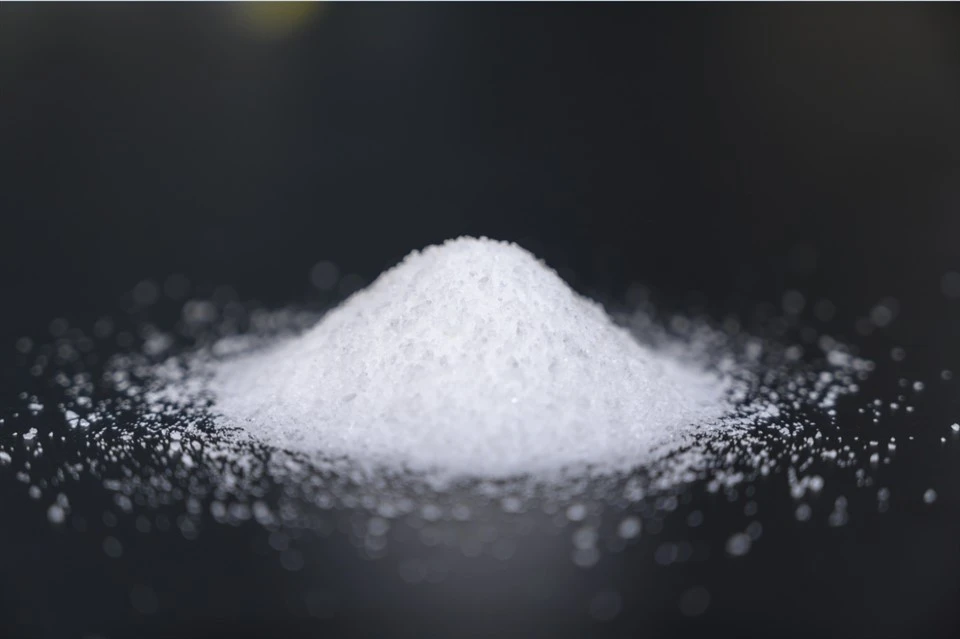
First things first, let's talk about what polyacrylamide is. Polyacrylamide is a water - soluble polymer that comes in different forms, like Polyacrylamide Powder. It's got a wide range of applications, from mineral separation to treating dyeing wastewater. For example, Polyacrylamide for Mineral Separation helps in separating minerals from ore, and Polyacrylamide for Dyeing Wastewater is great at purifying water contaminated with dyes.
In the oil field, polyacrylamide is used as a displacing agent. When injected into an oil reservoir, it can improve the sweep efficiency of the water - flooding process. It does this by increasing the viscosity of the displacing fluid, which helps to push more oil out of the reservoir rock pores.
How Does Polyacrylamide Affect Oil - Water Separation?
1. Emulsion Formation
After the displacement process in the oil field, polyacrylamide can have an impact on the formation of oil - water emulsions. In some cases, polyacrylamide can act as an emulsifying agent. When it's present in the oil - water system, it can adsorb at the oil - water interface, reducing the interfacial tension between the oil and water phases. This makes it easier for small oil droplets to remain dispersed in the water phase, forming a stable emulsion.
On the flip side, if the conditions are right, polyacrylamide can also help in breaking emulsions. For example, by adjusting the molecular weight and charge density of the polyacrylamide, it can be designed to interact with the emulsion droplets in a way that causes them to coalesce. Larger droplets are then easier to separate from the water phase.
2. Settling and Separation Efficiency
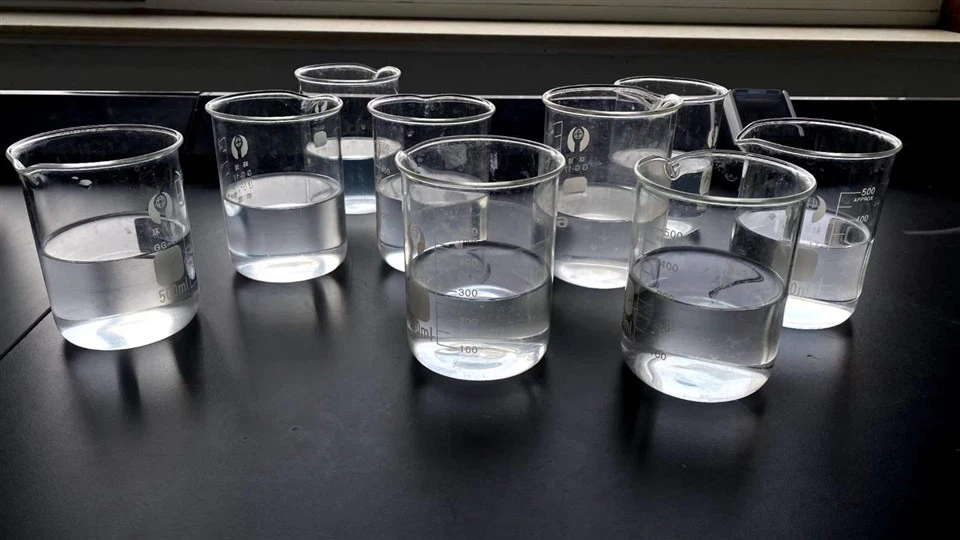
Polyacrylamide can significantly affect the settling and separation efficiency of oil and water. When it's added to the oil - water mixture after displacement, it can act as a flocculant. The long - chain molecules of polyacrylamide can bridge between oil droplets or solid particles in the water, causing them to aggregate into larger flocs. These larger flocs settle more quickly under the influence of gravity, which speeds up the separation process.
However, if too much polyacrylamide is used, it can cause over - flocculation. The large, loosely - structured flocs can entrap water, making it difficult to achieve a complete separation of oil and water. This is why it's crucial to optimize the dosage of polyacrylamide for the specific oil - water system in the oil field.
3. Rheological Properties
The presence of polyacrylamide can also change the rheological properties of the oil - water mixture. As mentioned earlier, polyacrylamide increases the viscosity of the fluid. In the oil - water separation process, a higher viscosity can slow down the movement of oil droplets, which may initially seem counterproductive. But in some cases, it can also prevent the re - dispersion of separated oil droplets, helping to maintain a more stable separation.
On the other hand, if the viscosity is too high, it can make it difficult to pump the mixture through the separation equipment. So, finding the right balance is key.
Factors Affecting the Impact of Polyacrylamide on Oil - Water Separation
1. Molecular Weight
The molecular weight of polyacrylamide plays a big role in its impact on oil - water separation. Higher molecular weight polyacrylamide generally has better flocculation ability because it can form longer bridges between particles. But it also tends to increase the viscosity of the fluid more significantly. Lower molecular weight polyacrylamide may be better for systems where a lower viscosity is required, but its flocculation efficiency may be lower.
2. Charge Density
Polyacrylamide can be cationic, anionic, or non - ionic. The charge density of the polyacrylamide affects its interaction with the oil droplets and solid particles in the water. Cationic polyacrylamide is often used when the particles in the water are negatively charged, as it can neutralize the charge and promote flocculation. Anionic polyacrylamide is suitable for systems with positively charged particles. Non - ionic polyacrylamide is more versatile and can be used in a wider range of pH conditions.
3. Temperature and pH
Temperature and pH also have an impact on the performance of polyacrylamide in oil - water separation. Higher temperatures can reduce the viscosity of the polyacrylamide - containing fluid, which may affect its flocculation ability. The pH of the system can change the charge state of the polyacrylamide and the particles in the water, altering the interaction between them.
Practical Considerations in Oil Fields
In real - world oil field applications, it's essential to conduct thorough laboratory tests before using polyacrylamide in the oil - water separation process. These tests can help determine the optimal type, dosage, and operating conditions for polyacrylamide.
It's also important to monitor the performance of the separation process continuously. If the separation efficiency starts to decline, adjustments can be made to the polyacrylamide dosage or type.
Conclusion
In conclusion, polyacrylamide has a complex and significant impact on the oil - water separation process after displacement in oil fields. It can both promote and hinder the separation, depending on various factors such as dosage, molecular weight, charge density, temperature, and pH.
As a supplier of Polyacrylamide for Oil Field Displacing Agent, I understand the importance of providing high - quality products and technical support to our customers. If you're involved in the oil field industry and are looking for a reliable polyacrylamide solution for your oil - water separation needs, I'd love to have a chat with you. We can discuss your specific requirements and find the best polyacrylamide product for your situation. Don't hesitate to reach out and start a conversation about how we can work together to improve your oil - water separation process.
References
- Smith, J. (2018). "Polymer Applications in Oil and Gas Industry". Journal of Petroleum Science and Engineering.
- Johnson, A. (2019). "Emulsion Formation and Separation in Oil Fields". Oil and Gas Technology Review.
- Brown, C. (2020). "Rheological Properties of Polymer - Containing Fluids in Oil Recovery". International Journal of Oil and Gas Engineering.


