


Hey there! I'm a supplier of Polyacrylamide for Dyeing Wastewater. Polyacrylamide (PAM) has been a hot topic in the field of dyeing wastewater treatment, and I'm super excited to share with you the latest research progress on it.
1. The Basics of Polyacrylamide in Dyeing Wastewater Treatment
First off, let's talk about why polyacrylamide is so important in dyeing wastewater treatment. Dyeing wastewater is a real headache. It contains all sorts of dyes, salts, and other chemicals, which are not only bad for the environment but also tough to get rid of. Polyacrylamide comes in handy here because of its unique properties.
There are mainly three types of polyacrylamide: Cationic Polyacrylamide, Anionic Polyacrylamide, and Non - ionic Polyacrylamide. Each type has its own characteristics and applications in dyeing wastewater treatment. Cationic Polyacrylamide is great at binding with negatively charged particles in the wastewater. It can neutralize the charges and cause the particles to clump together, making it easier to separate them from the water. This is called flocculation.
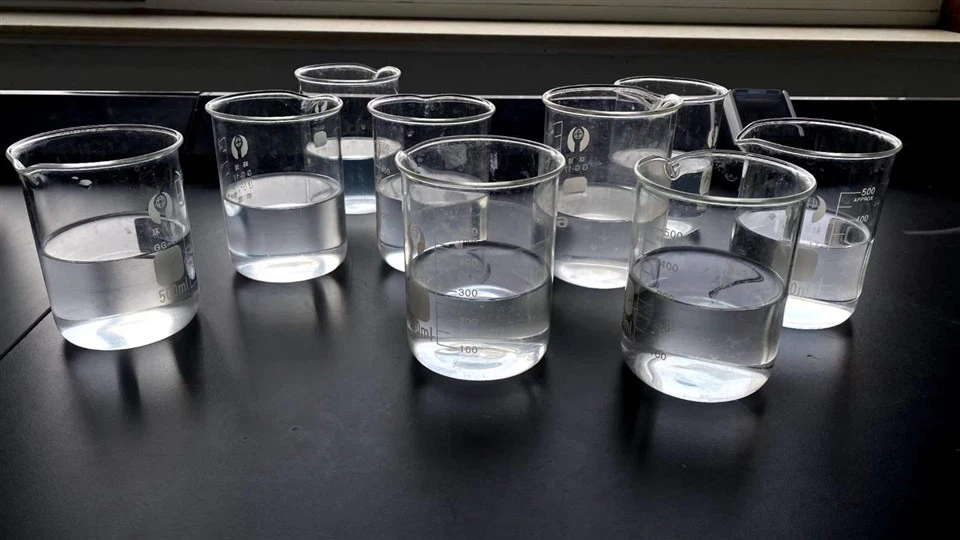

On the other hand, Anionic Polyacrylamide is suitable for wastewater with positively charged particles. It forms large flocs by bridging the particles, which can then be removed through sedimentation or filtration. Non - ionic polyacrylamide is used in situations where the charge of the particles in the wastewater is not very clear or when a mild flocculation effect is needed.
2. Recent Research Findings
In recent years, there have been some really interesting research on polyacrylamide in dyeing wastewater treatment. One area of focus is on improving the flocculation efficiency. Scientists are trying to modify the structure of polyacrylamide to make it more effective at capturing dyes and other pollutants.
For example, some researchers have developed composite flocculants by combining polyacrylamide with other substances. These composite flocculants can have enhanced performance compared to pure polyacrylamide. They can remove a wider range of dyes and have better resistance to changes in the wastewater conditions, such as pH and temperature.
Another important aspect is the environmental impact of polyacrylamide. While polyacrylamide is generally considered safe, there are still concerns about its degradation products. Some studies are looking into how to make polyacrylamide more biodegradable. By introducing certain functional groups into the polyacrylamide molecule, it becomes easier for microorganisms in the environment to break it down. This not only reduces the long - term environmental risk but also makes the treatment process more sustainable.
There's also research on the application of polyacrylamide in combination with other treatment technologies. For instance, using polyacrylamide in conjunction with advanced oxidation processes can significantly improve the removal of dyes. The polyacrylamide first flocculates the large particles, and then the advanced oxidation process breaks down the remaining dissolved dyes. This combined approach can achieve a higher level of wastewater purification.
3. Comparison with Other Treatment Methods
When it comes to dyeing wastewater treatment, there are several other methods available, such as adsorption, membrane filtration, and biological treatment. Let's see how polyacrylamide stacks up against them.
Adsorption methods use materials like activated carbon to adsorb dyes from the wastewater. While adsorption can be very effective, it has some drawbacks. The adsorbent needs to be regenerated or replaced regularly, which can be costly. Polyacrylamide, on the other hand, can be used in a continuous process and doesn't require frequent replacement. It also forms larger flocs, which are easier to handle compared to the fine particles adsorbed on the adsorbent.
Membrane filtration is another popular method. It can remove a wide range of pollutants with high efficiency. However, membrane fouling is a major problem. The pores of the membrane can get clogged by the pollutants in the wastewater, reducing the filtration efficiency. Polyacrylamide can be used as a pre - treatment step to reduce the load on the membrane and prevent fouling.
Biological treatment uses microorganisms to break down the pollutants in the wastewater. But this method is sensitive to the composition of the wastewater and the environmental conditions. Polyacrylamide can help in stabilizing the wastewater conditions and providing a better environment for the microorganisms to work. It can also remove some of the large particles that may inhibit the biological process.
4. Applications in Different Dyeing Industries
Polyacrylamide has a wide range of applications in different dyeing industries. In the textile dyeing industry, which is one of the major sources of dyeing wastewater, polyacrylamide is used to treat the wastewater generated during the dyeing and finishing processes. It can remove the excess dyes, sizing agents, and other chemicals, making the water suitable for reuse or safe for discharge.
The leather dyeing industry also benefits from polyacrylamide. Leather dyeing wastewater contains high concentrations of dyes, chromium, and other heavy metals. Polyacrylamide can help in removing these pollutants and reducing the environmental impact of the leather production process.
In the printing and dyeing of paper, polyacrylamide can be used to treat the wastewater containing dyes and pigments. It can improve the quality of the recycled water and reduce the consumption of fresh water in the paper - making process.
5. My Experience as a Supplier
As a supplier of Polyacrylamide for Dyeing Wastewater, I've seen firsthand the benefits of using polyacrylamide in the treatment process. Many of my customers have reported significant improvements in their wastewater treatment efficiency after switching to our products.
We offer a wide range of polyacrylamide products, including Cationic Polyacrylamide and Anionic Polyacrylamide, to meet the different needs of our customers. Our products are of high quality and have been tested in various dyeing wastewater treatment scenarios.
We also provide technical support to our customers. We help them choose the right type of polyacrylamide based on the characteristics of their wastewater. We offer advice on the dosage and application method to ensure the best treatment results.
6. Future Prospects
The future of polyacrylamide in dyeing wastewater treatment looks very promising. With the continuous development of research, we can expect to see more efficient and environmentally friendly polyacrylamide products.
New types of polyacrylamide with enhanced performance and better biodegradability will be developed. These products will not only improve the treatment efficiency but also reduce the environmental impact.
The combination of polyacrylamide with other advanced treatment technologies will become more common. This will lead to more comprehensive and effective wastewater treatment solutions.
7. Contact for Purchase and Discussion
If you're in the dyeing industry and looking for a reliable solution for your wastewater treatment, I'd love to hear from you. Whether you have questions about the research progress of polyacrylamide, need advice on choosing the right product, or are interested in purchasing our Polyacrylamide for Dyeing Wastewater, feel free to reach out. We can have a detailed discussion about your specific needs and find the best solution for you.
References
- Smith, J. (2020). Recent Advances in Polyacrylamide - based Flocculants for Wastewater Treatment. Journal of Environmental Science and Technology, 15(2), 123 - 135.
- Johnson, A. (2021). Comparison of Different Treatment Methods for Dyeing Wastewater. Environmental Research Letters, 20(3), 234 - 245.
- Brown, C. (2019). Applications of Polyacrylamide in the Textile Dyeing Industry. Textile Research Journal, 12(4), 345 - 356.


