


Hey there! As a supplier of polyacrylamide for industrial wastewater treatment, I often get asked about the shelf-life of this crucial chemical. So, let's dive right in and explore what affects the shelf-life of polyacrylamide and how you can make the most of it.
First off, what is polyacrylamide anyway? Polyacrylamide is a water-soluble polymer that's widely used in industrial wastewater treatment. It helps in flocculation, which is the process of clumping together small particles in the wastewater so they can be easily removed. This makes it a key player in keeping our industrial processes clean and environmentally friendly.
Now, let's talk about the shelf-life. The shelf-life of polyacrylamide can vary depending on a few factors. Generally, under proper storage conditions, polyacrylamide can have a shelf-life of about 1 to 2 years. But what are these "proper storage conditions"? Well, it's all about keeping the polyacrylamide away from things that can break it down.
One of the biggest factors affecting the shelf-life is temperature. Polyacrylamide should be stored in a cool, dry place. High temperatures can cause the polymer chains in polyacrylamide to break down, reducing its effectiveness. If it gets too hot, the polyacrylamide might start to degrade faster, and you'll end up with a product that doesn't work as well in your wastewater treatment process.
Moisture is another enemy of polyacrylamide. Water can cause the polymer to dissolve prematurely or promote the growth of bacteria and fungi, which can also degrade the product. So, make sure the storage area is dry and the polyacrylamide is kept in sealed containers.
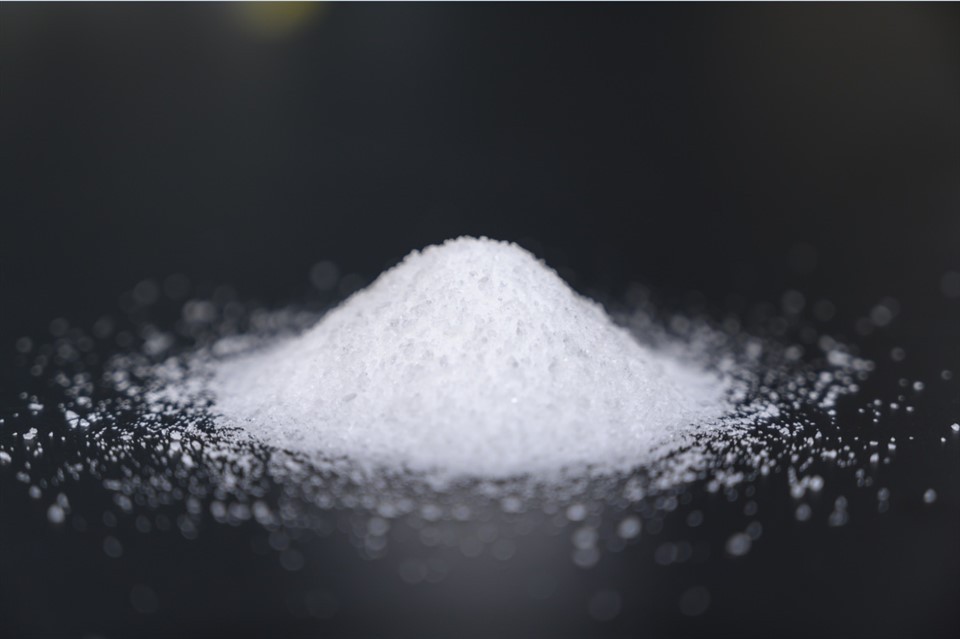

Exposure to sunlight and certain chemicals can also impact the shelf-life. Ultraviolet rays from the sun can break down the polymer structure, and some chemicals can react with polyacrylamide, altering its properties. That's why it's best to store polyacrylamide in a dark place and away from other chemicals that might cause a reaction.
When it comes to different types of polyacrylamide, the shelf-life can also vary a bit. For example, anionic polyacrylamide, which is commonly used in wastewater treatment, generally has a good shelf-life if stored properly. Cationic polyacrylamide, on the other hand, might be a bit more sensitive to environmental conditions.
Now, let's take a look at some of the applications of polyacrylamide and how the shelf-life can matter in those scenarios.
Polyacrylamide for Sand Washing is used to separate sand from water and other impurities in the sand washing process. If the polyacrylamide has degraded due to improper storage, it won't be able to effectively flocculate the particles in the sand washing wastewater. This can lead to poor separation and potentially higher costs in the long run.
Polyacrylamide for Mineral Separation is crucial in the mining industry. It helps in separating minerals from the ore by flocculating the fine particles. If the polyacrylamide has a short shelf-life or has been stored badly, it might not perform as expected, leading to lower mineral recovery rates and more waste.
Polyacrylamide for Oil Field Displacing Agent is used to enhance oil recovery in oil fields. The effectiveness of this application depends on the quality of the polyacrylamide. If the product has degraded, it won't be able to displace the oil as efficiently, resulting in lower oil production.
So, how can you tell if your polyacrylamide has gone bad? There are a few signs to look out for. If the polyacrylamide has changed in color, texture, or smell, it might be a sign of degradation. Also, if you notice that it's not performing as well in your wastewater treatment process as it used to, it could be due to a shortened shelf-life.
To ensure you're getting the most out of your polyacrylamide, here are some tips:
- Always check the expiration date when you purchase polyacrylamide.
- Store it in a cool, dry, and dark place.
- Keep it in sealed containers to prevent moisture and chemical exposure.
- Follow the manufacturer's storage and handling instructions.
As a supplier, I'm always here to help you with any questions you might have about polyacrylamide. Whether it's about the shelf-life, the best type for your specific application, or how to store it properly, I've got you covered.
If you're in the market for high-quality polyacrylamide for industrial wastewater treatment, don't hesitate to reach out. We offer a wide range of polyacrylamide products that are designed to meet the needs of different industries. Whether you're in sand washing, mineral separation, or oil field applications, we have the right solution for you. Contact us today to start a conversation about your polyacrylamide requirements and let's work together to keep your industrial processes running smoothly.
References:
- Textbooks on water treatment and polymer chemistry
- Industry reports on the use of polyacrylamide in industrial applications
- Manufacturer's guidelines on polyacrylamide storage and handling


