


Polyacrylamide (PAM) is a water - soluble polymer with a wide range of applications in various industries. As a supplier of Polyacrylamide for Papermaking, I often receive inquiries about its potential use in the production of packaging paper. In this blog, I will explore whether polyacrylamide can be used in the production of packaging paper, the benefits it may bring, and some considerations.
1. Can Polyacrylamide be Used in Packaging Paper Production?
The answer is yes. Polyacrylamide has several properties that make it suitable for use in the production of packaging paper. It can be classified into different types, such as Anionic Polyacrylamide, Non - ionic Polyacrylamide, and cationic polyacrylamide, each with unique characteristics that can contribute to the papermaking process.
2. Benefits of Using Polyacrylamide in Packaging Paper Production
2.1 Retention and Drainage Improvement
One of the primary functions of polyacrylamide in papermaking is to improve the retention of fine particles and fillers in the paper. In packaging paper production, a significant amount of fillers like calcium carbonate is often added to reduce costs and improve paper properties such as opacity and smoothness. However, these fine particles tend to be lost during the papermaking process, leading to increased production costs and environmental pollution.
Polyacrylamide can form bridges between the fibers and the fine particles, causing them to flocculate and be retained on the paper machine wire. This not only reduces the loss of fillers but also improves the drainage rate of the paper web. Faster drainage means higher production speeds on the paper machine, which can increase the overall productivity of the packaging paper manufacturing process.
2.2 Strength Enhancement
Packaging paper needs to have sufficient strength to withstand the stresses during handling, transportation, and storage. Polyacrylamide can improve the strength properties of the paper, including tensile strength, burst strength, and tear strength.
When polyacrylamide is added to the pulp, it can adsorb onto the fiber surfaces and form hydrogen bonds or other intermolecular forces between the fibers. This enhances the bonding between the fibers, resulting in a stronger paper structure. For example, in corrugated packaging paper, improved strength can prevent the corrugations from collapsing under pressure, ensuring the integrity of the packaging.
2.3 Surface Properties Improvement
The surface properties of packaging paper are also crucial. A smooth and uniform surface can improve the printability of the paper, allowing for high - quality printing of product information, logos, and graphics. Polyacrylamide can help to improve the surface smoothness of the paper by reducing the roughness caused by the uneven distribution of fibers and fillers.
It can also enhance the surface sizing of the paper. Surface sizing agents are used to control the penetration of inks and other liquids into the paper. Polyacrylamide can interact with the surface sizing agents to form a more effective barrier, improving the water resistance and ink receptivity of the packaging paper.
3. Considerations in Using Polyacrylamide in Packaging Paper Production
3.1 Type Selection
As mentioned earlier, there are different types of polyacrylamide. The choice of the appropriate type depends on various factors such as the type of pulp, the pH of the papermaking system, and the specific requirements of the packaging paper.
Anionic polyacrylamide is commonly used in systems with a high content of anionic substances, such as mechanical pulp. It can effectively interact with the anionic fines and fillers. Non - ionic polyacrylamide is more suitable for systems where the charge balance is relatively neutral. Cationic polyacrylamide is often used in systems with a high content of anionic contaminants or when a strong retention effect is required.
3.2 Dosage Control
The dosage of polyacrylamide is critical. Too little polyacrylamide may not achieve the desired effects, while too much can lead to problems such as excessive flocculation, which may cause uneven paper formation, poor drainage, and increased costs.
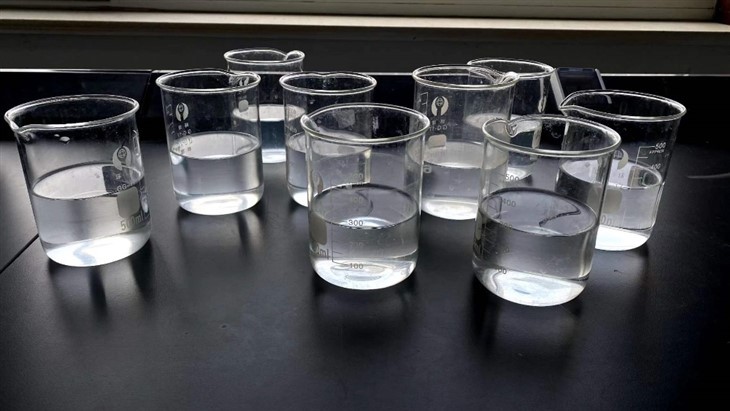

The optimal dosage needs to be determined through laboratory tests and on - site trials. Factors such as the concentration of pulp, the type and amount of fillers, and the paper machine conditions all need to be considered when determining the appropriate dosage of polyacrylamide.
3.3 Compatibility with Other Chemicals
In the papermaking process, many other chemicals are used, such as sizing agents, wet - strength agents, and biocides. Polyacrylamide needs to be compatible with these chemicals to avoid any adverse reactions.
For example, some sizing agents may react with polyacrylamide, affecting the sizing performance. Therefore, it is necessary to conduct compatibility tests before using polyacrylamide in combination with other chemicals in the packaging paper production process.
4. Comparison with Other Papermaking Additives
In addition to polyacrylamide, there are other papermaking additives that can perform similar functions. For example, starch is a commonly used retention and strength - enhancing agent in papermaking.
Compared with starch, polyacrylamide generally has a higher efficiency in terms of retention and strength improvement. Starch may require higher dosages to achieve the same level of performance as polyacrylamide. However, starch is a natural polymer and may be more environmentally friendly in some cases.
Another alternative is poly(ethylene oxide) (PEO). PEO can also improve the retention and drainage in papermaking. However, polyacrylamide has better strength - enhancing properties compared to PEO.
5. Other Applications of Polyacrylamide
Apart from papermaking, polyacrylamide also has a wide range of applications in other industries. For example, Polyacrylamide for Oil Field Displacing Agent is used in the oil industry to enhance oil recovery. It can increase the viscosity of the displacing fluid, improving the sweep efficiency of the oil reservoir.
In the wastewater treatment industry, polyacrylamide is used as a flocculant to remove suspended solids and pollutants from the water. Its ability to form large flocs makes it effective in separating the solid and liquid phases in the wastewater treatment process.
6. Conclusion
In conclusion, polyacrylamide can be effectively used in the production of packaging paper. It offers several benefits, including improved retention and drainage, enhanced strength properties, and better surface characteristics. However, careful consideration needs to be given to the type selection, dosage control, and compatibility with other chemicals.
As a supplier of Polyacrylamide for Papermaking, we have extensive experience in providing high - quality polyacrylamide products for the packaging paper industry. Our products are carefully formulated to meet the specific requirements of different papermaking processes. If you are involved in the packaging paper production and are interested in using polyacrylamide to improve your production efficiency and paper quality, please feel free to contact us for more information and to discuss your specific needs. We are committed to providing you with the best solutions and excellent customer service.
References
- "Handbook of Pulp and Paper Technology", Third Edition, edited by James P. Casey.
- "Papermaking: The History and Technology of an Ancient Craft" by Derek J. Bryant.
- Research papers on the application of polyacrylamide in papermaking from journals such as "TAPPI Journal" and "Nordic Pulp & Paper Research Journal".


