


Hey there! As a supplier of Non-ionic Polyacrylamide, I often get asked about the differences between Non-ionic Polyacrylamide and cationic polyacrylamide. So, I thought I'd write this blog to clear things up.
1. Chemical Structure and Charge
Let's start with the basics - their chemical structures. Non-ionic Polyacrylamide, as the name suggests, is non-ionic. That means it doesn't carry any significant positive or negative charge in its molecular structure. It's made up of acrylamide monomers linked together in a chain. This non - charged nature gives it some unique properties.
On the other hand, cationic polyacrylamide has a positive charge. It's synthesized by copolymerizing acrylamide with cationic monomers. The positive charge comes from these cationic monomers. This charge difference is the root cause of many of the differences in their applications.
2. Solubility
When it comes to solubility, both Non-ionic Polyacrylamide and cationic polyacrylamide are soluble in water. But there are some differences in the way they dissolve.
Non-ionic Polyacrylamide usually dissolves relatively easily in water. It doesn't have the charge - induced interactions that can sometimes slow down the dissolution process. You can just add it to water, stir a bit, and it'll start to dissolve. It forms a clear, viscous solution over time.
Cationic polyacrylamide, due to its positive charge, can interact with other charged particles in the water. In some cases, these interactions can cause it to form aggregates or clumps during the dissolution process. So, you might need to be a bit more careful when dissolving it. You may need to use a proper mixing method and add it slowly to the water to ensure a uniform solution.
3. Flocculation Mechanism
Flocculation is a key process where these two polymers are often used. The flocculation mechanism of Non-ionic Polyacrylamide and cationic polyacrylamide is quite different.
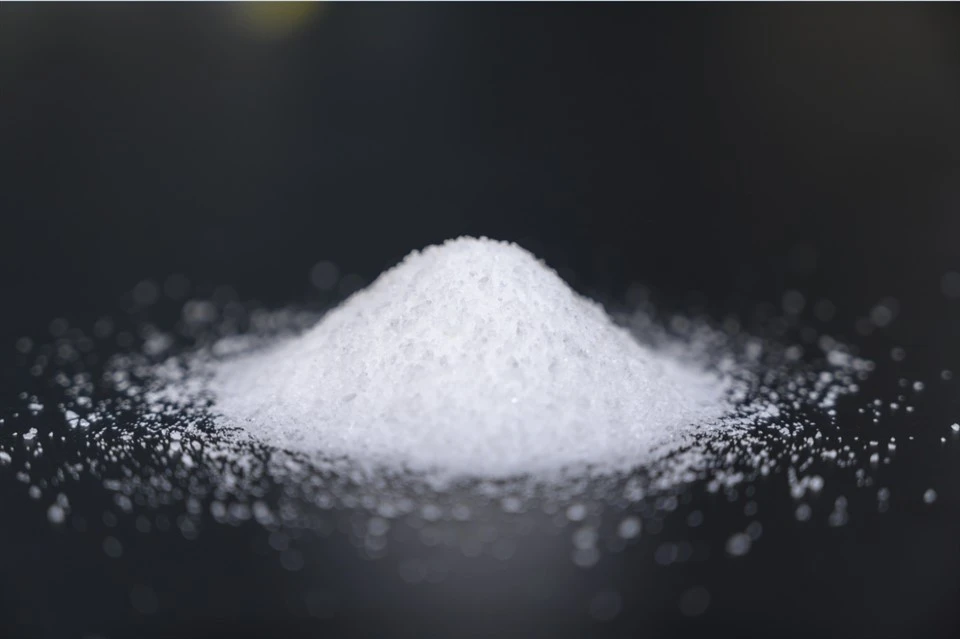

Non-ionic Polyacrylamide works mainly through a process called bridging flocculation. Its long - chain molecules can adsorb onto different particles in the suspension. Then, these chains bridge the particles together, causing them to form larger flocs. This is especially useful when dealing with particles that have a low surface charge or in systems where charge - based interactions are not the dominant factor.
Cationic polyacrylamide, with its positive charge, can neutralize the negative charge on the surface of particles. This charge neutralization reduces the electrostatic repulsion between the particles, allowing them to come closer together. Then, like Non-ionic Polyacrylamide, it can also use the bridging mechanism to form larger flocs. This dual mechanism makes it very effective in treating suspensions with negatively charged particles, such as in wastewater treatment from industries like paper - making and textile.
4. Applications
Non - ionic Polyacrylamide Applications
- Oilfield Applications: In the oil and gas industry, Non-ionic Polyacrylamide is used in enhanced oil recovery. It can increase the viscosity of the injected water, which helps to displace oil more efficiently from the reservoir rocks. It's also used in drilling fluids to improve the rheological properties and prevent fluid loss.
- Textile Industry: It can be used as a sizing agent in the textile industry. It helps to improve the strength and smoothness of the yarns, reducing breakage during the weaving process.
- Mineral Separation: Non-ionic Polyacrylamide is used in Polyacrylamide for Mineral Separation. It can help in the flocculation of fine mineral particles, making it easier to separate them from the slurry.
Cationic Polyacrylamide Applications
- Wastewater Treatment: This is one of the most common applications of cationic polyacrylamide. It's very effective in treating wastewater from industries that produce negatively charged suspended solids, such as the food processing, paper, and textile industries. It can remove these solids by flocculation, making the water clearer and easier to treat further.
- Sludge Dewatering: In sewage treatment plants, cationic polyacrylamide is used for sludge dewatering. It can help to separate the water from the sludge, reducing the volume of the sludge and making it easier to handle and dispose of.
5. Product Forms
Both Non-ionic Polyacrylamide and cationic polyacrylamide are available in different product forms, mainly Polyacrylamide Emulsion and Polyacrylamide Powder.
Non-ionic Polyacrylamide in powder form is very convenient for storage and transportation. It has a long shelf - life and can be easily measured and added to the process. The emulsion form of Non-ionic Polyacrylamide is pre - dissolved to some extent, so it can be used more quickly in some applications. It's also easier to handle in terms of dosing, especially in continuous processes.
Cationic polyacrylamide also comes in powder and emulsion forms. The powder form is more concentrated and can be more cost - effective for large - scale applications. The emulsion form, like with Non-ionic Polyacrylamide, offers quick dissolution and easy dosing.
6. Cost Considerations
Cost is always an important factor in any industrial application.
Non-ionic Polyacrylamide is generally less expensive than cationic polyacrylamide. The raw materials and the production process for Non-ionic Polyacrylamide are relatively simpler. This makes it a more economical choice for applications where its properties are sufficient to meet the requirements.
Cationic polyacrylamide, due to the more complex synthesis process involving cationic monomers, is usually more expensive. However, in applications where its charge - based properties are crucial, the higher cost is often justified by its better performance.
7. Compatibility with Other Chemicals
When using these polymers, it's important to consider their compatibility with other chemicals in the system.
Non-ionic Polyacrylamide is relatively compatible with a wide range of chemicals. Since it doesn't have a strong charge, it doesn't react strongly with other charged substances. It can be used in systems where other chemicals like acids, bases, or salts are present without significant chemical reactions.
Cationic polyacrylamide, because of its positive charge, can react with anionic substances. If you mix it with anionic polymers or other negatively charged chemicals, it can cause precipitation or loss of flocculation performance. So, you need to be very careful when using it in a system where other chemicals are present.
Why Choose Our Non - ionic Polyacrylamide?
As a supplier of Non-ionic Polyacrylamide, I can tell you that our product has some great advantages. We ensure high - quality production processes, so you get a consistent and reliable product. Our Non-ionic Polyacrylamide is available in both powder and emulsion forms, so you can choose the one that suits your application best. Whether you're in the oilfield, textile, or mineral separation industry, our product can meet your needs.
If you're interested in learning more about Non-ionic Polyacrylamide or are thinking about making a purchase, don't hesitate to reach out. We're here to help you with any questions you might have and to discuss how our product can fit into your process.
In conclusion, Non-ionic Polyacrylamide and cationic polyacrylamide have distinct differences in their chemical structure, solubility, flocculation mechanism, applications, cost, and compatibility. Understanding these differences is crucial for choosing the right polymer for your specific needs. So, if you're in the market for a polymer for flocculation or other applications, make sure to consider these factors and choose the one that's best for you.
If you're interested in our Non-ionic Polyacrylamide products, feel free to contact us for more information and to start a procurement discussion. We're looking forward to working with you!
References
- "Polymer Science and Technology" by Morton M. Coleman and Stuart H. Graf
- "Wastewater Treatment Technology" by Perry McCarty


