


As a supplier of Polyacrylamide for Municipal Sewage, I've witnessed firsthand the transformative potential of this remarkable polymer in wastewater treatment. In this blog post, I'll delve into the science behind polyacrylamide's role in enhancing the coagulation process in municipal sewage, exploring its mechanisms, benefits, and real-world applications.
Understanding the Coagulation Process in Municipal Sewage
Before we explore the role of polyacrylamide, let's first understand the coagulation process in municipal sewage treatment. Coagulation is a crucial step in wastewater treatment that involves the addition of chemicals to destabilize and aggregate suspended particles, colloids, and organic matter in sewage. This process helps to remove impurities, clarify the water, and prepare it for further treatment.
The coagulation process typically involves the following steps:
- Chemical Addition: A coagulant, such as aluminum sulfate or ferric chloride, is added to the sewage to neutralize the negative charges on the suspended particles and colloids, causing them to aggregate and form larger flocs.
- Mixing: The sewage is thoroughly mixed to ensure uniform distribution of the coagulant and promote the formation of flocs.
- Flocculation: A flocculant, such as polyacrylamide, is added to the sewage to further enhance the aggregation of the flocs and promote their sedimentation or filtration.
- Sedimentation or Filtration: The flocs are allowed to settle to the bottom of the tank or are filtered out of the water, leaving behind clarified water.
How Polyacrylamide Enhances the Coagulation Process
Polyacrylamide is a water-soluble polymer that is widely used as a flocculant in wastewater treatment. It works by bridging the gaps between the suspended particles and colloids in sewage, causing them to aggregate and form larger flocs. This process is known as flocculation, and it helps to improve the sedimentation or filtration of the flocs, resulting in clearer and cleaner water.
There are three main types of polyacrylamide: anionic, cationic, and non-ionic. Each type has different properties and is used for different applications in wastewater treatment.
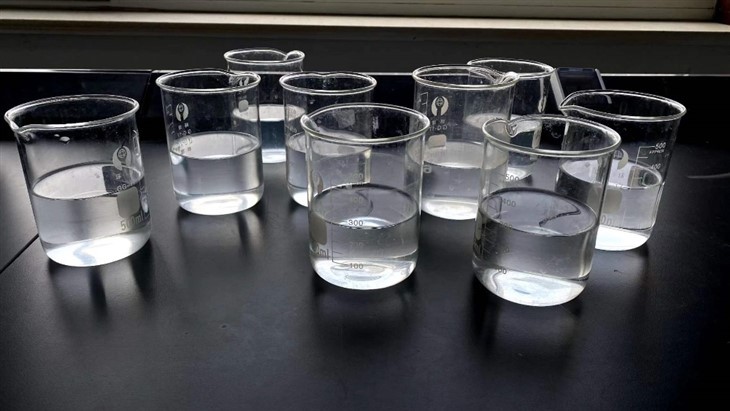

- Anionic Polyacrylamide: Anionic polyacrylamide has a negative charge and is used to flocculate negatively charged particles and colloids in sewage. It is commonly used in the treatment of municipal sewage, industrial wastewater, and mining wastewater. Anionic Polyacrylamide
- Cationic Polyacrylamide: Cationic polyacrylamide has a positive charge and is used to flocculate positively charged particles and colloids in sewage. It is commonly used in the treatment of sludge dewatering, paper mill wastewater, and textile wastewater.
- Non-ionic Polyacrylamide: Non-ionic polyacrylamide has no charge and is used to flocculate neutral particles and colloids in sewage. It is commonly used in the treatment of drinking water, food processing wastewater, and pharmaceutical wastewater. Non-ionic Polyacrylamide
Benefits of Using Polyacrylamide in Municipal Sewage Treatment
The use of polyacrylamide in municipal sewage treatment offers several benefits, including:
- Improved Coagulation Efficiency: Polyacrylamide helps to enhance the coagulation process by promoting the formation of larger and stronger flocs, which are easier to sediment or filter out of the water. This results in improved coagulation efficiency and reduced treatment time.
- Reduced Chemical Usage: By improving the coagulation efficiency, polyacrylamide can reduce the amount of coagulant required for wastewater treatment. This not only saves on chemical costs but also reduces the environmental impact of wastewater treatment.
- Improved Water Quality: Polyacrylamide helps to remove impurities, such as suspended particles, colloids, and organic matter, from sewage, resulting in clearer and cleaner water. This improves the quality of the treated water and makes it suitable for reuse or discharge into the environment.
- Enhanced Sludge Dewatering: Polyacrylamide can also be used to enhance the dewatering of sludge, which is a byproduct of wastewater treatment. By promoting the aggregation of the sludge particles, polyacrylamide helps to reduce the moisture content of the sludge, making it easier to handle and dispose of.
Real-World Applications of Polyacrylamide in Municipal Sewage Treatment
Polyacrylamide is widely used in municipal sewage treatment plants around the world to enhance the coagulation process and improve the quality of the treated water. Here are some real-world examples of how polyacrylamide is being used in municipal sewage treatment:
- City A: In City A, a municipal sewage treatment plant was experiencing problems with poor coagulation efficiency and high chemical usage. By adding polyacrylamide to the sewage treatment process, the plant was able to improve the coagulation efficiency, reduce the chemical usage by 30%, and improve the quality of the treated water.
- City B: In City B, a municipal sewage treatment plant was struggling with high levels of suspended solids and organic matter in the sewage. By using polyacrylamide as a flocculant, the plant was able to remove up to 90% of the suspended solids and organic matter from the sewage, resulting in clearer and cleaner water.
- City C: In City C, a municipal sewage treatment plant was facing challenges with sludge dewatering. By adding polyacrylamide to the sludge, the plant was able to reduce the moisture content of the sludge from 90% to 70%, making it easier to handle and dispose of.
Conclusion
In conclusion, polyacrylamide is a powerful tool for enhancing the coagulation process in municipal sewage treatment. By promoting the formation of larger and stronger flocs, polyacrylamide helps to improve the coagulation efficiency, reduce the chemical usage, and improve the quality of the treated water. It also enhances the dewatering of sludge, making it easier to handle and dispose of.
As a supplier of Polyacrylamide for Municipal Sewage, I'm committed to providing high-quality polyacrylamide products and excellent customer service to our clients. If you're interested in learning more about how polyacrylamide can enhance the coagulation process in your municipal sewage treatment plant, please don't hesitate to contact us. We'll be happy to discuss your specific needs and provide you with a customized solution.
References
- Metcalf & Eddy. (2014). Wastewater Engineering: Treatment and Reuse (5th ed.). McGraw-Hill.
- Tchobanoglous, G., Burton, F. L., & Stensel, H. D. (2003). Wastewater Engineering: Treatment, Disposal, and Reuse (4th ed.). McGraw-Hill.
- USEPA. (2012). Wastewater Technology Fact Sheet: Coagulation and Flocculation. United States Environmental Protection Agency.


