


In the oil industry, enhancing the oil-displacement ability of polyacrylamide is crucial for improving oil recovery efficiency. As a dedicated supplier of Polyacrylamide for Oil Field Displacing Agent, I have witnessed firsthand the significance of this aspect in the oil extraction process. In this blog, I will delve into various methods to enhance the oil-displacement ability of polyacrylamide in oil fields.
Understanding the Role of Polyacrylamide in Oil Displacement
Polyacrylamide is a water-soluble polymer that has been widely used in oil fields as an oil-displacing agent. Its unique properties, such as high viscosity and good water solubility, make it an ideal candidate for enhancing oil recovery. When injected into an oil reservoir, polyacrylamide can increase the viscosity of the displacing fluid, thereby improving the sweep efficiency and reducing the mobility ratio between the displacing fluid and the oil. This helps to displace more oil from the reservoir pores and channels, leading to higher oil recovery rates.
Methods to Enhance the Oil - Displacement Ability of Polyacrylamide
1. Chemical Modification
One of the most effective ways to enhance the oil-displacement ability of polyacrylamide is through chemical modification. By introducing specific functional groups into the polyacrylamide molecule, its properties can be tailored to meet the requirements of different oil reservoirs. For example, sulfonated polyacrylamide has been developed to improve the salt tolerance and temperature resistance of the polymer. The sulfonic acid groups in the molecule can prevent the polymer from precipitating in high-salt environments and maintain its viscosity at elevated temperatures.
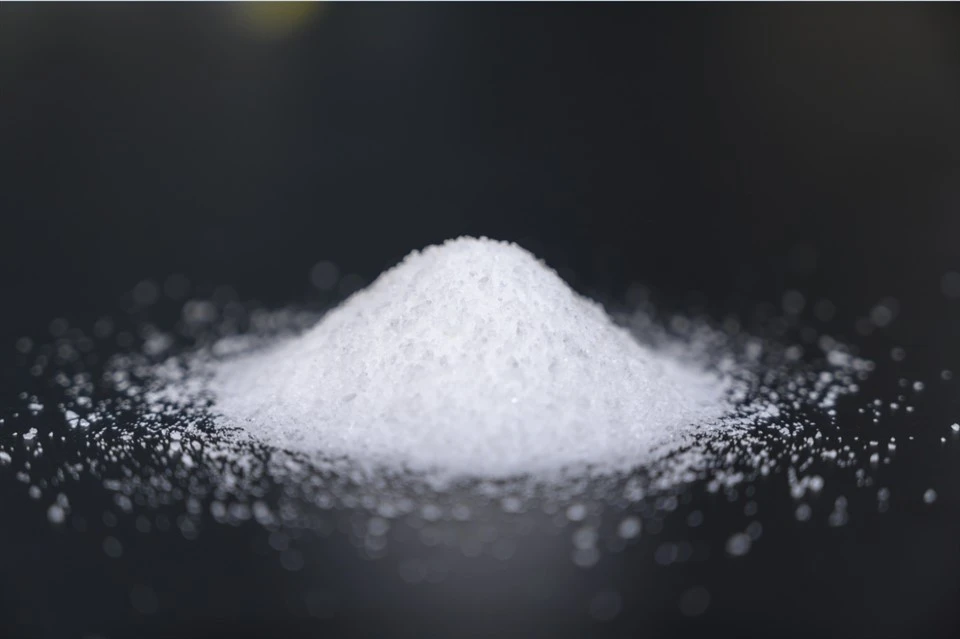

Another type of modified polyacrylamide is the hydrophobic - associated polyacrylamide. This polymer contains hydrophobic groups that can associate with each other in aqueous solutions, forming a three - dimensional network structure. This network structure can significantly increase the viscosity of the solution, even at low polymer concentrations. As a result, the sweep efficiency of the displacing fluid can be greatly improved, leading to enhanced oil displacement.
2. Combination with Surfactants
Combining polyacrylamide with surfactants is another effective method to enhance its oil - displacement ability. Surfactants can reduce the interfacial tension between the oil and the displacing fluid, making it easier for the oil to be displaced from the reservoir rock. When polyacrylamide is used in combination with surfactants, the polymer can increase the viscosity of the displacing fluid, while the surfactant can reduce the interfacial tension. This synergistic effect can significantly improve the oil - displacement efficiency.
There are different types of surfactants that can be used in combination with polyacrylamide, such as anionic surfactants, cationic surfactants, and non - ionic surfactants. The choice of surfactant depends on the properties of the oil reservoir, such as the oil type, salinity, and temperature. For example, anionic surfactants are often used in low - salinity reservoirs, while non - ionic surfactants are more suitable for high - temperature and high - salinity environments.
3. Nanoparticle Addition
The addition of nanoparticles to polyacrylamide solutions has also been investigated as a method to enhance its oil - displacement ability. Nanoparticles can interact with the polyacrylamide molecules and the oil - water interface, leading to improved properties of the displacing fluid. For example, silica nanoparticles can increase the viscosity of the polyacrylamide solution by forming a physical network structure with the polymer molecules. In addition, nanoparticles can also reduce the interfacial tension between the oil and the displacing fluid, similar to surfactants.
The type, size, and concentration of nanoparticles can affect the performance of the polyacrylamide - nanoparticle system. For example, smaller nanoparticles generally have a greater surface area and can interact more effectively with the polymer molecules and the oil - water interface. However, the optimal nanoparticle concentration needs to be determined through laboratory experiments to ensure the best oil - displacement performance.
4. Optimization of Injection Parameters
In addition to modifying the properties of polyacrylamide, optimizing the injection parameters is also crucial for enhancing its oil - displacement ability. The injection rate, injection volume, and injection mode can all affect the performance of the polyacrylamide displacing fluid in the oil reservoir.
The injection rate should be carefully controlled to ensure that the displacing fluid can effectively sweep through the reservoir without causing excessive pressure build - up. A too - high injection rate may lead to channeling, where the displacing fluid bypasses the oil - bearing zones, while a too - low injection rate may result in insufficient displacement.
The injection volume is also an important parameter. It should be sufficient to displace a significant amount of oil from the reservoir, but not too large to cause unnecessary waste of the displacing fluid. The injection mode, such as continuous injection or intermittent injection, can also affect the oil - displacement efficiency. Intermittent injection may allow the displacing fluid to better penetrate into the reservoir pores and channels, leading to improved oil recovery.
Our Products and Their Advantages
As a supplier of Polyacrylamide for Oil Field Displacing Agent, we offer a wide range of high - quality products. Our polyacrylamide products are carefully formulated to meet the diverse needs of different oil reservoirs. We also provide Polyacrylamide for Mineral Separation, Cationic Polyacrylamide, and Polyacrylamide Emulsion, which have their own unique applications and advantages.
Our polyacrylamide products for oil field displacing agents have excellent viscosity - increasing ability, good salt tolerance, and temperature resistance. They can effectively improve the sweep efficiency and oil - displacement ability in various oil reservoirs. We also offer customized solutions based on the specific requirements of our customers, ensuring the best performance of our products in different oil field conditions.
Conclusion
Enhancing the oil - displacement ability of polyacrylamide in oil fields is a complex but important task. Through chemical modification, combination with surfactants, nanoparticle addition, and optimization of injection parameters, the performance of polyacrylamide as an oil - displacing agent can be significantly improved. As a professional supplier, we are committed to providing high - quality polyacrylamide products and technical support to our customers. If you are interested in our products or have any questions about enhancing oil - displacement ability, please feel free to contact us for further discussion and potential procurement opportunities.
References
- Sheng, J. J. (2011). Enhanced oil recovery by polymer flooding. Journal of Petroleum Science and Engineering, 79(3 - 4), 206 - 214.
- Zhang, G., & Seright, R. S. (2016). Polymer flooding for enhanced oil recovery: Recent advances and future prospects. Journal of Petroleum Science and Engineering, 145, 29 - 42.
- Liu, Y., & Bai, B. (2017). Nanoparticle - enhanced polymer flooding for improved oil recovery: A review. Journal of Petroleum Science and Engineering, 154, 423 - 434.


