


Hey there! As a supplier of Polyacrylamide for Oil Field Displacing Agent, I've seen firsthand how this nifty chemical can really shake things up in the oil field. Today, I'm gonna dive into how polyacrylamide affects the emulsification state of oil and water in oil field displacement.
First off, let's talk about what emulsification is. In simple terms, an emulsion is a mixture of two immiscible liquids, like oil and water. In an oil field, oil and water are naturally separated, but during the oil displacement process, we often end up with a situation where they mix to some extent. And that's where polyacrylamide comes in.
Polyacrylamide is a polymer that has some pretty unique properties. It can dissolve in water, and when it does, it forms long chains that can interact with both oil and water molecules. These chains can wrap around oil droplets, preventing them from coalescing and staying separated from the water phase.
One of the key ways polyacrylamide affects emulsification is by changing the surface tension between the oil and water. Surface tension is like a "skin" on the surface of a liquid that makes it resist being broken. When polyacrylamide is added to the oil - water system, it adsorbs onto the surface of the oil droplets. This changes the surface properties of the droplets, reducing the surface tension between the oil and water. As a result, it becomes easier for the oil droplets to disperse in the water, forming a more stable emulsion.
Another important aspect is the viscosity. Polyacrylamide can increase the viscosity of the water phase. When the water phase becomes more viscous, it provides more resistance to the movement of the oil droplets. This helps to keep the oil droplets suspended in the water, preventing them from rising to the top or settling to the bottom. In an oil field displacement scenario, a more viscous fluid can also improve the sweep efficiency, which means it can push more oil out of the reservoir.
Now, let's look at the different types of polyacrylamide. There are mainly anionic, cationic, and non - ionic polyacrylamides. Anionic polyacrylamide, which you can learn more about here, is often used in oil field displacement. It has negatively charged groups on its chains. These negative charges can interact with the positively charged sites on the surface of the rock in the reservoir and also with the oil droplets. This interaction helps to stabilize the emulsion and improve the displacement efficiency.
In some cases, polyacrylamide can also be used in combination with other chemicals to enhance its effect on emulsification. For example, it can be used with surfactants. Surfactants are chemicals that can further reduce the surface tension between oil and water. When polyacrylamide and surfactants work together, they can create an even more stable emulsion, which is great for getting more oil out of the ground.
But it's not all sunshine and rainbows. Sometimes, if the concentration of polyacrylamide is too high, it can cause problems. For instance, it might make the emulsion too stable, which can be a headache when it comes to separating the oil and water later on. So, finding the right dosage is crucial.
Polyacrylamide also has applications beyond oil field displacement. It's used in mineral separation, and you can check out more about Polyacrylamide for Mineral Separation. It can help in separating different minerals from each other by changing the surface properties of the particles. And in municipal sewage treatment, Polyacrylamide for Municipal Sewage is used to coagulate and flocculate the suspended solids, making it easier to remove them from the water.
In the oil field, getting the emulsification state right is super important. A well - controlled emulsion can lead to better oil recovery. It can also reduce the amount of water that is produced along with the oil, which is a big plus since dealing with produced water is a costly and time - consuming process.
As a supplier, I've seen many oil field operators struggling to optimize their oil displacement processes. By using the right type and amount of polyacrylamide, they can achieve better emulsification, which in turn leads to higher oil production.
If you're in the oil field business and looking to improve your oil displacement efficiency, I'd highly recommend considering polyacrylamide. The unique properties of polyacrylamide can really make a difference in how the oil and water interact during the displacement process. Whether you're dealing with a small - scale operation or a large - scale oil field, the right polyacrylamide solution can help you get more oil out of the ground.

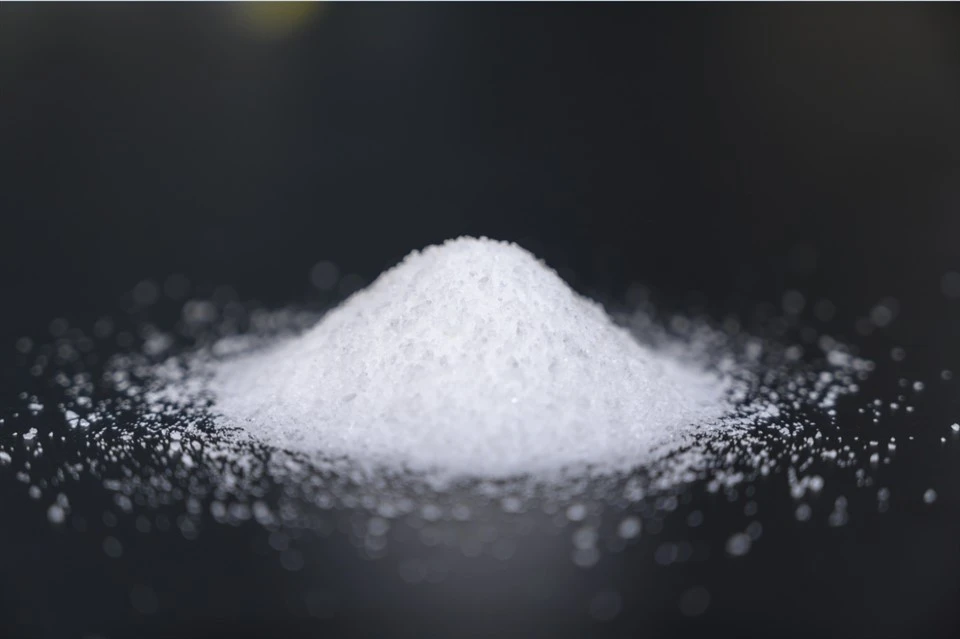
If you're interested in learning more about our Polyacrylamide for Oil Field Displacing Agent or want to discuss your specific needs, don't hesitate to reach out. We can have a chat about the best options for your situation and how polyacrylamide can work for you. Let's work together to optimize your oil field operations and increase your oil production.
References
- "Polymer - enhanced oil recovery" by Lake, L. W.
- "Emulsions: Theory and Practice" by Paul Becher.
- "Surface and Colloid Chemistry in Advanced Applications" by Rajagopalan, R.


