


As a supplier of Acrylamide for Synthetic Polymer, I've witnessed firsthand the remarkable properties these polymers possess. Acrylamide-based synthetic polymers are widely used in various industries, including water treatment, papermaking, oil recovery, and more. However, their development is not without challenges. In this blog, I'll share some insights on how to overcome these challenges.
1. Monomer Purity and Quality
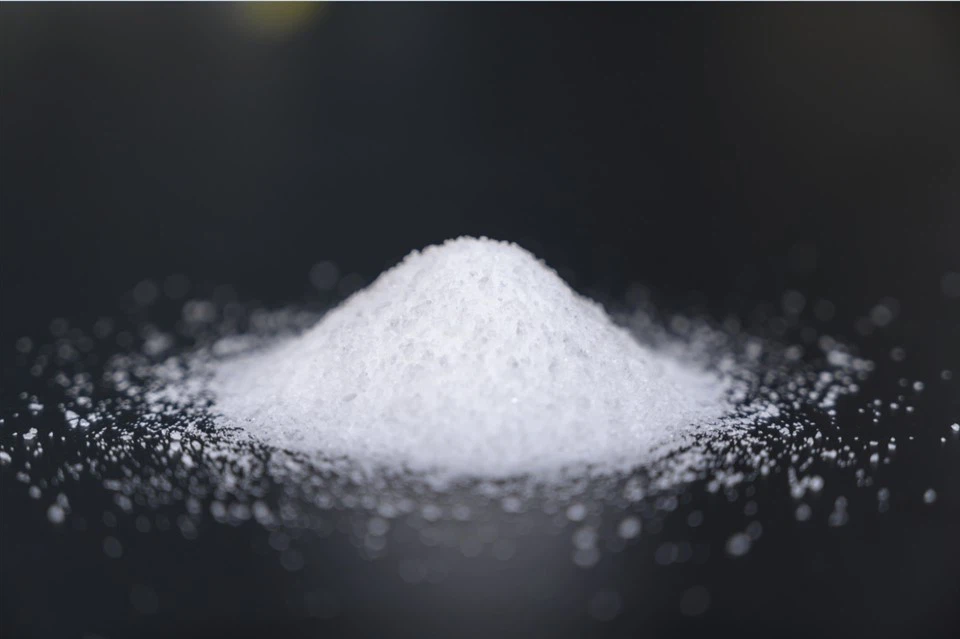
The quality of acrylamide monomer is the foundation for producing high - quality synthetic polymers. Impurities in acrylamide can have a profound impact on the polymerization process and the final properties of the polymer. For instance, metallic impurities can act as catalysts or inhibitors during polymerization, leading to inconsistent reaction rates and molecular weight distributions.
To overcome this challenge, we as a supplier ensure strict quality control of our acrylamide products. Our Acrylamide 98% is produced through advanced purification processes. We use high - precision analytical techniques such as high - performance liquid chromatography (HPLC) and atomic absorption spectroscopy (AAS) to monitor and control the impurity levels. By providing pure acrylamide monomers, we help our customers to achieve more stable polymerization reactions and produce polymers with more predictable properties.
2. Polymerization Kinetics and Reaction Control
Controlling the polymerization kinetics of acrylamide - based polymers is crucial. The rate of polymerization affects the molecular weight, molecular weight distribution, and the structure of the resulting polymer. A too - fast polymerization rate may lead to the formation of cross - linked or branched polymers, which can reduce the solubility and performance of the polymer in some applications. On the other hand, a too - slow polymerization rate can result in low - molecular - weight polymers with poor mechanical properties.
One approach to control the polymerization kinetics is through the selection of appropriate initiators and reaction conditions. For example, redox initiator systems can be used to initiate the polymerization at lower temperatures, which allows for better control of the reaction rate. We also recommend our customers to optimize the reaction temperature, monomer concentration, and initiator concentration based on their specific requirements. Additionally, the use of chain transfer agents can help to regulate the molecular weight of the polymer.
3. Environmental and Safety Concerns
Acrylamide is a known neurotoxin and a potential carcinogen. The production, handling, and use of acrylamide - based synthetic polymers raise significant environmental and safety concerns. During the polymerization process, there is a risk of acrylamide monomer leakage, which can pose a threat to the health of workers and the environment.
To address these concerns, we adhere to strict safety and environmental regulations in our production facilities. We provide our customers with detailed safety data sheets (SDS) for our acrylamide products, which include information on proper handling, storage, and disposal. We also encourage our customers to implement safety protocols in their own production processes, such as using closed - loop systems to minimize monomer exposure. In addition, research is ongoing to develop more environmentally friendly alternatives to acrylamide or to modify the polymerization process to reduce the residual acrylamide content in the final polymer products.
4. Compatibility with Other Materials
In many applications, acrylamide - based synthetic polymers need to be used in combination with other materials. For example, in water treatment, they may be used together with coagulants or other polymers. However, achieving good compatibility between different materials can be challenging. Incompatibility can lead to phase separation, reduced performance, and even the formation of unwanted precipitates.
To overcome this challenge, we work closely with our customers to understand their specific application requirements. We can provide customized acrylamide - based polymers with different chemical structures and properties to improve their compatibility with other materials. For example, by introducing functional groups on the polymer chains, we can enhance the interaction between the acrylamide polymer and other substances. Our Acrylamide for Medicines Pesticides is designed to have good compatibility with various active ingredients in the pharmaceutical and pesticide industries.
5. Cost - effectiveness
Cost is always a significant factor in the development and production of acrylamide - based synthetic polymers. The raw material cost of acrylamide, as well as the cost of the polymerization process, can have a major impact on the final price of the polymer products. In a highly competitive market, it is essential to find ways to reduce costs without sacrificing product quality.
We are constantly looking for ways to optimize our production processes to reduce costs. This includes improving the efficiency of our purification processes, reducing energy consumption during polymerization, and optimizing the use of raw materials. We also offer bulk purchasing options to our customers, which can help them to save on costs. By providing cost - effective acrylamide products, we enable our customers to produce high - quality polymers at a more competitive price.
6. Performance in Harsh Environments
In some applications, acrylamide - based synthetic polymers need to perform in harsh environments, such as high - temperature, high - pressure, or highly acidic/alkaline conditions. Under these conditions, the polymer may degrade, lose its functionality, or undergo chemical reactions that affect its performance.
To improve the performance of our polymers in harsh environments, we conduct extensive research and development. We modify the chemical structure of the polymers to enhance their thermal stability, chemical resistance, and mechanical strength. For example, by cross - linking the polymer chains or introducing heat - resistant groups, we can improve the polymer's performance at high temperatures. Our Acrylamide for Glass Fiber Adhesive is designed to have good adhesion and stability under various environmental conditions.
Conclusion
The development of acrylamide - based synthetic polymers faces several challenges, including monomer purity, polymerization control, environmental and safety concerns, compatibility, cost - effectiveness, and performance in harsh environments. However, through strict quality control, advanced research and development, and close cooperation with our customers, we can overcome these challenges.
If you are interested in our acrylamide products for synthetic polymer applications or have any questions about how to address the challenges in your polymer development, please feel free to contact us. We are committed to providing you with high - quality products and professional technical support to help you achieve your goals in polymer production.
References
- Polymer Science: A Comprehensive Reference, Volume 3: Polymer Synthesis, Edited by Krzysztof Matyjaszewski and Thomas P. Davis.
- Handbook of Water - Soluble Gums and Resins, Edited by Robert L. Davidson.
- Environmental and Health Effects of Acrylamide, World Health Organization.


