


As a supplier of Acrylamide Crystal, I often get asked about the crystal growth conditions for acrylamide. It's a topic that's not only fascinating from a scientific perspective but also crucial for ensuring the quality of the product we supply. So, let's dive right into it and explore what it takes to grow high - quality acrylamide crystals.
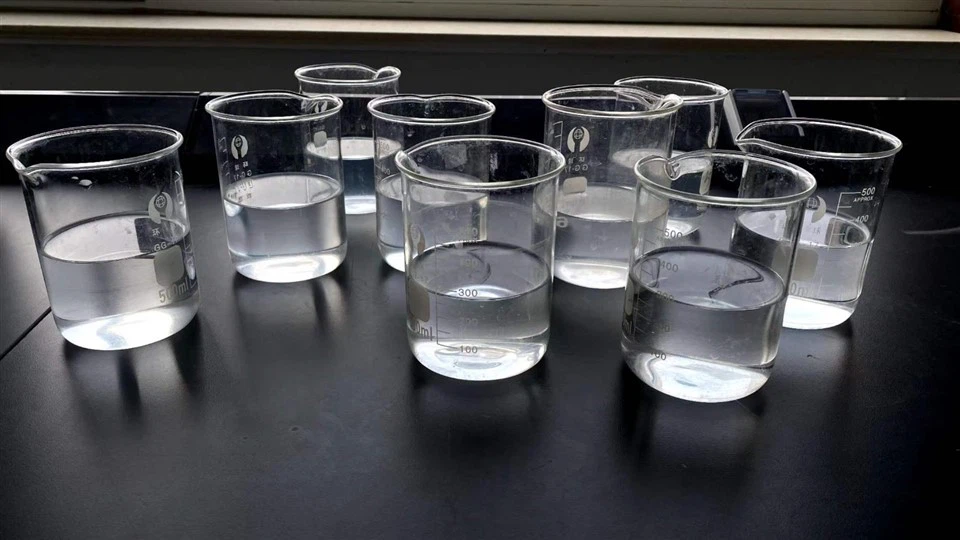

Solvent Selection
The first thing we need to consider is the solvent. Acrylamide is soluble in water, ethanol, and acetone, among other solvents. Water is often the go - to solvent for growing acrylamide crystals because it's readily available, non - toxic, and has good solubility for acrylamide.
When using water as a solvent, the temperature plays a significant role. At room temperature, acrylamide has a certain solubility in water. As we increase the temperature, the solubility of acrylamide in water increases. This means that we can dissolve more acrylamide in hot water than in cold water. For example, if we want to make a saturated solution, we heat the water and keep adding acrylamide until no more can dissolve. This hot, saturated solution is the starting point for crystal growth.
If you're interested in using acrylamide for specific applications like glass fiber adhesive, you can check out Acrylamide for Glass Fiber Adhesive.
Temperature Control
Temperature is a key factor in acrylamide crystal growth. Once we have our hot, saturated solution, we need to cool it down slowly. A rapid cooling will result in the formation of many small crystals or even an amorphous solid. On the other hand, slow cooling allows the acrylamide molecules to arrange themselves in an orderly manner, forming large, well - defined crystals.
We usually start by allowing the hot solution to cool at room temperature for a while. Then, we can transfer it to a refrigerator or a cold bath to continue the cooling process at a slower rate. The ideal cooling rate depends on various factors, such as the concentration of the solution and the size of the container. Generally, a cooling rate of a few degrees Celsius per hour is a good starting point.
Impurities and Seed Crystals
Impurities can have a big impact on crystal growth. Even small amounts of impurities can prevent the acrylamide molecules from arranging properly and lead to the formation of defective crystals. That's why it's important to use high - purity acrylamide, like our Acrylamide 98%.
Seed crystals can be used to initiate and control the crystal growth process. A seed crystal is a small, well - formed crystal that we introduce into the saturated solution. The acrylamide molecules in the solution will start to attach to the seed crystal, causing it to grow larger. We need to be careful when choosing the seed crystal. It should be pure and have the same crystal structure as the acrylamide we want to grow.
Concentration of the Solution
The concentration of the acrylamide solution also matters. A very dilute solution will take a long time to form crystals, and the crystals may be small. On the other hand, a very concentrated solution may lead to the formation of a large number of small crystals or a solid mass. We need to find the right balance.
A saturated solution is usually the best starting point. We can make a saturated solution by adding acrylamide to the solvent until no more can dissolve at a given temperature. Then, as the solution cools, the solubility decreases, and the excess acrylamide will start to crystallize out.
Stirring and Agitation
Stirring or agitation during the crystal growth process can have both positive and negative effects. Gentle stirring can help to distribute the acrylamide molecules evenly in the solution and prevent the formation of large, uneven crystals. However, excessive stirring can break the growing crystals and prevent them from reaching a large size.
In most cases, we recommend minimal stirring during the crystal growth process. Once the crystals start to form, it's best to leave the solution undisturbed as much as possible.
Humidity and Airflow
The environment in which the crystal growth takes place also matters. High humidity can cause the crystals to absorb water and become cloudy or even dissolve. That's why it's important to control the humidity in the growth chamber. A dry environment is usually better for acrylamide crystal growth.
Airflow can also affect the crystal growth. A gentle airflow can help to remove any solvent vapor and prevent the formation of a supersaturated layer on the surface of the solution. However, strong airflow can cause the solution to evaporate too quickly and lead to the formation of small, irregular crystals.
Quality of Acrylamide
As a supplier of Acrylamide Crystal, we understand the importance of providing high - quality acrylamide. The purity of the acrylamide we supply can have a direct impact on the crystal growth process. Higher purity acrylamide will result in better - formed crystals with fewer defects.
We use advanced purification techniques to ensure that our acrylamide meets the highest quality standards. This not only benefits the crystal growth process but also makes our acrylamide suitable for a wide range of applications.
Conclusion
Growing high - quality acrylamide crystals requires careful control of several factors, including solvent selection, temperature, impurities, concentration, stirring, humidity, and airflow. By paying attention to these details, we can produce large, well - defined acrylamide crystals that meet the needs of our customers.
If you're interested in purchasing acrylamide crystals for your specific applications, we'd love to have a chat with you. Whether you're in the research field or an industrial user, we can provide you with the right product and technical support. Just reach out to us, and let's start a discussion about your requirements.
References
- Atkins, P., & de Paula, J. (2006). Physical Chemistry. Oxford University Press.
- Mullin, J. W. (2001). Crystallization. Butterworth - Heinemann.


