


What is the impact of temperature on polyacrylamide in mineral separation?
As a dedicated supplier of Polyacrylamide for Mineral Separation, I've witnessed firsthand the crucial role that polyacrylamide plays in the mineral separation process. One of the most significant factors that can influence its performance is temperature. In this blog, I'll delve into the various ways temperature affects polyacrylamide in mineral separation and why it's essential to understand these dynamics.
Molecular Structure and Temperature
Polyacrylamide is a polymer with a long - chain molecular structure. Temperature has a profound impact on this structure. At lower temperatures, the molecular chains of polyacrylamide are more rigid. The kinetic energy of the molecules is relatively low, which restricts their movement. This can lead to a decrease in the ability of polyacrylamide to interact effectively with the mineral particles.
When polyacrylamide is used in mineral separation, it typically acts as a flocculant. It binds to the mineral particles, causing them to aggregate and settle out of the suspension more easily. However, in cold conditions, the restricted molecular movement may result in fewer active sites on the polyacrylamide chains being available to bind with the minerals. As a result, the flocculation efficiency is reduced, and the settling rate of the mineral particles slows down.

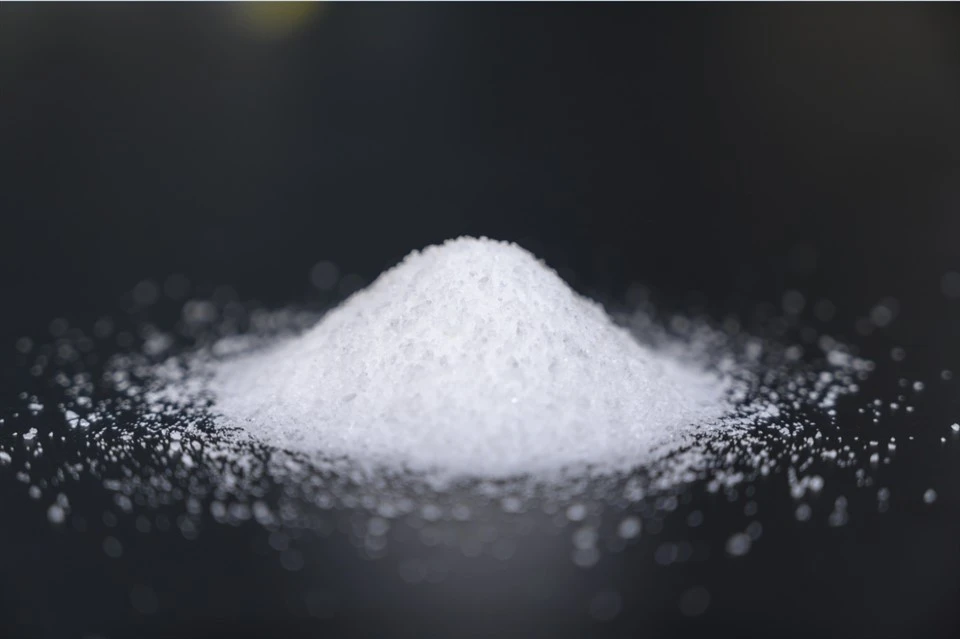
On the other hand, at higher temperatures, the molecular chains of polyacrylamide become more flexible. The increased kinetic energy allows the chains to move more freely and expand. This can enhance the interaction between polyacrylamide and mineral particles, as more active sites are exposed. The flocculation process becomes more efficient, and the settling rate of the minerals can increase significantly.
Viscosity and Temperature
Viscosity is another important property of polyacrylamide solutions that is affected by temperature. In general, the viscosity of a polyacrylamide solution decreases as the temperature rises. At low temperatures, the solution is more viscous because the intermolecular forces between the polyacrylamide chains are stronger. The high viscosity can make it difficult to pump and distribute the polyacrylamide solution evenly in the mineral separation system.
In mineral separation operations, proper distribution of the flocculant is crucial for achieving optimal results. If the polyacrylamide solution is too viscous, it may not reach all the mineral particles effectively, leading to uneven flocculation. As the temperature increases, the reduced viscosity makes the solution easier to handle. It can be pumped more easily through pipelines and sprayed more evenly over the mineral suspension, ensuring better contact between the polyacrylamide and the minerals.
However, extremely high temperatures can cause the polyacrylamide to degrade. When the temperature exceeds a certain threshold, the chemical bonds in the polyacrylamide chains start to break. This degradation can lead to a significant loss of its flocculation properties. The broken chains may no longer be able to form effective flocs with the mineral particles, and the performance of the polyacrylamide in mineral separation is severely compromised.
Solubility and Temperature
The solubility of polyacrylamide in water is also temperature - dependent. At lower temperatures, the solubility of polyacrylamide is relatively low. It may take longer for the polyacrylamide to dissolve completely in water, and in some cases, it may not dissolve fully at all. This can be a major problem in mineral separation, as an undissolved polyacrylamide may not be able to perform its flocculation function effectively.
As the temperature increases, the solubility of polyacrylamide improves. The heat provides the energy needed to break the intermolecular forces holding the polyacrylamide molecules together, allowing them to disperse more readily in the water. A fully dissolved polyacrylamide solution can interact more efficiently with the mineral particles, leading to better flocculation and separation results.
Impact on Different Types of Polyacrylamide
There are different types of polyacrylamide, such as anionic, cationic, and non - ionic polyacrylamide, each with its own set of properties and applications in mineral separation. Temperature can affect these different types in slightly different ways.
Anionic polyacrylamide is commonly used in the separation of minerals such as iron ore and coal. At low temperatures, its flocculation performance may be more severely affected compared to other types. The anionic groups on the polyacrylamide chains may be less reactive in cold conditions, resulting in weaker binding with the mineral particles. In contrast, at moderate to high temperatures, anionic polyacrylamide can show excellent flocculation efficiency, as the increased molecular flexibility enhances the interaction with the negatively charged mineral surfaces.
Cationic polyacrylamide is often used in the treatment of wastewater from mineral separation processes, as well as in the separation of some specific minerals. Temperature can influence its charge density and reactivity. At higher temperatures, the cationic groups may become more active, which can improve the flocculation of positively charged particles. However, like all polyacrylamides, excessive heat can cause degradation of cationic polyacrylamide.
Non - ionic polyacrylamide has a more stable structure compared to anionic and cationic types. It is less sensitive to changes in temperature in terms of its flocculation performance. However, its viscosity and solubility are still affected by temperature, which can impact its handling and effectiveness in mineral separation.
Practical Considerations in Mineral Separation
In real - world mineral separation operations, understanding the impact of temperature on polyacrylamide is crucial for optimizing the process. Operators need to monitor the temperature of the mineral suspension and adjust the dosage and type of polyacrylamide accordingly.
In cold climates or during winter months, it may be necessary to use a higher dosage of polyacrylamide to compensate for the reduced flocculation efficiency at low temperatures. Additionally, pre - heating the polyacrylamide solution or the mineral suspension can help improve the solubility and performance of the polyacrylamide.
In hot regions or during summer months, operators need to be careful not to expose the polyacrylamide to excessive heat. Storage and transportation conditions should be carefully controlled to prevent degradation. Using a more heat - resistant type of polyacrylamide may also be a viable option in high - temperature environments.
As a supplier of Polyacrylamide for Mineral Separation, I offer a range of polyacrylamide products that are designed to perform well under different temperature conditions. Our Polyacrylamide Emulsion is known for its good solubility and flocculation properties, and it can be a suitable choice for various temperature ranges. We also provide Polyacrylamide for Industrial Wastewater Treatment, which can be used in the wastewater treatment stages of mineral separation processes.
If you're involved in mineral separation and are looking for high - quality polyacrylamide products, I encourage you to reach out for a consultation. We can help you select the most appropriate polyacrylamide based on your specific temperature conditions and mineral separation requirements. By understanding the impact of temperature on polyacrylamide and making the right choices, you can improve the efficiency and effectiveness of your mineral separation operations.
References
- Gregory, J. (1997). Coagulation and flocculation: theory and practice. Water Science and Technology, 35(4 - 5), 1 - 17.
- Shang, J., & Liu, J. (2018). Influence of temperature on the flocculation performance of polyacrylamide in kaolin suspension. Journal of Dispersion Science and Technology, 39(9), 1256 - 1263.
- Yariv, S., & Cross, H. (2002). Organic chemistry of soil components. CRC Press.


