


Hey there! As a supplier of Polyacrylamide for Mineral Separation, I'm super stoked to dive into the topic of what polyacrylamide brings to the table when it comes to separating diamond - bearing ores.
First off, let's get a bit of background. Diamond - bearing ores are a real treasure trove, but getting those precious diamonds out is no walk in the park. These ores are a mix of all sorts of stuff, like rocks, minerals, and of course, the diamonds we're after. The key is to find a way to separate the diamonds from the rest of the junk efficiently and effectively. And that's where polyacrylamide steps in.
One of the main functions of polyacrylamide in this process is flocculation. Flocculation is like a magic trick where small particles in a liquid clump together to form larger, heavier particles called flocs. In the case of diamond - bearing ores, the ore is usually crushed and mixed with water to form a slurry. This slurry contains tiny particles of various minerals and the diamonds. Polyacrylamide acts as a flocculant by binding these small particles together.
When polyacrylamide is added to the slurry, its long - chain polymer structure allows it to adsorb onto the surface of the particles. The charged groups on the polyacrylamide molecule cause the particles to attract each other, forming bigger and more easily separable flocs. This is crucial because larger flocs settle faster in a sedimentation tank. In the separation of diamond - bearing ores, faster sedimentation means we can separate the solid particles from the liquid more quickly, speeding up the overall separation process.
Another important function is its role in dewatering. Once the flocs have settled, the next step is to remove as much water as possible from the solid material. Polyacrylamide helps in this process by reducing the water content of the sediment. It does this by changing the structure of the sediment, making it more porous and allowing water to drain out more easily. This is really important because less water in the solid material means less weight to handle and transport, which can save a lot of money in the long run.
Now, let's talk about the different types of polyacrylamide that are used in this process. There are mainly anionic, cationic, and non - ionic polyacrylamides. For diamond - bearing ore separation, anionic polyacrylamide is often the go - to choice. Anionic polyacrylamide has negatively charged groups on its polymer chains. These negatively charged groups are attracted to the positively charged surfaces of the particles in the ore slurry. This strong attraction helps in forming stable flocs. You can learn more about Anionic Polyacrylamide on our website.
The use of polyacrylamide also improves the clarity of the water that is separated from the ore slurry. This is important because the water can often be recycled back into the process. Cleaner water means less wear and tear on the equipment and fewer contaminants in the system. So, polyacrylamide not only helps in separating the diamonds but also in making the whole process more sustainable and cost - effective.
In addition to its flocculation and dewatering functions, polyacrylamide can also enhance the selectivity of the separation process. By adjusting the properties of the polyacrylamide, such as its molecular weight and charge density, we can target specific types of particles in the ore slurry. This means we can be more precise in separating the diamonds from other minerals, improving the overall quality of the diamond concentrate.
When it comes to the application of polyacrylamide in diamond - bearing ore separation, the dosage is a critical factor. Too little polyacrylamide won't form effective flocs, and the separation process will be slow and inefficient. On the other hand, too much polyacrylamide can lead to over - flocculation, where the flocs become too large and can trap some of the diamonds, reducing the recovery rate. So, finding the right dosage is like finding the sweet spot, and it often requires some trial and error based on the specific characteristics of the ore.
Now, I know what you might be thinking. How does polyacrylamide compare to other separation agents? Well, polyacrylamide has several advantages. It's highly effective in forming flocs even at low concentrations, which means you don't need to use a huge amount of it. It's also relatively stable under different pH and temperature conditions, making it suitable for a wide range of ore separation processes. And compared to some traditional separation agents, polyacrylamide is more environmentally friendly.
We also offer Polyacrylamide for Mineral Separation that is specifically formulated for different types of ores, including diamond - bearing ores. Our products are of high quality and have been proven to work well in various mining operations.
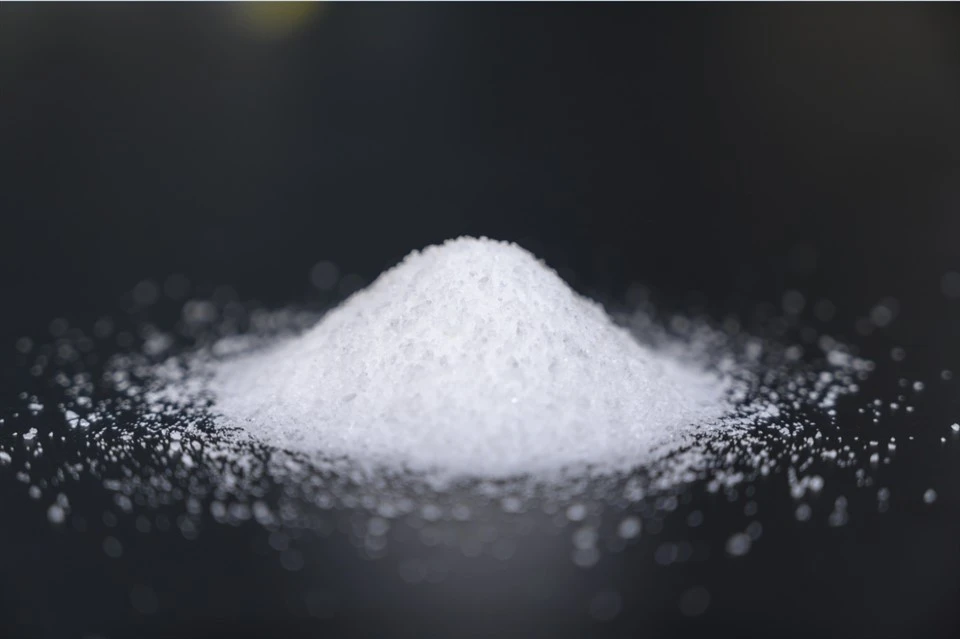

If you're involved in the diamond - mining industry or any other mineral - separation process, you might also be interested in Polyacrylamide for Municipal Sewage. Although it's used for a different purpose, the basic principles of flocculation and separation are similar.
In conclusion, polyacrylamide plays a vital role in the separation of diamond - bearing ores. Its functions of flocculation, dewatering, improving water clarity, and enhancing selectivity make it an indispensable tool in the mining industry. If you're looking for a reliable supplier of polyacrylamide for your mineral - separation needs, look no further. We're here to provide you with the best products and support. If you're interested in discussing your specific requirements or want to start a procurement process, feel free to reach out and let's have a chat.
References
- Smith, J. (2020). Polyacrylamide in Mineral Processing. Mining Journal, 45(2), 78 - 85.
- Johnson, A. (2019). Flocculation Mechanisms in Ore Separation. Chemical Engineering Review, 32(4), 123 - 131.
- Brown, C. (2021). Dewatering Techniques in the Mining Industry. Mining Technology Today, 50(3), 92 - 99.


